Stalin marks Kalaignar's death anniversary with #KalaignarForever
Synopsis
On the eighth anniversary of M. Karunanidhi's death, DMK president M. K. Stalin posted #KalaignarForever on X, continuing the party's annual digital tribute to the five-time Tamil Nadu Chief Minister known as Kalaignar.
Key Takeaways
Stalin marked 7 August 2026 — the eighth death anniversary of his father M.
Karunanidhi — with a tribute post on X.
Karunanidhi, honoured as Kalaignar , served as Tamil Nadu Chief Minister five times and died on 7 August 2018 .
The hashtag #KalaignarForever has been used annually by DMK figures since 2018 to mark the anniversary.
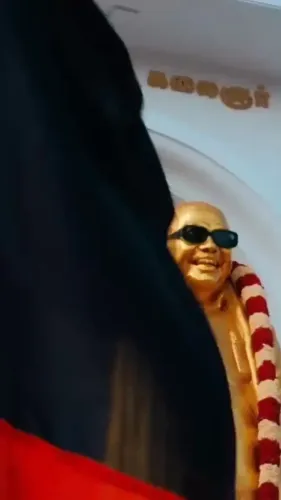
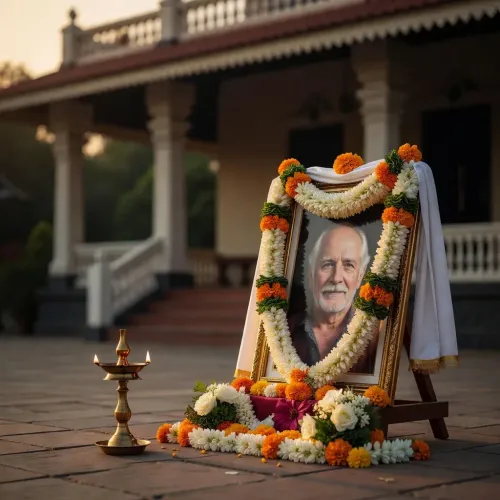
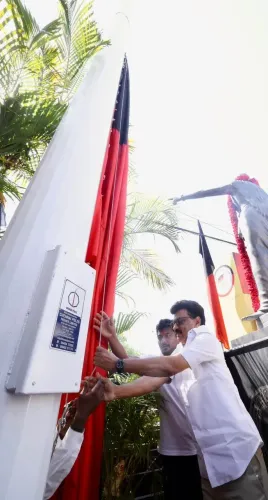
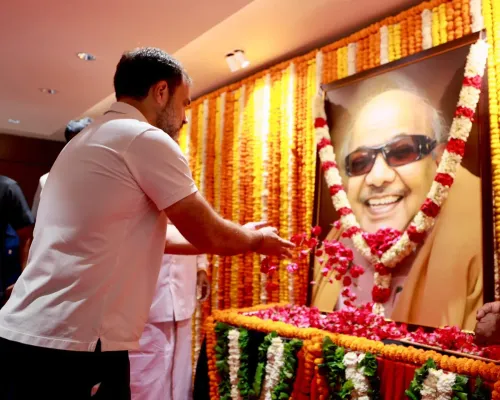
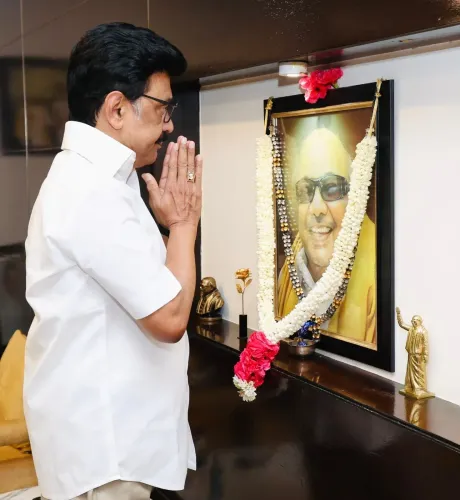
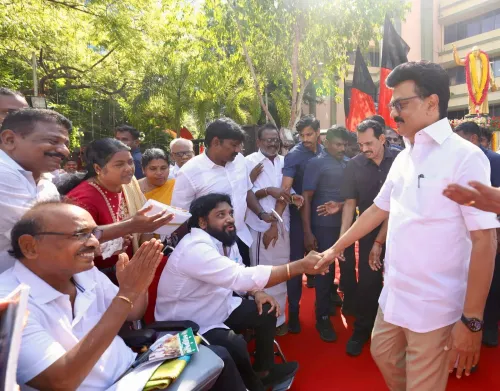
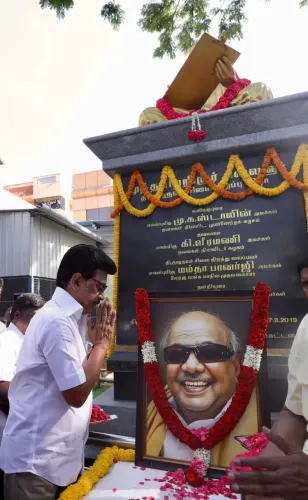
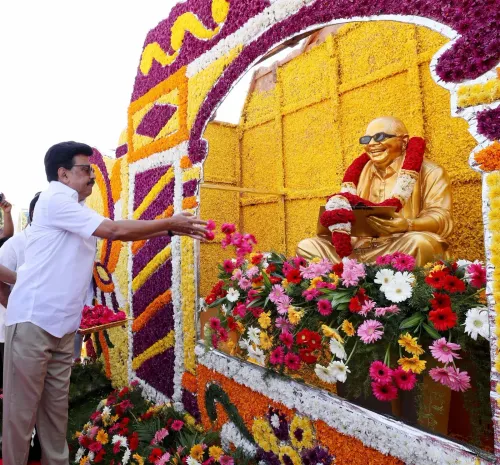
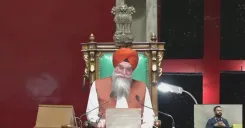
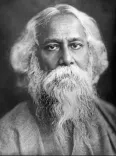
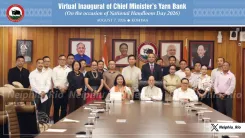
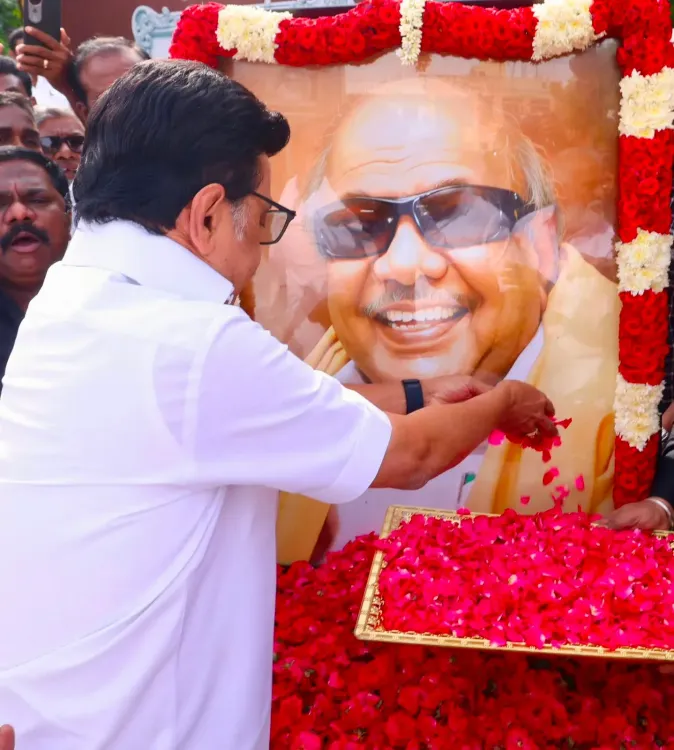
Stalin's post included three images , reflecting the solemnity of the occasion.
The DMK observes August 7 each year with memorials at Karunanidhi's Marina Beach samadhi and party events across Tamil Nadu.
Eight years after M. Karunanidhi — the towering five-time Chief Minister of Tamil Nadu and founding patriarch of the Dravida Munnetra Kazhagam — passed away, his son and DMK president M. K. Stalin kept the flame alive on 7 August 2026 with a simple, resonant tribute: #KalaignarForever.
Karunanidhi, universally addressed by the honorific Kalaignar (meaning 'artist' in Tamil), died on 7 August 2018, leaving behind a legacy that stretched across six decades of Dravidian politics, Tamil literary culture, and social-justice governance. The hashtag #KalaignarForever has since become the DMK's annual digital salute — a marker of continuity as much as grief.
The man behind the honorific
Born in 1924, Karunanidhi rose from a teenage activist in the Dravidian movement to lead the DMK through some of Tamil Nadu's most consequential decades. He served as Chief Minister five times, championing Tamil language rights, social-welfare schemes, and a secular, anti-caste political identity that continues to define the party's DNA. His pen — he was a prolific playwright and screenwriter — was as feared as his political acumen.
A tradition kept every August 7
Since 2018, the DMK has institutionalised August 7 as a day of public remembrance: memorials at Karunanidhi's Marina Beach samadhi, party events across Tamil Nadu, and a unified social-media wave anchored by #KalaignarForever. For Stalin, who inherited both the party presidency and the weight of that legacy, the annual tribute is also a statement of political lineage — a reminder to cadres and voters that the movement Kalaignar built endures.
The three images accompanying Stalin's post underscore that this is not routine ceremony. Each August 7, the DMK uses remembrance to reinforce its ideological continuity — and Stalin, now the undisputed face of Dravidian politics, uses it to anchor his own leadership in the long arc his father drew.
Kalaignar may be gone, but in the DMK's political calendar, he never really leaves the room.
Point of View
The DMK reinforces its ideological continuity at a time when Dravidian politics faces renewed competition from both the AIADMK and national parties. The #KalaignarForever ritual also serves to consolidate Stalin's own authority: each commemoration reminds the cadre that the party's present leadership flows directly from its most iconic past. In a state where political identity is deeply personal, honouring the patriarch is also a way of governing in his name.
NationPress
7 Aug 2026
Frequently Asked Questions
When did Kalaignar M. Karunanidhi die?
M. Karunanidhi, known as Kalaignar, died on 7 August 2018 in Chennai. DMK leaders and cadres have observed his death anniversary every year since.
What does Kalaignar mean?
'Kalaignar' is a Tamil honorific meaning 'artist' or 'one who is accomplished in the arts.' It was conferred on M. Karunanidhi in recognition of his prolific work as a playwright, screenwriter, and poet.
How many times was M. Karunanidhi Chief Minister of Tamil Nadu?
M. Karunanidhi served as Chief Minister of Tamil Nadu five times, making him one of the longest-serving and most influential regional leaders in Indian political history.
What is #KalaignarForever?
#KalaignarForever is a hashtag used by DMK leaders and supporters every year on 7 August to commemorate M. Karunanidhi's death anniversary and celebrate his contributions to Tamil culture and Dravidian politics.
Who is MK Stalin in relation to Kalaignar?
M. K. Stalin is the son of M. Karunanidhi. He is the current president of the DMK and was serving as Chief Minister of Tamil Nadu. He succeeded his father as the party's leader after Karunanidhi's death in 2018.