Arunachal CMO Salutes State's Weavers on National Handloom Day
Synopsis
On National Handloom Day 2026, the Chief Minister's Office of Arunachal Pradesh celebrated the state's tribal weaving heritage, honouring weavers whose craft preserves cultural identity and supports sustainable rural livelihoods across the northeastern state.
Key Takeaways
National Handloom Day is observed on 7 August every year, instituted by the Government of India in 2015 to mark the Swadeshi Movement anniversary.
The Chief Minister's Office of Arunachal Pradesh used the occasion to honour the state's tribal weavers and their role in cultural preservation.
Arunachal Pradesh is home to more than two dozen major tribes , each with distinct traditional weaving practices.
The CMO's statement explicitly frames handloom craft as a driver of sustainable livelihoods , not just cultural heritage.
Northeastern states consistently feature at the centre of India's national handloom narrative due to their community-driven, non-industrialised weaving traditions.
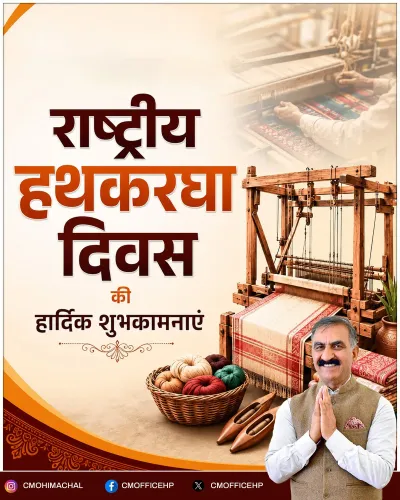
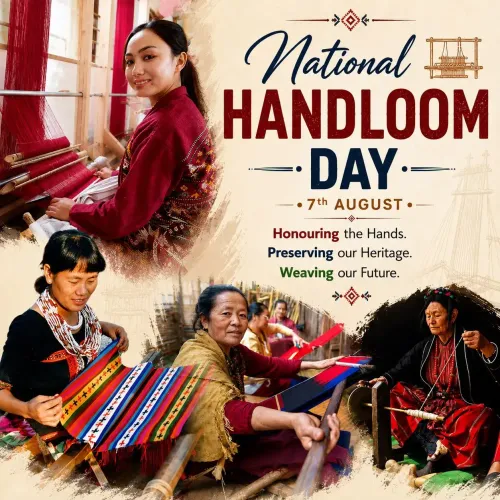
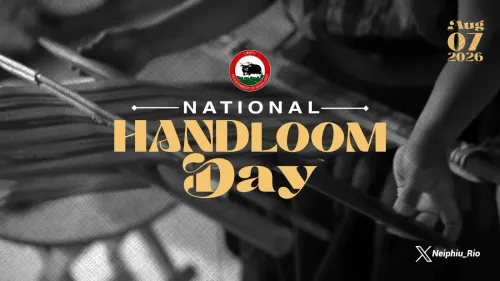
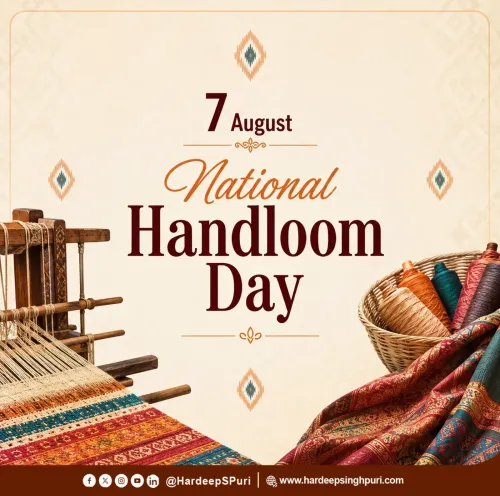
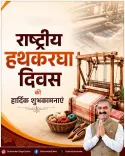
Every thread tells a story. On National Handloom Day, 7 August 2026, the Chief Minister's Office of Arunachal Pradesh paid tribute to the state's handloom weavers, calling their craft a living thread connecting tribal identity to sustainable livelihoods.
The post declared: 'We celebrate the rich handloom heritage of Arunachal Pradesh and honour the dedication of our weavers whose craftsmanship continues to preserve the State's cultural identity while promoting sustainable livelihoods.'
A day rooted in Swadeshi, now a platform for tribal artisans
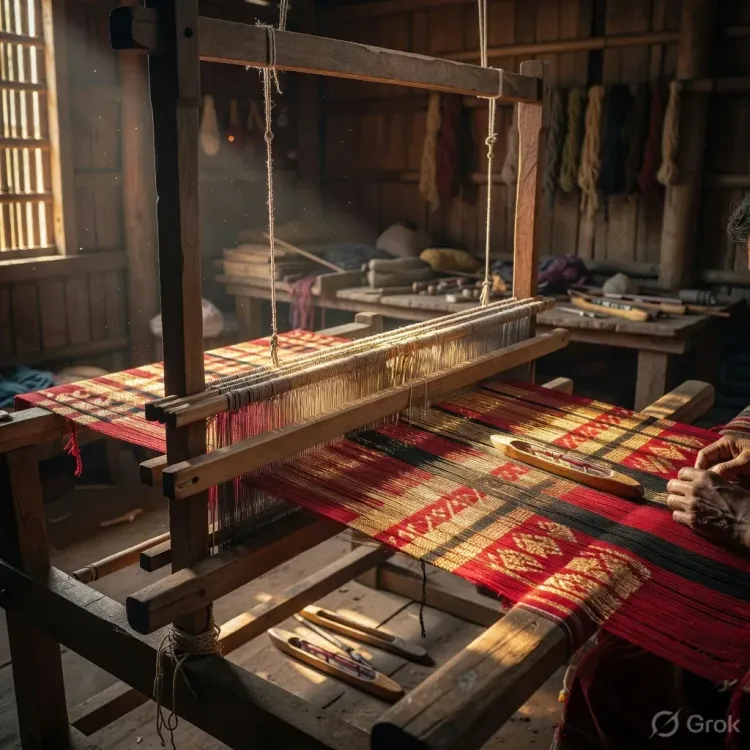
National Handloom Day was instituted by the Government of India in 2015, chosen to mark the anniversary of the Swadeshi Movement of 1905. What began as a political statement against colonial cloth has evolved into an annual platform to spotlight India's handloom economy — and the northeastern states sit at its cultural heart. Arunachal Pradesh is home to more than two dozen major tribes, each carrying distinct weaving traditions passed across generations. The motifs, colours, and techniques woven into Arunachali textiles are not decorative choices — they are identity markers, encoding clan histories, ceremonial roles, and ecological knowledge that no factory loom can replicate.Why the Northeast leads India's handloom narrative
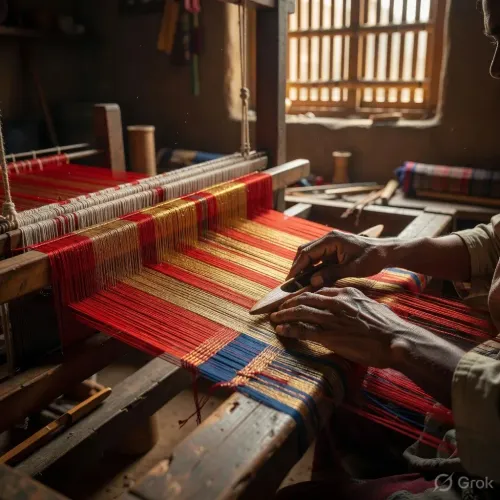
Northeastern states consistently anchor the national conversation on handloom heritage because their tribal weaving practices remain largely community-driven and non-industrialised. For Arunachal Pradesh in particular, where geographic remoteness has both isolated and protected these traditions, the loom is also an economic lifeline — connecting rural artisans, especially women, to markets far beyond their villages. The CMO's message explicitly links craftsmanship to 'sustainable livelihoods', signalling that the state frames handloom not merely as culture-preservation but as an economic-development tool. That framing matters: it positions weavers as entrepreneurs, not just custodians. The question going forward is whether the messaging translates into concrete support — handloom clusters, marketing infrastructure, or skill-linkage programmes that can carry Arunachali textiles from village looms to national and global buyers.Point of View
The messaging strategically positions handloom as both a soft-power asset and a development priority — a dual framing that can unlock both culture-ministry and livelihood-ministry support. The real test will come in subsequent budget cycles and scheme announcements: whether this celebratory rhetoric is backed by handloom cluster investments or artisan-market linkages. For now, the post is a signal of intent, consistent with how northeastern states have increasingly used Union government observances to amplify their distinct heritage on a national stage.
NationPress
7 Aug 2026
Frequently Asked Questions
When is National Handloom Day observed in India?
National Handloom Day is observed on 7 August every year. It was instituted by the Government of India in 2015 to commemorate the anniversary of the Swadeshi Movement of 1905 and to honour the contribution of handloom weavers to India's cultural and economic fabric.
Why is Arunachal Pradesh significant for handloom and weaving?
Arunachal Pradesh is home to more than two dozen major tribes, each with distinct traditional weaving practices. The textiles produced encode clan histories, ceremonial roles, and cultural knowledge, making the state a key part of India's tribal handloom heritage.
What did the Arunachal Pradesh CMO say on National Handloom Day 2026?
The Chief Minister's Office of Arunachal Pradesh posted on 7 August 2026 celebrating the state's 'rich handloom heritage' and honouring weavers whose craftsmanship 'continues to preserve the State's cultural identity while promoting sustainable livelihoods.'
How does handloom weaving support livelihoods in Arunachal Pradesh?
Handloom weaving in Arunachal Pradesh serves as an economic lifeline for rural communities, particularly women artisans. The craft connects village-level producers to broader markets, making it both a cultural preservation tool and a source of sustainable income.
Why was National Handloom Day started in India?
National Handloom Day was started by the Government of India in 2015 to mark the anniversary of the Swadeshi Movement of 1905 and to recognise the social, cultural, and economic contribution of handloom weavers across the country.