CM Sukhu: 2023 Monsoon Disaster Was HP's Deepest Wound
Synopsis
Himachal Pradesh CM Sukhvinder Singh Sukhu has called the July–August monsoon disaster the worst challenge of his tenure — nearly 700 dead, 23,000 homes damaged — and says his government responded with India's largest-ever state disaster relief package of up to Rs 7.5 lakh per affected family.
Key Takeaways
CM Sukhu described the July–August monsoon disaster as the biggest challenge of his tenure and the deepest wound in Himachal Pradesh's history.
The disaster claimed nearly 700 lives and left 23,000 homes fully or partially destroyed.
Tourists were stranded across multiple districts including Kullu ; the government conducted immediate evacuation operations.
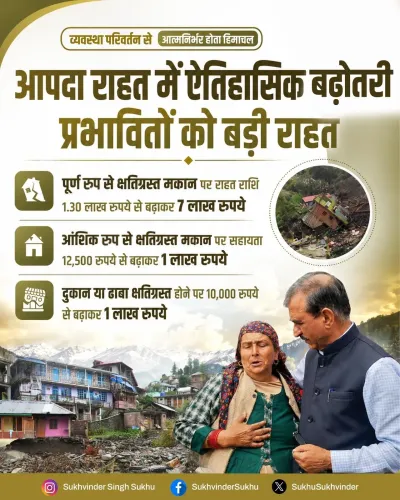
The state launched rehabilitation at 'war footing' and provided up to Rs 7.5 lakh in relief per affected family.
Sukhu claimed this is the largest disaster relief package ever offered by any Indian state government.
When the monsoon turned catastrophic, Himachal Pradesh Chief Minister Sukhvinder Singh Sukhu did not look away — and on Friday, 7 August 2026, he laid out exactly what that disaster cost and what his government did about it. The numbers are staggering: nearly 700 lives lost, 23,000 homes destroyed or damaged, and tourists stranded across valleys including Kullu — all in a single season's fury.
The July–August Disaster That Rewrote Himachal's History
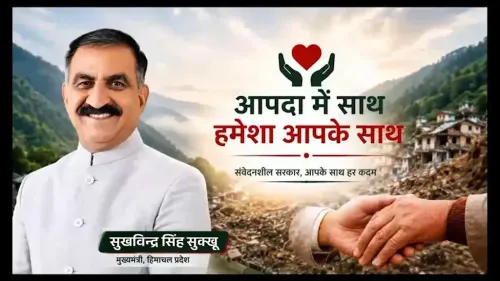
In a reflective post on X, CM Sukhu described the July–August monsoon disaster as the gravest challenge of his tenure and the deepest wound in Himachal Pradesh's recorded history. 'राजनीति में अनेक तरह की चुनौतियाँ आती हैं, पर उनका सामना करना आना चाहिए' ('Politics brings many kinds of challenges, but one must know how to face them'), he wrote — then pivoted immediately to the human toll.
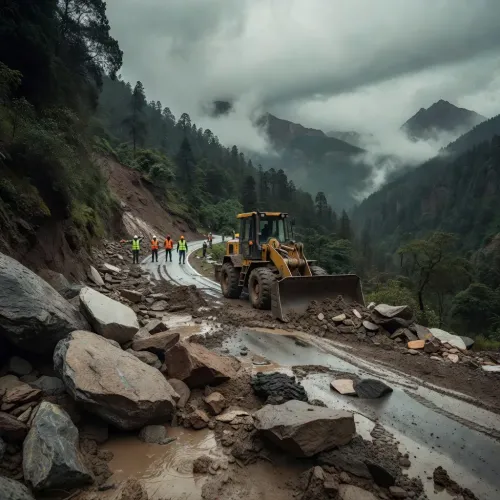
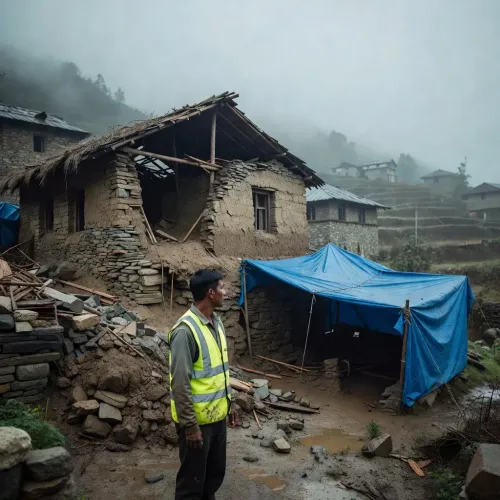
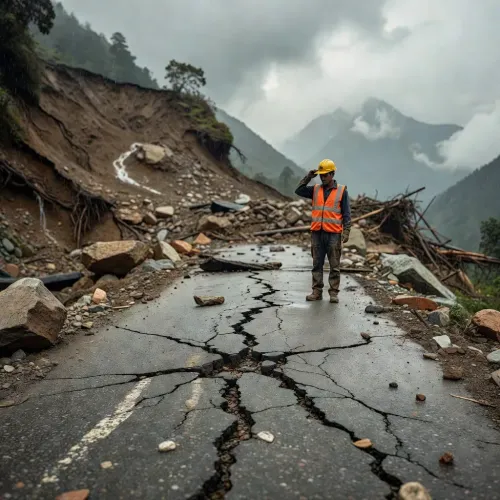
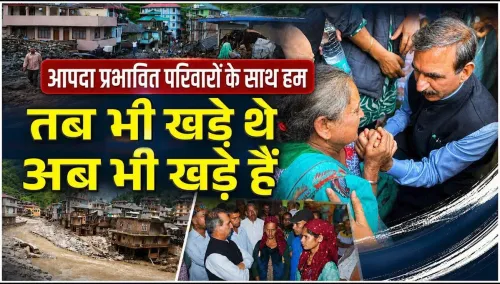
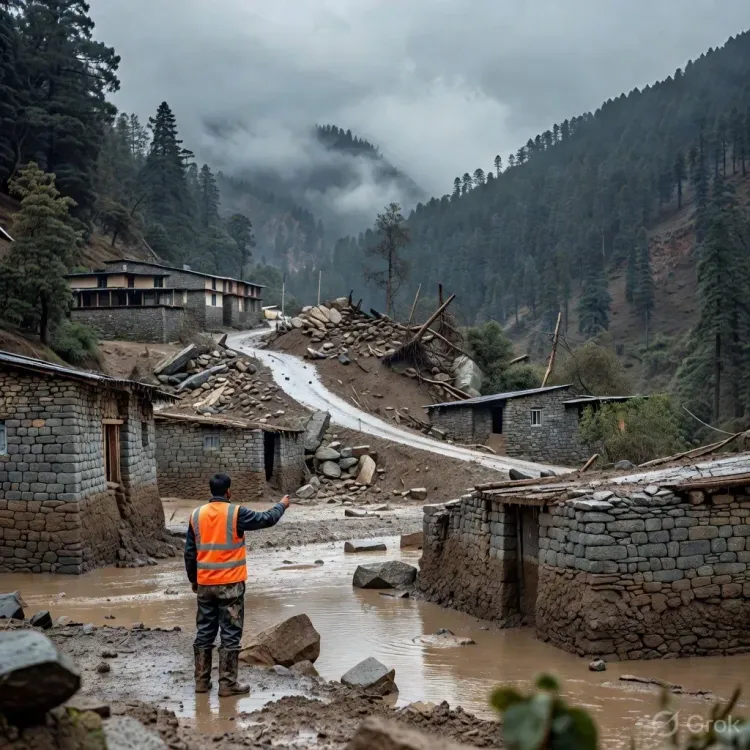
The scale was brutal. Floodwaters and landslides erased homes overnight. Families were left without a glass of drinking water. Children's schoolbooks were swept away. Tourists were cut off in hill districts as roads vanished beneath debris.
Rescue First, Then Rebuild
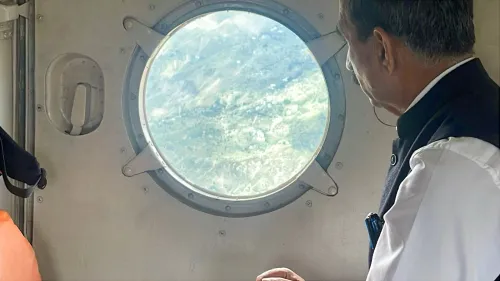
Sukhu said his administration launched immediate relief and rescue operations, safely evacuating stranded tourists from Kullu and other affected zones. Rehabilitation of displaced families was then taken up, in his words, 'at a war footing' — a phrase that signals the pace and priority his government assigned to the crisis.
Under the Disaster Management Act, 2005, states are empowered to conduct rescue, relief, and rehabilitation operations, with financial assistance drawn from State and National Disaster Response Funds. Himachal Pradesh invoked this framework as floodwaters receded.
Rs 7.5 Lakh Per Family — A Relief Package CM Calls a National First
The headline claim from Sukhu's post: the state provided relief of up to Rs 7.5 lakh per affected family — which he described as the largest disaster relief package ever offered by any state government in India. Families who lost everything overnight — shelter, water, their children's books — were to be brought back on their feet through this assistance.
Himalayan states face recurrent monsoon catastrophes, and ex-gratia payments and rehabilitation packages have long been standard government responses. What Sukhu is asserting is that this time, Himachal Pradesh set a new benchmark for scale and ambition in that response.
The scars of a disaster this size take years to heal — but a government that measures its response in rupees per family, not just rescue operations, is making a deliberate political and moral argument about what the state owes its people when the mountains turn against them.
Point of View
He is staking out a welfare-state identity for the Congress government in Shimla, distinguishing it from predecessors and from rival BJP-run states. The timing, years into his tenure, suggests this is as much about consolidating a governance narrative ahead of future electoral cycles as it is about the disaster itself. Whether the relief reached all 23,000 damaged households at the claimed scale will be the real test of that narrative.
NationPress
7 Aug 2026
Frequently Asked Questions
How many people died in the Himachal Pradesh monsoon disaster CM Sukhu mentioned?
CM Sukhu stated that nearly 700 people lost their lives in the July–August monsoon disaster in Himachal Pradesh, which he called the worst in the state's history.
How much relief did the Himachal Pradesh government give to flood-affected families?
The Himachal Pradesh government provided up to Rs 7.5 lakh per affected family, which CM Sukhu described as the largest disaster relief package ever given by any state government in India.
How many homes were damaged in the Himachal Pradesh floods?
According to CM Sukhu, 23,000 homes were fully or partially damaged during the July–August monsoon disaster in Himachal Pradesh.
Were tourists rescued during the Himachal Pradesh flood disaster?
Yes. CM Sukhu said the state government launched immediate relief and rescue operations and safely evacuated tourists who were stranded in Kullu and other affected areas.
What law governs disaster relief operations in Himachal Pradesh?
Disaster relief and rehabilitation in Himachal Pradesh, as in all Indian states, is conducted under the framework of the Disaster Management Act, 2005 , which established national and state-level disaster response mechanisms.