Anurag Thakur Marks National Handloom Day, Invokes Swadeshi Spirit
Synopsis
BJP MP Anurag Thakur joined five fellow parliamentarians on National Handloom Day, 7 August 2026, linking the occasion to the 1905 Swadeshi movement and framing the Modi government's handloom promotion as a continuation of that legacy of self-reliance.
Key Takeaways
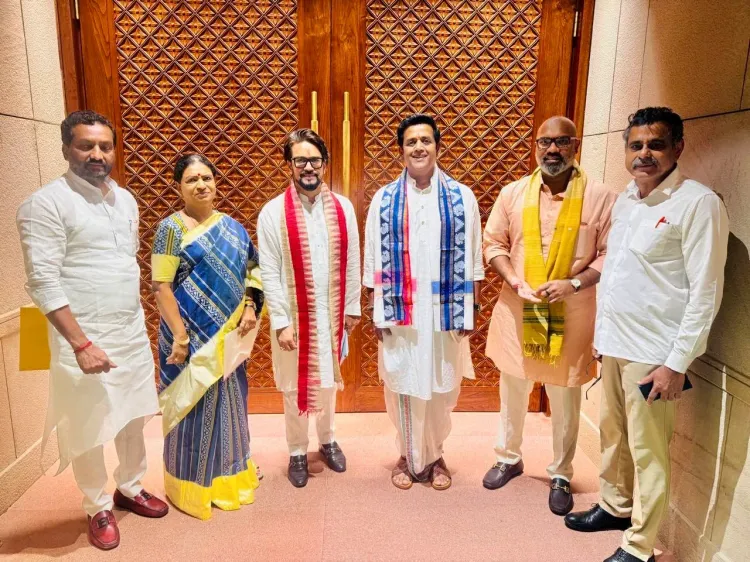
Anurag Thakur marked National Handloom Day on 7 August 2026 with a parliamentary photo moment.
He was joined by MPs Arvind Dharmapuri, Ravi Kishan, Raghunandan Rao, Aruna D.K., and K.
National Handloom Day has been observed annually on 7 August since 2015 , commemorating the Swadeshi movement launched on that date in 1905 .
Thakur credited the Narendra Modi government with carrying forward the Swadeshi spirit through handloom promotion and self-reliance initiatives.
The handloom sector is one of India's largest employers outside agriculture, sustaining millions of weavers nationwide.
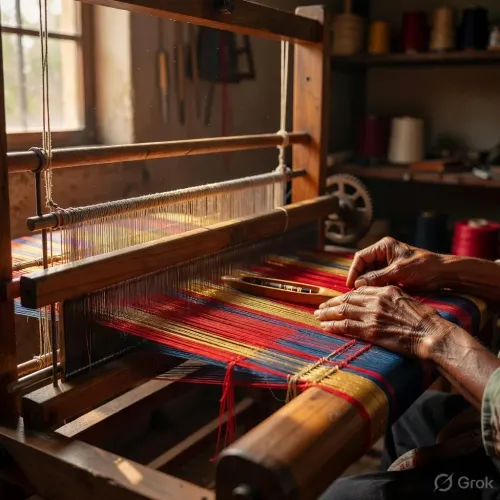
On the anniversary of one of India's most consequential acts of civil defiance, BJP MP Anurag Thakur joined fellow parliamentarians on 7 August 2026 to celebrate National Handloom Day — framing the loom not merely as a tool of trade, but as a symbol of national self-respect.
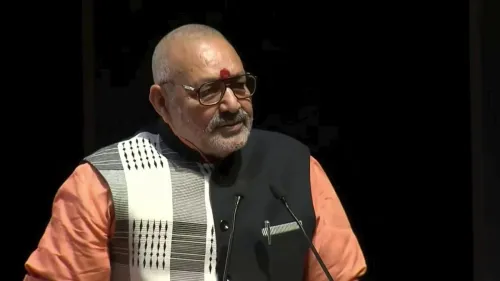
Thakur shared a photograph with MPs Arvind Dharmapuri, Ravi Kishan, Raghunandan Rao, Aruna D.K., and K. Vishnu Reddy, marking the occasion with a message that wove together heritage and contemporary policy. 'Handloom is not just a fabric, but it is a faith in our self-respect; it is not just a dress, but our demeanour,' he wrote, adding that the Narendra Modi government is 'truly carrying forward the spirit of the Swadeshi movement in every sphere of our national life.'
The 1905 Moment That Made 7 August Permanent
The date is no accident. 7 August 1905 marks the launch of the Swadeshi movement at Calcutta's Town Hall, when leaders called for a boycott of British goods and a turn toward indigenous production in protest against the Partition of Bengal. The movement galvanised a generation and embedded the idea of self-reliance deep into the Indian national imagination.
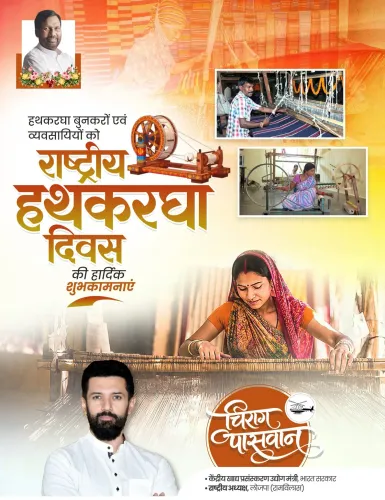
National Handloom Day has been observed every year on this date since 2015, when the central government formally instituted it to honour that legacy and draw attention to the sector's role in rural employment and cultural preservation. The handloom industry remains one of India's largest employers outside agriculture, sustaining millions of weavers across states.
Swadeshi Then, Self-Reliance Now
Successive governments have drawn a direct line between the Swadeshi movement and contemporary calls for indigenous production. The present administration has embedded handloom promotion within a wider Atmanirbhar Bharat (self-reliant India) framework, positioning traditional weaves as both cultural heritage and economic backbone.
Thakur's post reflects that broader messaging — the loom as a political and civilisational statement, not just a livelihood. By gathering cross-regional MPs for the photo moment, the gesture also signals a pan-India parliamentary solidarity around the sector, cutting across the constituencies these representatives hold.
On a day that connects a 121-year-old act of defiance to the present, the handloom remains India's most quietly powerful thread — one that ties history, identity, and a weaver's daily wage into a single cloth.
Point of View
Drawing a direct legitimacy line from the anti-colonial struggle to the current administration's Atmanirbhar Bharat agenda. Whether that framing translates into measurable policy gains for weavers — in wages, market access, or scheme outreach — is the question that will define how much substance lies beneath the symbolism.
NationPress
22 Sept 2026
Frequently Asked Questions
Why is National Handloom Day celebrated on 7 August?
7 August marks the launch of the Swadeshi movement in 1905 , when Indian leaders called for a boycott of British goods and promotion of indigenous products during protests against the Partition of Bengal. The central government instituted National Handloom Day on this date in 2015 to honour that legacy.
When did National Handloom Day start in India?
National Handloom Day was first observed on 7 August 2015 , instituted by the central government to commemorate the Swadeshi movement anniversary and highlight the handloom sector's role in employment and cultural preservation.
What did Anurag Thakur say on National Handloom Day 2026?
Anurag Thakur wrote that 'handloom is not just a fabric, but it is a faith in our self-respect,' and credited the Narendra Modi government with carrying forward the spirit of the Swadeshi movement through its promotion of indigenous weaving and self-reliance.
What is the Swadeshi movement and why does it matter to handloom?
The Swadeshi movement , launched on 7 August 1905 , called on Indians to use domestically made goods and boycott British imports. Handloom weaving was central to that vision of economic self-sufficiency, which is why the sector's national day is tied to the movement's anniversary.
Which MPs joined Anurag Thakur on National Handloom Day 2026?
Thakur was joined by MPs Arvind Dharmapuri, Ravi Kishan, Raghunandan Rao, Aruna D.K., and K. Vishnu Reddy for a parliamentary photo moment marking the occasion.