CM Rio Launches Yarn Bank to Back Nagaland's Weavers
Synopsis
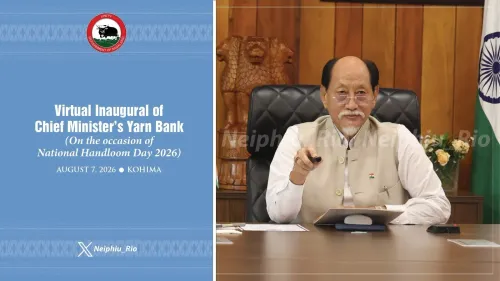
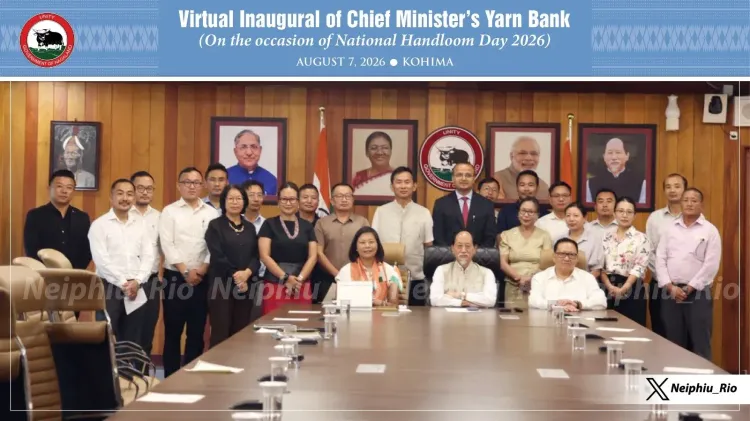
Nagaland Chief Minister Neiphiu Rio inaugurated the CM's Yarn Bank on August 7, 2026, pledging state support for handloom weavers whose craft anchors both the cultural identity and household economies of the northeastern state.
Key Takeaways
CM Neiphiu Rio inaugurated the CM's Yarn Bank on August 7, 2026 in Nagaland.
The scheme aims to supply yarn directly to handloom artisans, reducing dependence on distant external markets.
Rio described weavers' labour as 'invaluable' and their skills as 'irreplaceable' at the launch.
Nagaland's handloom tradition carries deep tribal cultural significance alongside its role as a household livelihood source.
The initiative mirrors similar state-level raw-material interventions across Northeast India and may link with central Ministry of Textiles cluster programmes.
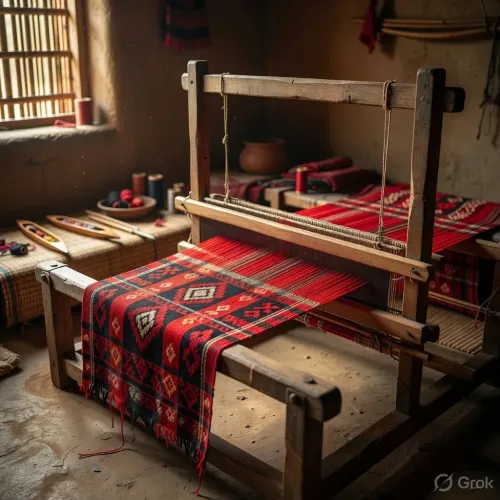
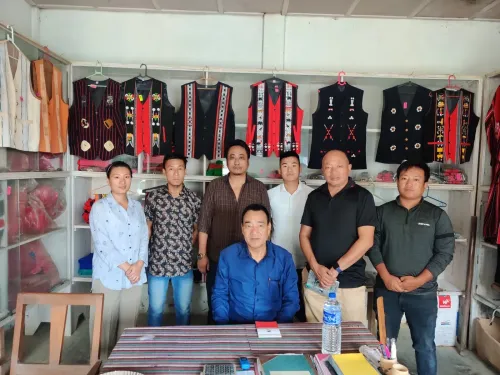
A loom is more than wood and thread in Nagaland — it is memory, identity, and livelihood woven into a single frame. On Friday, August 7, 2026, Nagaland Chief Minister Neiphiu Rio inaugurated the CM's Yarn Bank, a state initiative designed to supply raw materials directly to the state's handloom artisans and reduce their dependence on external markets.
Speaking at the inauguration, CM Rio framed the scheme in terms that went well beyond logistics: 'As we inaugurate the CM's Yarn Bank today, let it serve as a lasting symbol of our recognition that the labour of our weavers is invaluable, their skills are irreplaceable, and their contribution to Nagaland's cultural and economic life is beyond measure.'
Yarn as lifeline: what the bank addresses
For generations, Naga weavers — the majority of them women working within household economies — have faced a persistent bottleneck: reliable access to quality yarn at affordable prices. Without a steady local supply chain, artisans have often been forced to source raw material from distant markets, absorbing transport costs that erode already thin margins. A state-run yarn bank, by pooling procurement and distributing to registered weavers, directly attacks that vulnerability. Nagaland's handloom tradition is not merely economic — each tribal community carries distinct textile patterns that function as visual records of identity, ceremony, and clan lineage. Any intervention that keeps weavers active on the loom is, simultaneously, a cultural preservation measure.Northeast's pattern of handloom support
The CM's Yarn Bank fits into a broader pattern of state-level handloom interventions across Northeast India, where governments have periodically stepped in to stabilise raw-material supply for artisans and insulate them from market volatility. These state schemes often run alongside central Ministry of Textiles programmes for handloom clusters, and the critical question going forward is how effectively the two tiers coordinate — and whether the bank's distribution mechanisms translate into measurable gains in weaver earnings and production volumes. For CM Rio, whose Nationalist Democratic Progressive Party government has governed across multiple terms, the inauguration signals a continued emphasis on rural welfare and indigenous cultural economy as twin pillars of state policy. The loom has waited long enough for the state to stand behind it — the yarn bank is that commitment, made tangible.Point of View
Rio's government is effectively subsidising the survival of an artisan class that market forces alone have failed to sustain. For the NDPP, this also carries political logic: weaving communities are dispersed across rural Nagaland, and visible welfare delivery ahead of any electoral cycle consolidates grassroots support. The deeper test will be whether the bank's distribution architecture is robust enough to reach the most remote weavers, or whether it becomes another scheme that benefits those already closest to administrative centres.
NationPress
7 Aug 2026
Frequently Asked Questions
What is the CM's Yarn Bank in Nagaland?
The CM's Yarn Bank is a state government initiative inaugurated by Chief Minister Neiphiu Rio on August 7, 2026, to supply raw yarn directly to Nagaland's handloom weavers, helping them reduce dependence on distant markets and lower production costs.
Why is handloom weaving important in Nagaland?
Handloom weaving is central to Naga cultural identity, with each tribal community maintaining distinct textile patterns that record clan heritage and ceremony. It also forms a significant part of household incomes, especially for rural women artisans.
Who benefits from the Nagaland Yarn Bank scheme?
The primary beneficiaries are Nagaland's handloom artisans and weavers, particularly those in rural areas who have historically struggled with reliable and affordable access to quality yarn.
How does the Nagaland Yarn Bank fit into broader Northeast India handloom policy?
It follows a pattern of state-level interventions across Northeast India aimed at stabilising raw-material supply for artisans. Such schemes often complement central Ministry of Textiles programmes supporting handloom clusters in the region.
What did CM Neiphiu Rio say at the Yarn Bank inauguration?
CM Rio said the bank should 'serve as a lasting symbol of our recognition that the labour of our weavers is invaluable, their skills are irreplaceable, and their contribution to Nagaland's cultural and economic life is beyond measure.'