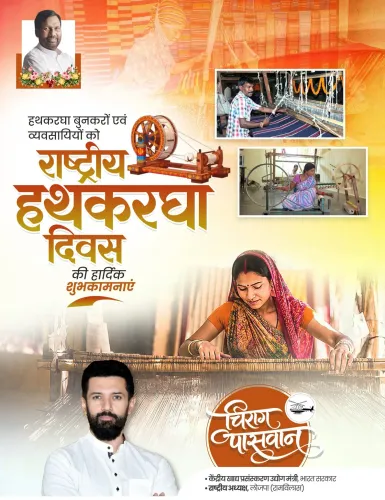
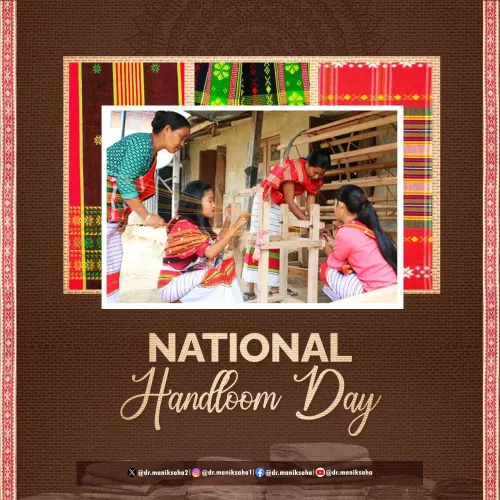
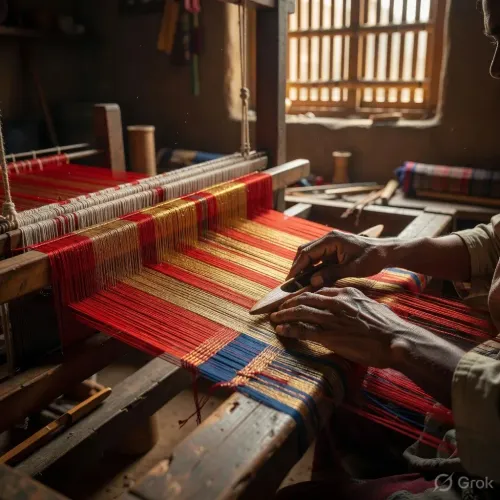
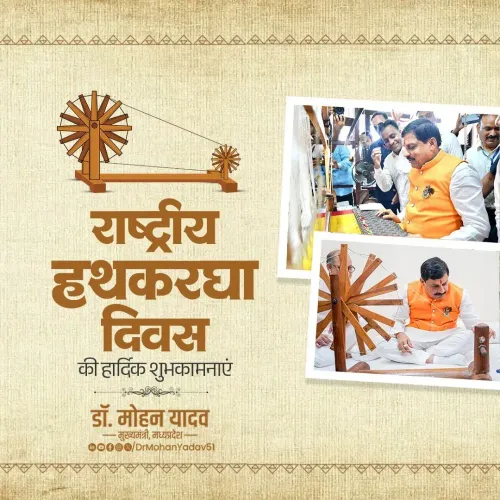
CM Majhi honours Odisha's weavers on National Handloom Day
Synopsis
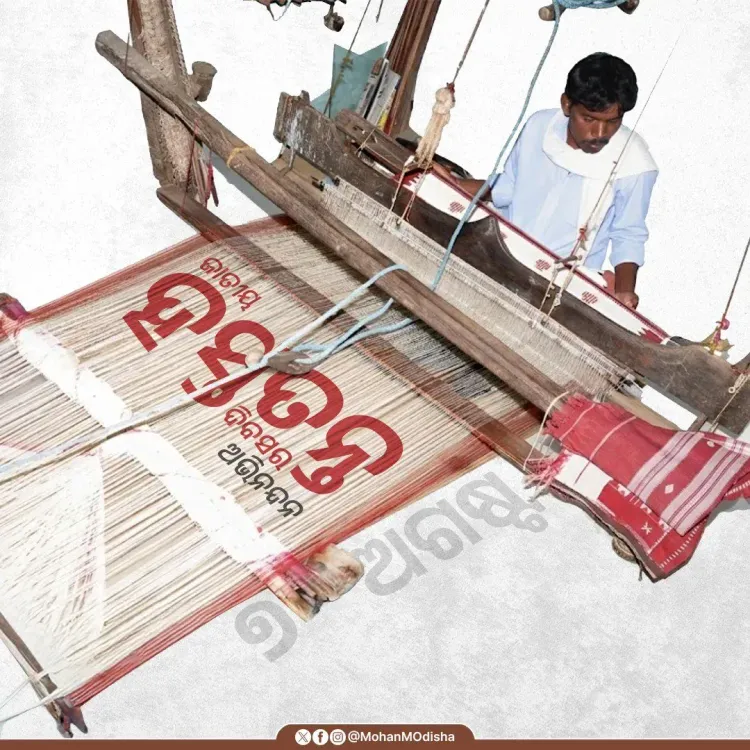
On National Handloom Day, 7 August, Odisha Chief Minister Mohan Charan Majhi honoured the state's weaver community, calling handloom the 'unique heartbeat' of Odia identity and urging citizens to embrace traditional textiles as a symbol of pride and a step toward a prosperous Odisha.
Key Takeaways
Odisha Chief Minister Mohan Charan Majhi posted a tribute to handloom weavers on National Handloom Day, 7 August .
National Handloom Day has been observed annually since 2015 , marking the 1905 Swadeshi Movement launch date.
Majhi described handloom as the 'unique heartbeat of Odia identity and tradition,' kept alive by artisans' skill and dedication.
Odisha's handloom sector includes several GI-tagged textile varieties representing significant cultural and livelihood value.
The CM called on citizens to adopt indigenous textiles and strengthen the resolve to build a 'Samrudha Odisha' — a prosperous Odisha.
His closing message — 'Our handloom, our pride' — underscored the cultural-identity framing of the occasion.
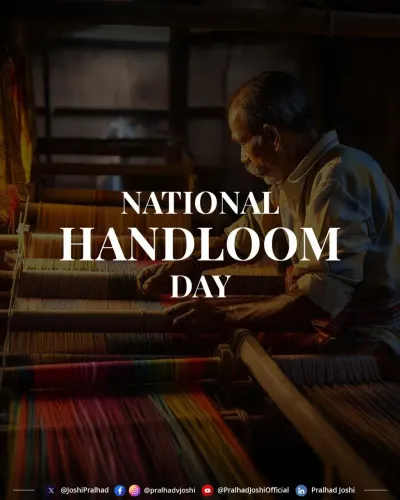
Every thread tells a story. On National Handloom Day, 7 August, Odisha Chief Minister Mohan Charan Majhi paid tribute to the state's handloom weavers, calling their craft an irreplaceable pulse of Odia identity and urging citizens to embrace homespun textiles as an act of cultural pride.
Posting in Odia, the Chief Minister wrote: 'ହସ୍ତତନ୍ତର ସୂତାଖିଅରେ ବୁଣା ଓଡ଼ିଆପଣ, ପାରମ୍ପରିକ ପରିଧାନରେ ଶାଣିତ ସ୍ୱାଭିମାନ' — 'Odia-ness woven into every thread of the handloom, self-respect sharpened in traditional attire.' He described the loom not merely as a piece of cloth but as 'the unique heartbeat of our identity and tradition,' kept alive through the labour, dedication, and artisanal skill of Odisha's weaver community. His closing line was unambiguous: 'Our handloom, our pride.'
A day rooted in the Swadeshi spirit
National Handloom Day has been observed every 7 August since 2015, when the Ministry of Textiles designated the date to honour weavers and revive interest in indigenous textiles. The date is deliberately chosen — it marks the anniversary of the Swadeshi Movement's launch in 1905, when the call to boycott British cloth and embrace Indian-made fabric became a rallying cry of the independence struggle. That historical echo gives the occasion a weight beyond ceremony.Odisha's handloom heritage and its living artisans
Odisha's handloom tradition runs deep. The state is home to several Geographical Indication (GI)-tagged textile varieties, whose distinctive weaves and motifs have earned national and international recognition. These fabrics are not museum pieces — they represent livelihoods for thousands of weaver families across the state's handloom clusters. Chief Minister Majhi's message explicitly saluted these artisans, calling on all citizens to adopt this 'priceless treasure of our soil' with affection and to reinforce the resolve to build a 'Samrudha Odisha' — a prosperous Odisha. State leaders across India routinely mark the day with messages of solidarity, but Majhi's framing — anchoring handloom directly to asmita (identity) and swabhimaan (self-respect) — reflects a broader political and cultural push to position Odia craft traditions as living symbols of regional pride rather than relics of the past. For Odisha's weavers, the real measure will come in budget allocations and market-access initiatives. The sentiment, for now, is on the loom.Point of View
Elected in June 2024, he has a political incentive to build emotional resonance with Odia cultural pride. The invocation of asmita and swabhimaan mirrors language used by the party at the national level around Vocal for Local and Atmanirbhar Bharat. Whether this rhetorical investment translates into substantive policy support — cluster development, e-commerce access, export promotion — for Odisha's weaver communities is the question that will define his government's actual record on the sector.
NationPress
7 Aug 2026
Frequently Asked Questions
What is National Handloom Day and why is it on 7 August?
National Handloom Day is observed every 7 August since 2015 to honour India's handloom weavers. The date commemorates the launch of the Swadeshi Movement on 7 August 1905 , when Indian leaders called for boycotting British cloth and promoting indigenous textiles.
What did Odisha CM Mohan Majhi say on National Handloom Day?
CM Mohan Charan Majhi posted in Odia calling handloom the 'unique heartbeat of Odia identity and tradition.' He saluted weaver artisans for keeping the craft alive and urged citizens to embrace traditional textiles, ending with 'Our handloom, our pride.'
What handloom textiles is Odisha known for?
Odisha is home to several Geographical Indication (GI)-tagged handloom varieties with distinctive weaves and motifs. These textiles are recognised nationally and internationally and represent livelihoods for thousands of weaver families across the state.
Who is Mohan Charan Majhi?
Mohan Charan Majhi is the Chief Minister of Odisha and a BJP leader. He took office in June 2024 as the state's first BJP Chief Minister after the party won the Odisha assembly elections.
Why do Indian leaders post messages on National Handloom Day?
National Handloom Day is a nationally designated occasion to promote indigenous textiles and acknowledge weaver communities. State governments across India use it to highlight regional textile traditions, reinforce cultural identity, and signal support for artisan livelihoods.