CM Manik Saha Hails Bishalgarh Kali Temple Renovation
Synopsis
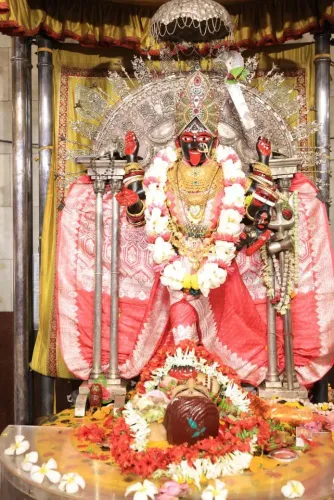
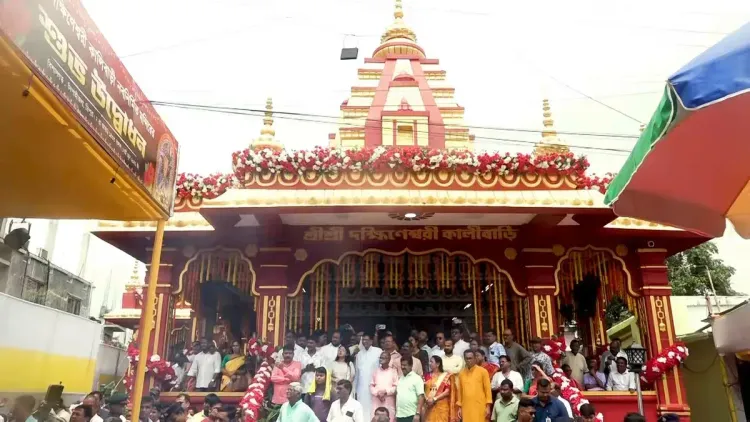
Tripura Chief Minister Dr. Manik Saha has publicly welcomed the navakalevar renovation of the Shri Shri Dakshineswari Kali Temple in Bishalgarh, calling it a spiritual beacon and expressing hope it will attract tourists alongside devotees.
Key Takeaways
Tripura Chief Minister Dr.
Manik Saha praised the navakalevar (renovation and reconsecration) of the Shri Shri Dakshineswari Kali Temple in Bishalgarh on 17 June 2026 .
The Chief Minister described the temple's renewal as 'a radiant direction of spiritual illumination' and predicted it would attract tourists alongside devotees.
Bishalgarh is located in Sepahijala district , Tripura, and has growing connectivity that supports its potential as a pilgrimage tourism node.
Tripura has been promoting religious tourism circuits since 2018 , and the renovation fits within a broader Northeast India pattern of framing temple restorations as both spiritual and economic projects.
No formal state tourism or funding announcement has been made yet; observers await integration of the temple into official pilgrimage circuits.
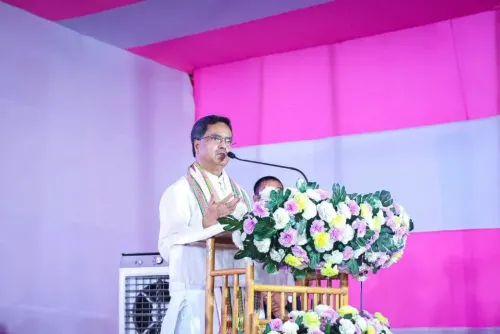
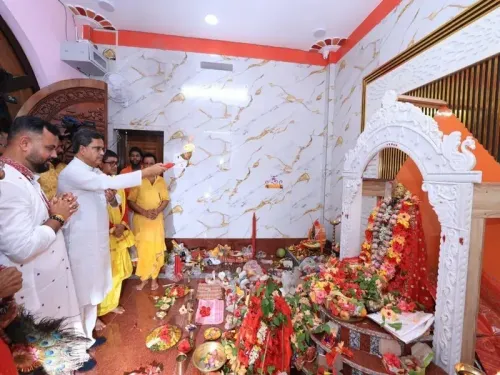
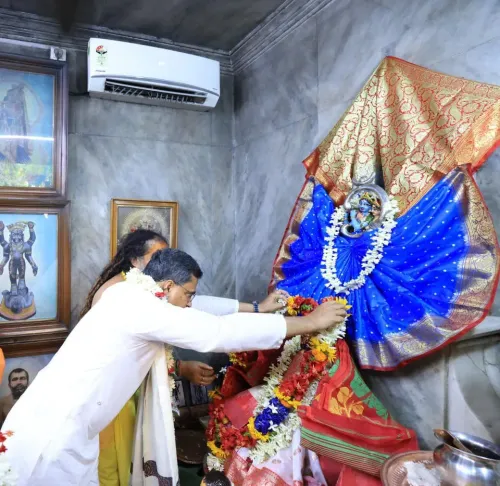
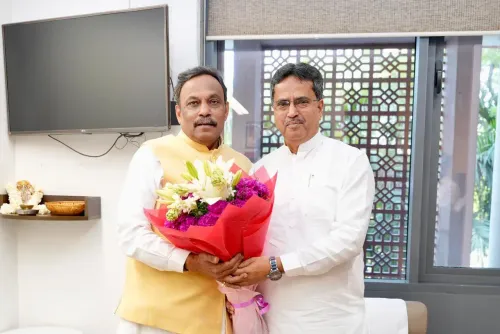
Tripura Chief Minister Dr. Manik Saha on Wednesday, 17 June 2026, welcomed the navakalevar (major renovation and reconsecration) of the Shri Shri Dakshineswari Kali Temple in Bishalgarh, expressing confidence that the revitalised shrine will emerge as both a spiritual centre and a significant tourist destination for the state.
Posting in Bengali on X, the Chief Minister described the temple's renewal as 'a bright beacon of spiritual light,' stating: 'The navakalevar journey of the Shri Shri Dakshineswari Kali Temple at Bishalgarh is, in my view, a radiant direction of spiritual illumination. I believe that in the days ahead, this sacred place will not only be a hub of devotion and worship but will also become attractive to tourists.'
Context
The Shri Shri Dakshineswari Kali Temple is located in Bishalgarh, a sub-divisional town in Sepahijala district of Tripura. The navakalevar process — a traditional rite of restoration and reconsecration — marks a significant moment for local devotees who regard the temple as an important centre of Kali worship in the region. Dr. Saha's public endorsement signals the state government's interest in the temple's renewed profile.
Policy Backdrop
The Tripura government has been promoting religious tourism circuits since 2018, channelling attention toward temples alongside the well-established Tripura Sundari shrine. This effort aligns with the central government's PRASAD (Pilgrimage Rejuvenation and Spiritual Augmentation Drive) scheme, under which heritage religious sites are developed for both spiritual and economic purposes. State governments across the Northeast have increasingly framed temple renovations as dual spiritual and economic projects, linking heritage conservation with tourism revenue.
Bishalgarh's growing connectivity within Sepahijala district positions it as a viable node in any expanded pilgrimage circuit. The Chief Minister's remarks suggest the temple could be considered for integration into official Tripura tourism itineraries, though no formal announcement has been made.
Stakeholders and Impact
The primary beneficiaries of the renovation are local devotees of Bishalgarh and surrounding areas, for whom the temple holds deep religious significance. A successful restoration and increased footfall could also benefit local traders, hospitality providers, and the broader Sepahijala district economy. For the state, elevating a smaller historic shrine alongside marquee pilgrimage centres diversifies Tripura's religious tourism offering.
Domestic tourists seeking lesser-known spiritual destinations in the Northeast could find Bishalgarh an accessible addition to existing itineraries. The Chief Minister's public endorsement lends the renovation added visibility at the state level.
What's Next
Observers will watch for formal announcements from the Tripura Tourism Department on infrastructure upgrades around the Bishalgarh temple — including road access, visitor facilities, and possible inclusion in state-promoted pilgrimage packages. Whether the temple is formally integrated into the PRASAD framework or a state-level religious circuit will be a key indicator of the government's follow-through. Dr. Saha's statement sets an expectation that spiritual heritage and tourism development will advance together at this site.
Point of View
The Chief Minister signals that heritage conservation and tourism revenue are being pursued as complementary goals — a pattern visible across BJP-governed states in the Northeast. The public statement also serves to build goodwill among the Bengali-speaking Hindu community in Sepahijala district ahead of any future electoral cycle. Whether the rhetoric translates into budgetary allocation or PRASAD inclusion will determine the temple's actual trajectory.
NationPress
19 Sept 2026
Frequently Asked Questions
What is the Shri Shri Dakshineswari Kali Temple in Bishalgarh?
The Shri Shri Dakshineswari Kali Temple is a Kali temple located in Bishalgarh, a sub-divisional town in Sepahijala district of Tripura, currently undergoing navakalevar — a traditional process of renovation and reconsecration.
What is navakalevar and why is it significant?
Navakalevar is a traditional Hindu rite involving the major renovation and reconsecration of a temple or deity, considered a spiritually significant event that restores the sacred character of the site and is celebrated by devotees.
What did Tripura CM Manik Saha say about the Bishalgarh temple?
On 17 June 2026, CM Dr. Manik Saha posted on X in Bengali, calling the temple's navakalevar 'a radiant direction of spiritual illumination' and expressing belief that it would become attractive to tourists in addition to serving as a devotional centre.
How is Tripura promoting religious tourism?
Tripura has been promoting religious tourism circuits since 2018, developing temples alongside the established Tripura Sundari shrine and aligning with central government schemes such as PRASAD to upgrade heritage religious sites for visitors.
Will the Bishalgarh Kali Temple be included in Tripura's official tourism circuit?
No formal announcement has been made, but CM Saha's public endorsement suggests the state government may consider integrating the temple into official pilgrimage and tourism itineraries; announcements from the Tripura Tourism Department are awaited.