CM Manik Saha Spotlights Tripura's Hidden Gems on World Tourism Day
Synopsis
On World Tourism Day 2026, Tripura CM Dr. Manik Saha spotlighted Neermahal's historic lake palace and Jampui Hills on X, pitching the Northeast state's underexplored heritage and nature to a global audience.
Key Takeaways
Manik Saha posted a tourism appeal on World Tourism Day, 27 September 2026 , urging travellers to explore Tripura.
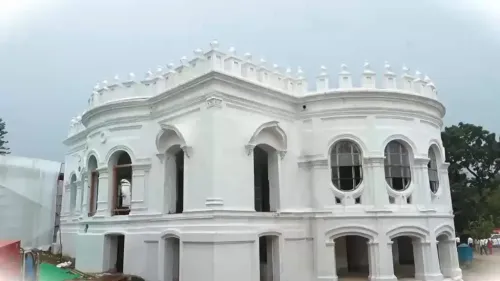
Neermahal , a water palace built in 1930 on Rudrasagar Lake, is one of only two lake palaces in India.
Jampui Hills is the highest hill range in Tripura, known for orange cultivation and panoramic Northeast views.
The central government's Swadesh Darshan scheme , launched in 2014-15 , specifically funds thematic tourism circuits in the Northeast.
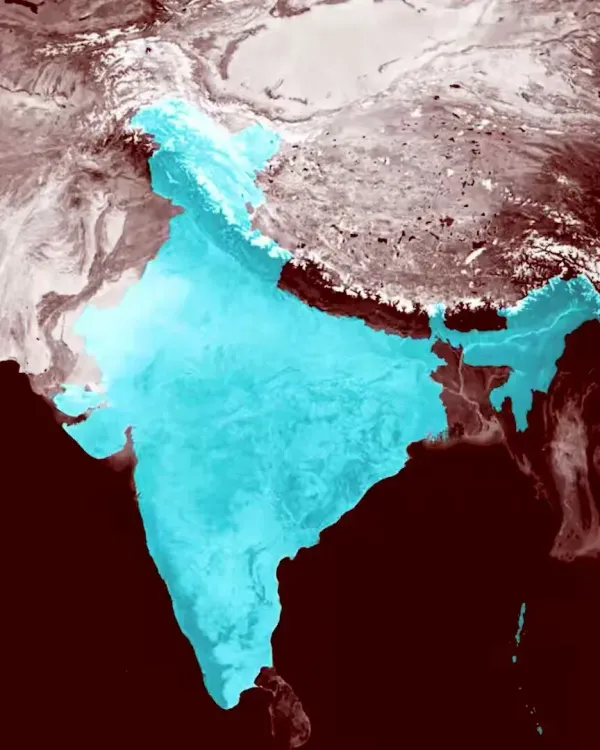
Tourism is a key economic lever for Tripura, a state sharing an 856-km border with Bangladesh with significant tribal heritage.
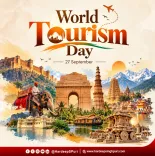
World Tourism Day is observed every 27 September under the UN World Tourism Organization (UNWTO) .
On World Tourism Day, 27 September 2026, Tripura Chief Minister Dr. Manik Saha turned the global spotlight on his state's least-explored corners — from an island palace shimmering on a lake to orange-scented hills that touch the clouds. The message was simple and pointed: Tripura is waiting, and the world hasn't seen it yet.
Sharing the call on X, the Chief Minister wrote: 'From the pristine waters of Neermahal to the serene hills of Jampui, our state holds incredible treasures for every traveler. Come, explore the unexplored.' The framing — an invitation rather than a bulletin — captures Tripura's persistent challenge: spectacular geography, modest footfall.
Neermahal and Jampui Hills: The Twin Icons CM Saha Put on the Map
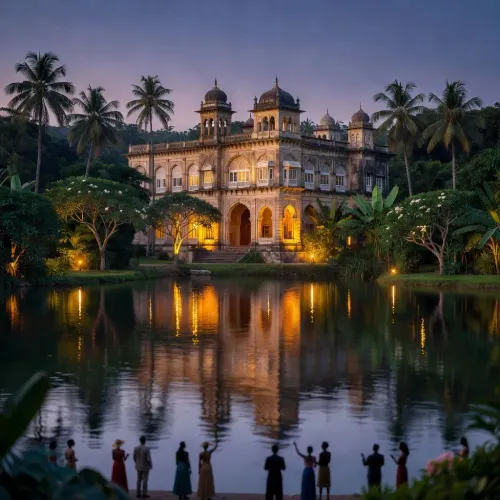
Neermahal, the water palace on Rudrasagar Lake, was built in 1930 by Maharaja Bir Bikram Kishore Manikya and remains one of only two lake palaces in India. At dusk the structure — half Hindu, half Mughal in silhouette — reflects off the water in a scene that looks borrowed from a different century. Yet it draws a fraction of the visitors Rajasthan's lake palaces command.
Jampui Hills, the highest range in Tripura near the Mizoram border, is famous for its orange orchards and unbroken panoramas across the Northeast. Every November the Orange Festival fills the slopes with colour and local music — a draw that remains largely off the national travel radar.
Northeast Tourism and the Policy Push Behind the Pitch
Dr. Saha's post isn't just ceremonial. It lands inside a longer policy arc: the central government's Swadesh Darshan scheme, launched in 2014-15, earmarked funds specifically for thematic tourism circuits in the Northeast, recognising that the region's underexposure was as much a product of poor connectivity as poor awareness. Successive administrations — and Tripura's current BJP government in particular — have used every global observance day as a low-cost amplification tool for state tourism.
For Tripura, a landlocked state sharing a 856-km border with Bangladesh, tourism isn't a vanity metric. It is a genuine economic lever — one that can pull local tribal communities, heritage crafts, and small hospitality businesses into a broader growth story that manufacturing alone cannot deliver.
World Tourism Day: A Global Stage, a Local Ambition
World Tourism Day, observed every 27 September under the aegis of the UN World Tourism Organization (UNWTO), was created to raise awareness of tourism's social, cultural, and economic value. For a state like Tripura, it doubles as a rare moment when a single post can reach audiences far beyond the Northeast.
The Chief Minister's choice to highlight two very different landscapes — the still, reflective waters of Neermahal and the breezy, elevated calm of Jampui — signals a deliberate pitch to two traveller profiles: the heritage seeker and the nature wanderer. Both, for now, remain largely untapped.
If Tripura's tourism infrastructure can keep pace with the invitation, the state's best story may still be ahead of it.
Point of View
High-visibility, and squarely aligned with the BJP's broader agenda of integrating the region into India's mainstream economic narrative. By naming specific sites rather than speaking in generalities, the Chief Minister signals awareness that vague destination marketing fails; named places generate searchable curiosity. The deeper policy bet is that rising tourist footfall in states like Tripura can compensate for limited industrial investment — a gamble that depends heavily on connectivity improvements and hospitality infrastructure that the post, by design, doesn't address.
NationPress
27 Sept 2026
Frequently Asked Questions
What is Neermahal in Tripura?
Neermahal is a historic water palace built in 1930 by Maharaja Bir Bikram Kishore Manikya on Rudrasagar Lake in Tripura. It is one of only two lake palaces in India and blends Hindu and Mughal architectural styles.
Where are Jampui Hills located in Tripura?
Jampui Hills is the highest hill range in Tripura, situated near the Mizoram border. The area is celebrated for its orange orchards, the annual Orange Festival, and sweeping panoramic views of the Northeast.
Why is World Tourism Day celebrated on 27 September?
World Tourism Day is observed every 27 September under the United Nations World Tourism Organization (UNWTO) to highlight the social, cultural, and economic importance of tourism globally.
What is the Swadesh Darshan scheme for Northeast India?
Swadesh Darshan is a central government scheme launched in 2014-15 to develop thematic tourism circuits across India, with specific funding allocated to improve tourism infrastructure in the Northeastern states.
What tourism sites is Tripura known for?
Tripura is known for Neermahal water palace, Jampui Hills, Ujjayanta Palace, and several tribal heritage and wildlife sites. The state borders Bangladesh and has a rich mix of tribal culture and natural landscapes.