CM Sai Reflects on 12 Years of PM Modi's Impact on Chhattisgarh
Synopsis
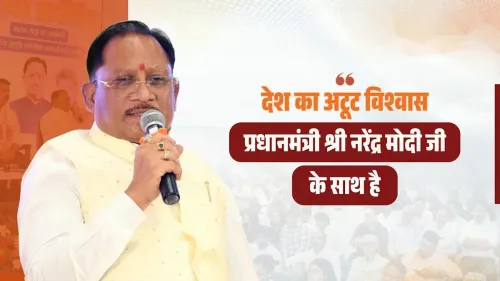
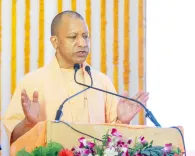
Chhattisgarh Chief Minister Vishnu Deo Sai has shared his perspectives on 12 years of PM Narendra Modi's leadership, highlighting transformative development in the state and the Bastar region — once a Left-Wing Extremism hotspot now framed as a symbol of India's governance turnaround.
Key Takeaways
The Chhattisgarh CMO shared CM Vishnu Deo Sai 's written perspectives on 12 years of PM Modi's leadership on June 10, 2026 .
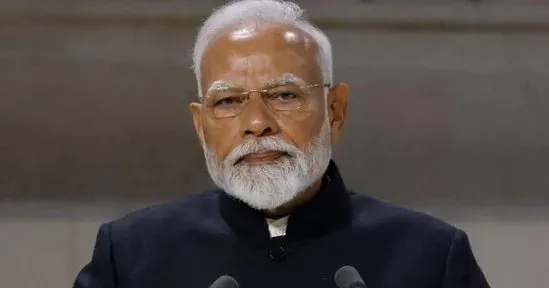
PM Narendra Modi has been in office since May 2014 , making him India's longest-serving elected Prime Minister.
The post specifically highlights the transformation of Bastar , historically affected by Left-Wing Extremism , as a marker of development progress.
CM Sai took charge in December 2023 , aligning Chhattisgarh 's state agenda with central government development schemes.
Key development areas cited include road connectivity, schools, security infrastructure and welfare delivery in tribal-majority regions.
The messaging reflects a broader BJP pattern of linking state-level outcomes to central leadership across multiple states.
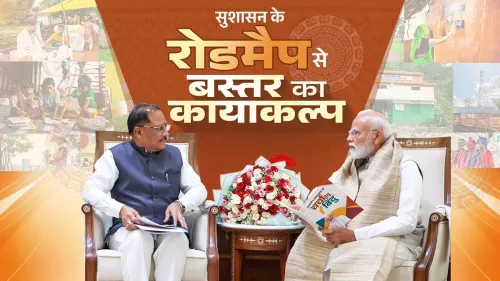
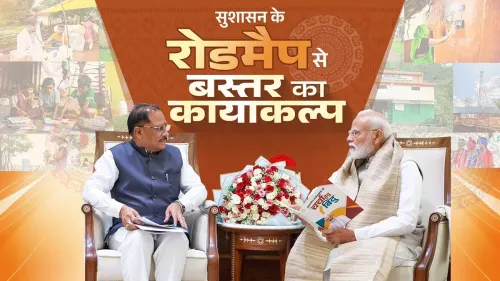
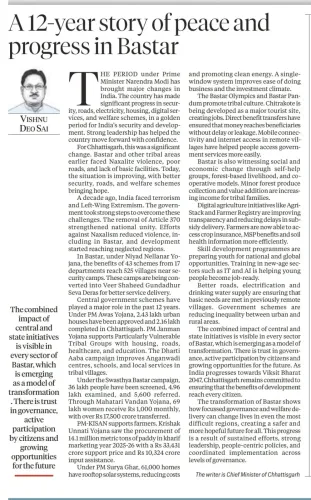
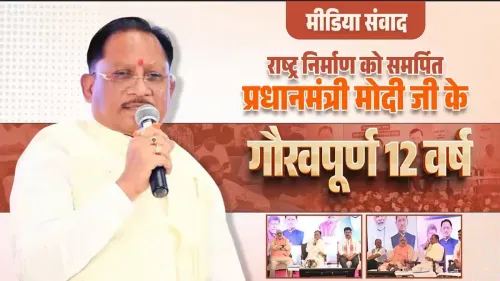
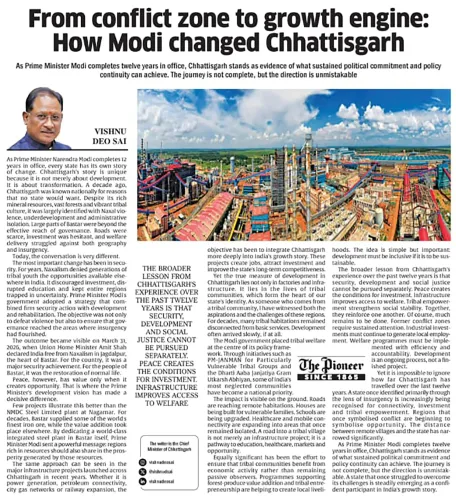
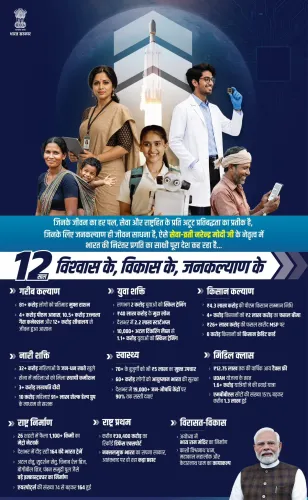
The Chief Minister's Office of Chhattisgarh on Wednesday, June 10, 2026 shared Chief Minister Vishnu Deo Sai's perspectives on 12 years of Prime Minister Narendra Modi's leadership, framing the period as a transformation stretching from the vision of a 'New India' to the concrete emergence of a 'New Bastar'.
Context
The post, shared under the hashtag #LongestServingElectedPMModi, marks Prime Minister Modi's completion of 12 years in office since his first swearing-in in May 2014. CM Sai used the occasion to articulate how central policies over that period have, in his view, reshaped Chhattisgarh — and most visibly, its historically troubled southern region of Bastar.
The framing of 'New Bastar' carries particular resonance: the region spent decades as a flashpoint of Left-Wing Extremism, and its gradual transformation through road connectivity, school construction and security infrastructure has become a recurring symbol in BJP governance narratives.
Policy Backdrop
When Modi assumed office in May 2014, central programmes on roads, rural electrification and housing were extended to states including Chhattisgarh, which has significant mineral wealth and a large tribal population. The BJP returned to power in the state in December 2023, with Vishnu Deo Sai — a former Union Minister of State for Steel and Mines — taking charge as Chief Minister, aligning state priorities closely with the central government's development agenda.
Security and development initiatives in Bastar have run in tandem since 2014, combining anti-insurgency operations with investments in physical and social infrastructure. This dual approach has been credited by the state government with opening previously inaccessible areas to mainstream economic activity.
Stakeholders and Impact
The communities most directly affected are Chhattisgarh's tribal populations, concentrated heavily in the Bastar division's seven districts. For them, the practical markers of change include new road links, functional schools and improved access to welfare schemes delivered through central platforms.
Broader constituencies — including state government employees, contractors engaged in infrastructure projects, and the mining sector — have also been shaped by the policy alignment between Raipur and New Delhi over the past decade. CM Sai's commentary positions this alignment as a deliberate and continuing strategic choice rather than coincidental timing.
What's Next
The immediate focus will be on the physical rollout of ongoing road, school and connectivity projects across Bastar, where progress on the ground will test the rhetorical claims of transformation. Any state budget announcements or central scheme reviews affecting Chhattisgarh in the coming fiscal year will be closely watched as indicators of whether the development momentum is sustained.
As PM Modi enters his thirteenth year in office, the BJP's state governments — Chhattisgarh among them — are likely to intensify the narrative of centre-state synergy, particularly in regions like Bastar that offer a dramatic before-and-after story for electoral and governance communication alike.
Point of View
Timed to PM Modi's 12-year mark, signals that the BJP's 2023 state election mandate in Chhattisgarh is being actively woven into the larger national story of transformative governance. The durability of that narrative will ultimately depend on verifiable, on-ground progress in Bastar's most remote districts.
NationPress
26 Oct 2026
Frequently Asked Questions
What did CM Vishnu Deo Sai say about PM Modi's 12 years?
CM Vishnu Deo Sai shared his perspectives on how PM Modi's 12-year tenure has driven development in Chhattisgarh, framing the period as a journey from the vision of a 'New India' to the emergence of a 'New Bastar'.
What is 'New Bastar' and why does it matter?
'New Bastar' refers to the transformation of the Bastar region in southern Chhattisgarh, historically affected by Left-Wing Extremism, through investments in roads, schools and security infrastructure over the past decade.
How long has Narendra Modi been Prime Minister of India?
Narendra Modi has been Prime Minister of India since May 2014, completing 12 years in office as of 2026, making him India's longest-serving elected Prime Minister.
When did Vishnu Deo Sai become Chief Minister of Chhattisgarh?
Vishnu Deo Sai became Chief Minister of Chhattisgarh in December 2023 after the BJP won the state assembly elections.
What central government schemes have benefited Chhattisgarh under PM Modi?
Central programmes focused on rural roads, electrification, housing and welfare delivery have been extended to Chhattisgarh since 2014, with the Bastar region receiving particular attention for combined security and development initiatives.