CM Sai: ₹35,589 Cr Paid to 25 Lakh Chhattisgarh Farmers
Synopsis
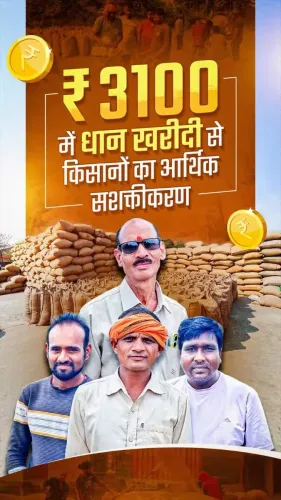
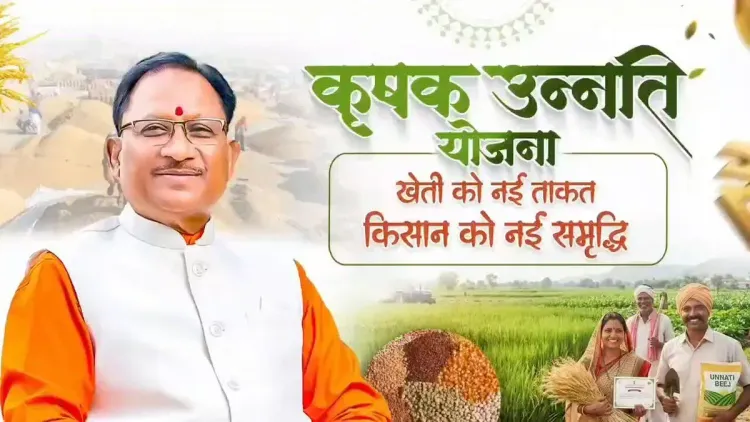
Chhattisgarh CM Vishnu Deo Sai announced that over ₹35,589 crore has been directly transferred to more than 25 lakh farmers in three years under the Krishak Unnati Yojana, which procures paddy at ₹3,100 per quintal up to 21 quintals per acre.
Key Takeaways
Chhattisgarh's Krishak Unnati Yojana procures paddy from farmers at ₹3,100 per quintal , up to 21 quintals per acre .
Over the past three years , more than 25 lakh farmers have received direct bank transfers under the scheme.
The total amount disbursed stands at ₹35,589 crore , making it one of the largest agricultural direct-benefit transfers in the state's history.
Payments are made directly to farmer bank accounts, removing intermediaries and reducing leakage.
CM Vishnu Deo Sai framed the disbursals as fulfilment of Prime Minister Narendra Modi's election guarantee to farmers.
Chhattisgarh is a major paddy-producing state, making this scheme central to rural livelihoods across its agricultural belt.
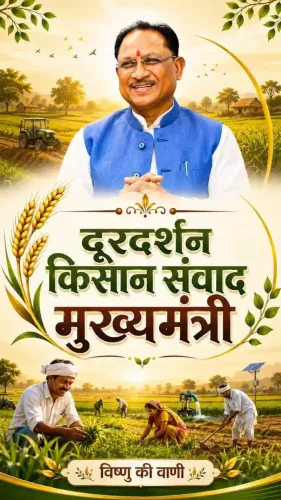
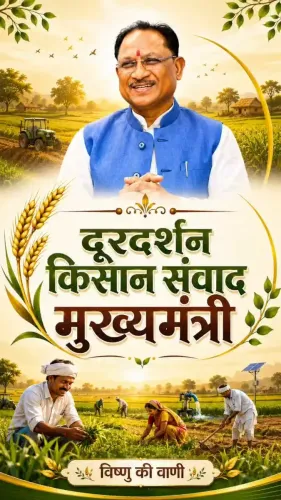
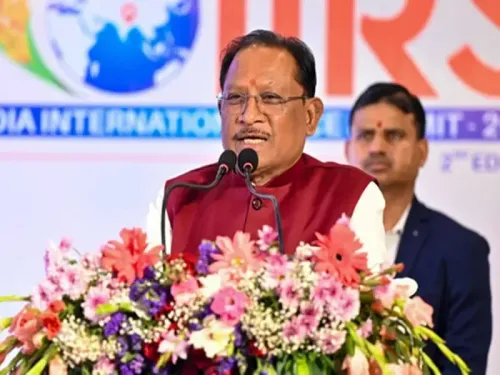
In three years, more than 25 lakh farmers in Chhattisgarh have received a combined ₹35,589 crore directly into their bank accounts — and Chhattisgarh Chief Minister Vishnu Deo Sai wants the country to know exactly how that happened. On Thursday, 1 October 2026, the Chief Minister posted a detailed account of the state's paddy procurement push, framing it as the fulfilment of Prime Minister Narendra Modi's election guarantee.
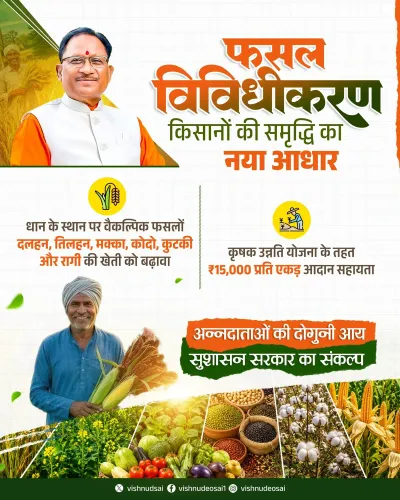
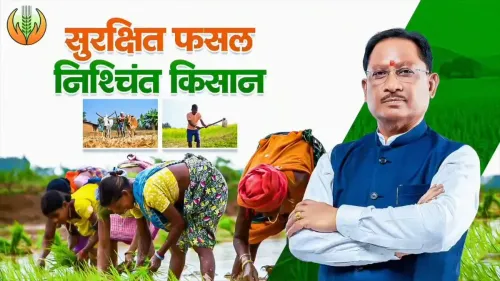
At the heart of the drive is the Krishak Unnati Yojana — a scheme under which the state government procures paddy from farmers at ₹3,100 per quintal, up to a ceiling of 21 quintals per acre. CM Sai wrote: 'Krishak Unnati Yojana ke tahat pradesh ke kisanon se ₹3,100 prati quintal ki dar se prati ekad 21 quintal tak dhan kharidi ki ja rahi hai' ('Under the Krishak Unnati Yojana, paddy is being purchased from the state's farmers at the rate of ₹3,100 per quintal, up to 21 quintals per acre').
What ₹3,100 per quintal means for a Chhattisgarh paddy farmer
The significance of the ₹3,100 per quintal rate becomes clear when set against the national backdrop. The Central Government's Minimum Support Price for common-grade paddy has historically hovered well below that figure, meaning the state is topping up the gap from its own resources — a meaningful fiscal commitment in a state where paddy cultivation is the dominant livelihood for rural households.
At the maximum procurement of 21 quintals per acre, a farmer with even a modest two-acre holding stands to receive over ₹1.3 lakh in a single season — a sum that, in Chhattisgarh's rural economy, can cover school fees, input costs for the next crop, or the repayment of informal credit. CM Sai underlined this directly, noting the funds are becoming 'a new hope for better farming, family needs, and a better future for children.'
₹35,589 crore in three years — the scale of the transfer
The cumulative figure of ₹35,589 crore disbursed over three years to more than 25 lakh beneficiaries positions the Krishak Unnati Yojana as one of the largest direct-benefit agricultural transfers in Chhattisgarh's history. Direct-to-account payment architecture matters here: it removes middlemen, reduces leakage, and creates a verifiable audit trail — a design principle that has become the BJP government's signature across welfare delivery at both the state and Centre levels.
The post is also a political signal, explicitly tagging Prime Minister Narendra Modi and framing the disbursals as the honouring of his 'guarantee' — a term that became central to the BJP's campaign rhetoric ahead of state assembly elections and the 2024 general election. For the BJP, visible delivery on welfare promises is as important as the promise itself.
Chhattisgarh's paddy belt and why the numbers carry weight
Chhattisgarh is often called the 'rice bowl of central India.' The state's Chhattisgarhi plains — particularly districts like Durg, Raipur, Rajnandgaon, and Bilaspur — produce paddy on a scale that makes the crop inseparable from both the economy and the cultural identity of the region. Any shift in procurement price or volume has an outsized effect on rural income, purchasing power, and political sentiment across a wide swathe of the electorate.
With the Rabi season approaching and the state heading deeper into the paddy procurement calendar, CM Sai's post serves both as a progress report and a forward signal to farmers: the scheme is operational, the rates are fixed, and the transfers are running.
Twenty-five lakh families, ₹35,589 crore, three years — when the numbers are this concrete, the chief minister's message writes itself.
Point of View
Fixed procurement rates, and auditable beneficiary counts — into a state-level showcase. The explicit ₹3,100 per quintal rate, set above the national MSP, signals a fiscal willingness to compete on agricultural generosity, a strategy that has proved electorally potent in paddy-dominant states. The three-year cumulative framing is also politically shrewd: it converts an ongoing programme into a milestone narrative ahead of the next election cycle. If delivery continues at scale, it sets a template other BJP-governed agricultural states may look to replicate.
NationPress
1 Oct 2026
Frequently Asked Questions
What is the Krishak Unnati Yojana in Chhattisgarh?
The Krishak Unnati Yojana is a Chhattisgarh state government scheme under which paddy is procured from farmers at ₹3,100 per quintal, with each farmer eligible to sell up to 21 quintals per acre. Payments are made directly into farmers' bank accounts.
How much money has been transferred to Chhattisgarh farmers under Krishak Unnati Yojana?
Over the past three years, more than ₹35,589 crore has been directly transferred to the bank accounts of over 25 lakh farmers in Chhattisgarh under the Krishak Unnati Yojana.
What is the paddy procurement rate under Krishak Unnati Yojana?
Under the Krishak Unnati Yojana, Chhattisgarh procures paddy at ₹3,100 per quintal, up to a maximum of 21 quintals per acre per farmer.
Who announced the Krishak Unnati Yojana update in October 2026?
Chhattisgarh Chief Minister Vishnu Deo Sai announced the update on 1 October 2026, sharing the scheme's three-year progress on X and crediting Prime Minister Narendra Modi's guarantee as the driving force.
Is Chhattisgarh a major paddy-producing state?
Yes, Chhattisgarh is known as the 'rice bowl of central India.' Paddy cultivation is the primary livelihood for a large share of its rural population, making agricultural procurement policy a critical lever for rural income in the state.