Congress flags 'problematic' JPC functioning on FCRA Bill to Lok Sabha Speaker
Synopsis
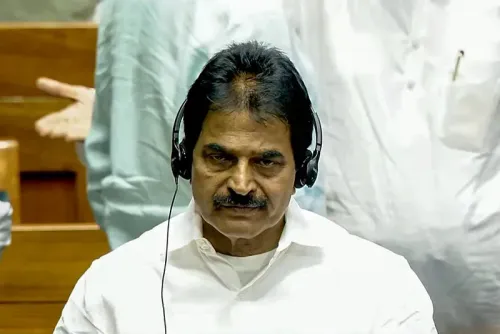
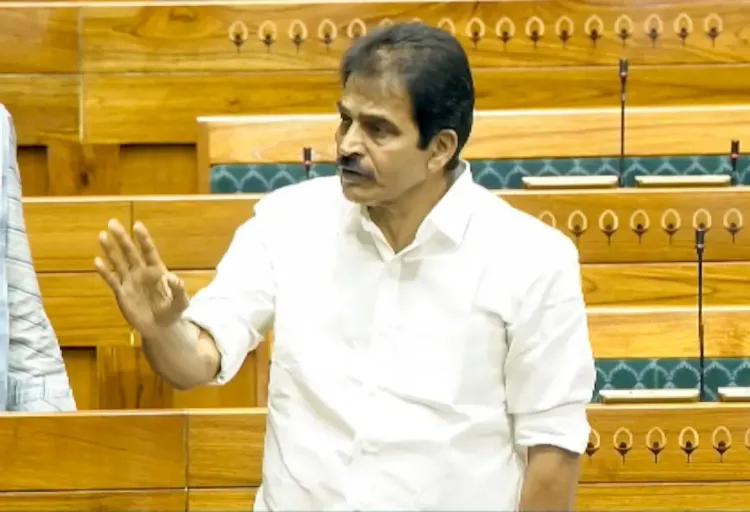
Congress General Secretary K.C. Venugopal has written to Lok Sabha Speaker Om Birla alleging that the JPC on the FCRA Amendment Bill 2026 is bypassing meaningful stakeholder consultation and may rush the legislation through the Winter Session — a charge that strikes at the legitimacy of the parliamentary scrutiny process itself.
Key Takeaways
Congress General Secretary K.C.
Venugopal wrote to Lok Sabha Speaker Om Birla on 1 October 2026 over the JPC on the FCRA (Amendment) Bill, 2026 .
Congress alleges no meaningful stakeholder consultation is taking place and warns against a hasty passage in the Winter Session .
Venugopal made three requests: public notice for written memoranda, adequate time for deliberation including a deadline extension if needed, and clause-by-clause scrutiny before the Bill is tabled in the House.
The FCRA (Amendment) Bill, 2026 was introduced on 25 March 2026 and referred to a 31-member JPC on 12 August 2026 .
Congress described the Bill as having "wide-ranging ramifications on the Constitutional rights of minorities and civil society groups."
The Indian National Congress on Thursday, 1 October 2026 wrote to Lok Sabha Speaker Om Birla, raising alarm over the "problematic functioning" of the Joint Parliamentary Committee (JPC) examining the Foreign Contribution (Regulation) Amendment Bill, 2026, and urging him to intervene so the panel fulfils the mandate for which it was constituted. The move signals a sharpening political battle over a piece of legislation that critics say carries sweeping consequences for civil society and minority groups.
What Congress Has Alleged
Congress General Secretary (Organisation) K.C. Venugopal, who also heads the Public Accounts Committee, made three specific requests to the Speaker. He demanded that the JPC invite written memoranda through a public notice and conduct oral hearings with all affected stakeholders — including NGOs, charitable institutions, religious bodies, voluntary organisations, legal experts, and state governments.
Venugopal further asked that the Committee be given adequate time for its deliberations, with an extension of its reporting deadline if necessary, rather than being forced to work under an accelerated schedule. He also sought a guarantee that members have "full opportunity for clause-by-clause deliberation, and the Bill is not taken up in the House until the Committee has completed a genuine and comprehensive examination."
The Core Concern: A Hasty Winter Session Push
At the heart of the Congress objection is a reported plan to pass the Bill in the upcoming Winter Session of Parliament without meaningful stakeholder consultation. "It has been learnt that no meaningful consultation with stakeholders is taking place, and that there is an intention to have the Bill passed hastily in the forthcoming Winter Session," Venugopal said in his letter. "If this is so, it would defeat the very purpose for which the House referred the Bill to the Committee, and reduce an important parliamentary process to a mere formality."
Venugopal, in a post on social media platform X, described the FCRA Amendment Bill as "a highly sensitive Bill with wide-ranging ramifications on the Constitutional rights of minorities and civil society groups" — framing that signals the opposition's intent to make the legislation a broader democratic accountability issue.
Timeline of the Bill
The FCRA (Amendment) Bill, 2026 was introduced in the Lok Sabha on 25 March 2026. Amid concerns raised by Members of Parliament, it was referred to the 31-member JPC on 12 August 2026. That referral, Congress now argues, carried an implicit commitment to wider consultation and deeper scrutiny — one it says is currently not being honoured.
Why This Bill Matters
The FCRA governs the flow of foreign funds to Indian organisations, and amendments to it have historically drawn intense scrutiny from civil society, the judiciary, and international observers. Previous rounds of FCRA tightening — in 2010 and 2020 — led to the cancellation of thousands of NGO licences and drew criticism from human rights groups and the United Nations. Any fresh amendment is therefore watched closely by religious organisations, development sector bodies, and minority communities who depend on foreign philanthropy for operations.
This is the third major FCRA legislative intervention in roughly 16 years, and the Congress's intervention raises a procedural question that goes beyond partisan politics: whether the JPC mechanism — designed specifically to allow deeper legislative scrutiny — is being used substantively or as a rubber stamp.
What Comes Next
The Speaker's office has not publicly responded to Venugopal's letter as of Thursday. Should the JPC proceed without broader consultation, the opposition is expected to escalate objections on the floor of the House when the Bill is brought up. Civil society groups and legal experts are also likely to intensify their engagement as the Winter Session draws closer.
Point of View
Because it implicates the Speaker's office and the credibility of the JPC mechanism itself — not merely the ruling party's legislative agenda. The FCRA's history is littered with provisions that courts and rights bodies later found overbroad; a rushed JPC process repeats that pattern. If the Winter Session timetable is indeed driving the Committee's pace, Parliament will have passed a constitutionally sensitive law without the very safeguard it created to vet it.
NationPress
1 Oct 2026
Frequently Asked Questions
What is Congress's complaint about the FCRA Amendment Bill JPC?
Congress alleges that the Joint Parliamentary Committee examining the FCRA (Amendment) Bill, 2026 is not conducting meaningful consultations with stakeholders, and that there is a push to pass the Bill hastily in the Winter Session. Congress General Secretary K.C. Venugopal raised these concerns in a formal letter to Lok Sabha Speaker Om Birla on 1 October 2026.
What is the FCRA (Amendment) Bill, 2026?
It is a proposed amendment to the Foreign Contribution (Regulation) Act, which governs how Indian organisations receive and use foreign funds. The Bill was introduced in the Lok Sabha on 25 March 2026 and referred to a 31-member JPC on 12 August 2026 following concerns from MPs.
What are K.C. Venugopal's three demands to the Lok Sabha Speaker?
Venugopal has asked the Speaker to ensure the JPC invites written memoranda via public notice and hears oral evidence from all affected stakeholders; grants the Committee adequate time including a deadline extension if needed; and allows members full clause-by-clause deliberation before the Bill is brought to the House floor.
Why is the FCRA Bill considered sensitive?
The FCRA directly affects NGOs, charitable institutions, religious bodies, and civil society organisations that receive foreign funding. Congress has described the Bill as carrying 'wide-ranging ramifications on the Constitutional rights of minorities and civil society groups.' Previous FCRA amendments in 2010 and 2020 led to thousands of licence cancellations and drew criticism from UN bodies and human rights organisations.
What happens next with the FCRA Bill?
The Lok Sabha Speaker's office had not publicly responded to Venugopal's letter as of Thursday. If the JPC proceeds without broader consultation, the opposition is expected to raise objections on the House floor when the Bill comes up for consideration, likely during the Winter Session of Parliament.