CM Fadnavis honours Captain Smit Machchhar's bravery
Synopsis
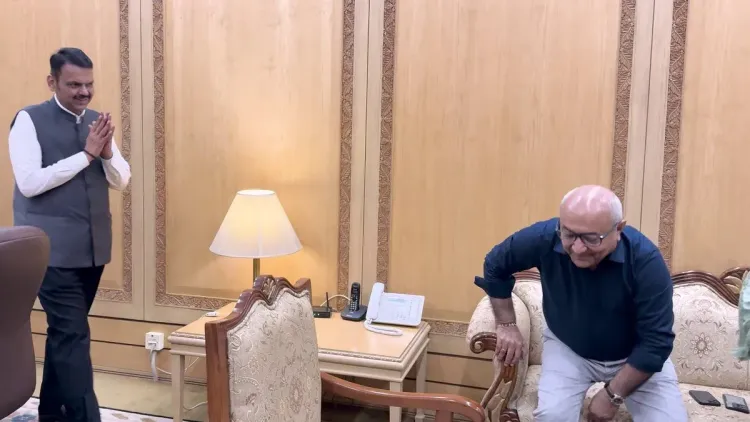
Maharashtra CM Devendra Fadnavis personally met Captain Smit Machchhar's uncle and aunt on 1 October 2026 to applaud the young pilot's extraordinary courage during a mid-air emergency that saved every life on board, calling it a moment of pride for Maharashtra and India.
Key Takeaways
CM Devendra Fadnavis met Captain Smit Machchhar's uncle and aunt on 1 October 2026 to personally honour the pilot.
Smit is credited with saving the lives of all passengers and crew during a moment of 'grave danger' aboard his aircraft.
Fadnavis praised Smit for 'remarkable courage, presence of mind and a deep sense of responsibility.' The Chief Minister described the event as a moment of pride for Maharashtra and the entire nation.
The tribute was extended to the pilot's family , with Fadnavis visiting his relatives rather than holding a formal press event.
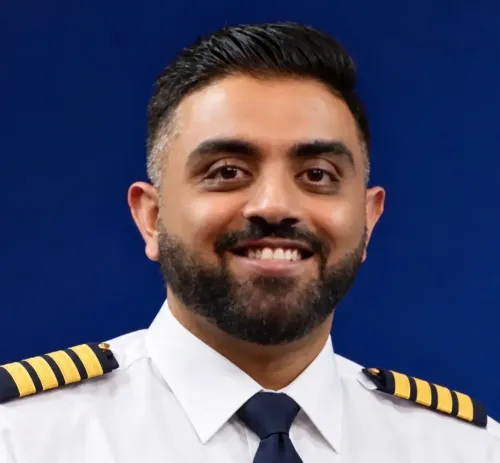
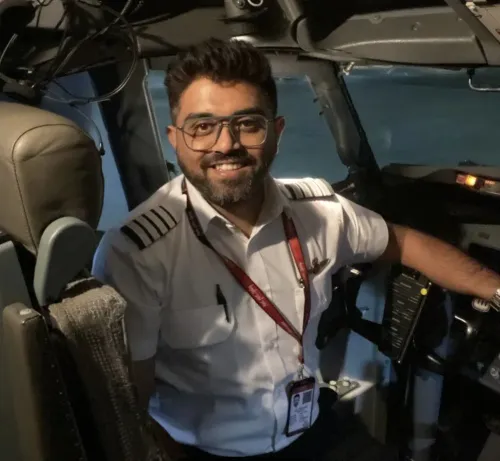
When a crisis struck mid-air, one young pilot from Maharashtra held his nerve — and brought everyone home safe. On Thursday, 1 October 2026, Maharashtra Chief Minister Devendra Fadnavis met the uncle and aunt of Captain Smit Machchhar to personally convey his admiration for the pilot's extraordinary act of courage that saved every life on board a stricken aircraft.
Fadnavis described the moment as 'अभिमानाचा क्षण' — 'a moment of pride' — for both Maharashtra and the nation. In his post, the Chief Minister credited Smit with displaying 'remarkable courage, presence of mind and a deep sense of responsibility' at a moment of grave danger, calling his bravery 'truly commendable.'
The gesture behind the meeting
Rather than a formal press event, Fadnavis chose a personal visit to Smit's family — meeting his uncle and aunt to pass on his appreciation directly. The choice signals more than a routine salute: it places the family at the centre of the tribute, acknowledging that behind every act of public heroism stands a household that raised the person capable of it.
The Chief Minister's post was bilingual — English and Marathi — and carried the tricolour emoji, framing Smit's act not merely as individual gallantry but as a point of national honour. 'Smit has made Maharashtra and India proud,' Fadnavis wrote, a line that maps the young captain's courage onto the larger idea of what the state and country expect of their own.
Smit Machchhar: a pilot who kept calm when it counted
Details of the specific incident aboard the aircraft have not been independently confirmed through this report, but the Chief Minister's account is unambiguous: in a situation described as 'grave danger,' Captain Smit Machchhar drew on training, instinct, and composure to prevent what could have been a catastrophe. Every passenger and crew member survived.
Aviation emergencies are, by design, managed by checklists, simulators, and years of drilled responses — but in the critical seconds when procedures run out, it is the individual at the controls who decides the outcome. That, in essence, is the story Fadnavis is honouring.
Smit Machchhar joins a quiet roster of Indian aviators whose names surface not on flight manifests but in moments of crisis — the kind of pilot every passenger hopes is up front, and rarely needs to know about.
Point of View
Honouring a local pilot's bravery also quietly reinforces Maharashtra's identity as a state that produces professionals of national consequence. The bilingual post and the tricolour framing are deliberate — they lift a local hero into a pan-India narrative. Expect formal state recognition to follow.
NationPress
1 Oct 2026
Frequently Asked Questions
Who is Captain Smit Machchhar?
Captain Smit Machchhar is a pilot from Maharashtra who was praised by Chief Minister Devendra Fadnavis for displaying extraordinary courage during an in-flight emergency, saving all lives on board.
What did Captain Smit Machchhar do to save lives?
According to CM Fadnavis, Captain Smit demonstrated remarkable courage, presence of mind, and a deep sense of responsibility during a moment of grave danger aboard his aircraft, enabling all passengers and crew to survive.
Why did CM Fadnavis meet Captain Smit Machchhar's family?
CM Devendra Fadnavis met Smit's uncle and aunt on 1 October 2026 to personally convey his appreciation for Smit's heroic actions and to honour the family behind the brave pilot.
What did Devendra Fadnavis say about Captain Smit?
Fadnavis said Smit displayed 'remarkable courage, presence of mind and a deep sense of responsibility' and that 'Smit has made Maharashtra and India proud,' calling it a moment of pride for the state and the nation.
Will Captain Smit Machchhar receive an official government award?
No formal award has been announced yet. CM Fadnavis's personal tribute and public recognition are the first official steps; a state or national gallantry honour could follow, though none has been confirmed.