ICC Playing Conditions 2025: Pink ball in day Tests, time-wasting penalties among key changes
Synopsis
The ICC has overhauled its Playing Conditions effective 1 October, with the two standout changes being a pink-ball trial for daytime Tests — a first in cricket history — and a three-strike penalty system for time-wasting batters. Combined with permanent leg-side wide rules and gender-specific ball specifications, this is the most comprehensive rewrite of cricket's match regulations in recent memory.
Key Takeaways
The ICC updated its Playing Conditions effective 1 October 2025 , covering all formats.
A pink ball trial in daytime Tests is permitted if both teams agree before the match — the first such allowance in cricket history.
Men's batters wasting time face a three-strike system: warning, final warning, then 5 penalty runs awarded to the fielding side.
A wicket in the final over of a day's play will no longer automatically end play early in red-ball cricket.
Fielders must now show 'complete control' over the ball to effect a run-out or stumping; overthrow definition tightened.
The leg-side wide interpretation trial has been permanently adopted in ODIs and T20Is; distinct ball specifications introduced for women's and junior cricket.
The International Cricket Council (ICC) on 1 October 2025 announced a sweeping set of revisions to its Playing Conditions across all formats, with two headline changes standing out: a trial permitting the pink ball in daytime Test matches and a tiered penalty system for men's batters who waste time. The updated regulations, which incorporate recent revisions to the MCC Laws of Cricket, take effect from 1 October and will govern all international series starting on or after that date. Ongoing series will continue under the previous rules.
Time-Wasting Crackdown in Men's Cricket
Under the refined conditions, a batter who is not ready to face within the stipulated time will first receive a warning, followed by a final warning on a second infraction. A third or subsequent violation will cost the batting side five penalty runs, with the possibility of formal Code of Conduct charges for persistent offenders. The move responds to long-standing concerns about deliberate time-wasting eroding over rates across Test and white-ball cricket.
Pink Ball Trial for Daytime Tests
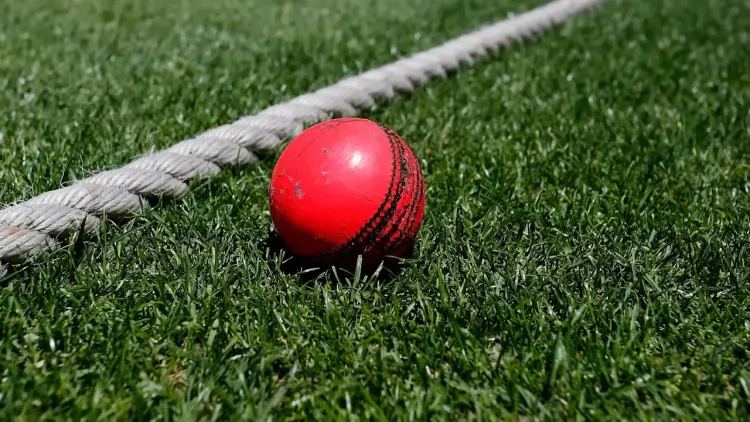
In a notable step for Test cricket, teams can now mutually agree before a match to use a pink ball in daytime conditions, primarily to reduce play lost to poor light — a recurring issue that has disrupted several high-profile red-ball contests. The ICC has drawn clear boundaries around the trial: 'The use of a pink ball must be agreed before the start of the Test and once agreed, must apply for the duration of the match. The decision cannot be changed after the match has started. Switching from a red ball to a pink ball is also not allowed once the match has commenced.' Pink balls are currently used in day-night Tests, but this is the first time their use in standard daytime Tests has been officially sanctioned.
End-of-Day Play, Fielding and Umpiring Tweaks
In red-ball cricket, a wicket falling during the final over of a day's play will no longer automatically trigger an early close, provided weather and light permit continuation. The ICC explained the reasoning: 'This change has been made because it does not save time as the remaining deliveries still need to be bowled the next day, while it will also reward the fielding team and keep drama in the game.'
Fielding regulations have been tightened as well. To effect a run-out or stumping, a fielder must now demonstrate 'complete control over the ball' — not merely touch it while the ball breaks the stumps. The definition of an overthrow has also been clarified: 'An overthrow is an attempt to direct the ball towards the stumps to prevent runs or effect a run-out. A misfield, whether an attempt to stop the ball or pass it to another fielder, does not constitute an overthrow.' Umpires have additionally been granted broader discretion over declaring the ball 'finally settled', with the ICC noting it no longer needs to be in the bowler's or wicketkeeper's hands to qualify.
Women's Cricket and White-Ball Format Changes
For women's cricket, tighter manufacturing tolerances have been introduced to establish distinct size and weight specifications for men's, women's, and junior cricket balls — ending the longstanding practice of using identical specifications for women's and junior equipment. In T20 Internationals, a fixed 15-minute innings interval will now apply, reducible to a minimum of 10 minutes when game time is lost. Head coaches or their designates are now officially permitted on the field during scheduled drinks breaks in ODI and T20I games. Separately, the leg-side wide interpretation trial — which gave bowlers leniency when batters moved just before or during delivery — has been permanently integrated into ODI and T20I playing conditions.
What the ICC and Ganguly Said
Sourav Ganguly, Chair of the ICC Men's Cricket Committee and former India captain and ex-BCCI President, said the changes reflect the evolving demands of the modern game. 'There are some important changes to the Playing Conditions, including provisions relating to cricket balls, greater clarity around certain aspects of fielding and measures aimed at improving the pace of the game. These changes have been carefully considered to ensure the Playing Conditions continue to reflect the needs of the modern game while maintaining its integrity and consistency,' Ganguly said. He is currently also the President of the Cricket Association of Bengal (CAB).
Gaurav Saxena, ICC General Manager – Events and Operations, described the process as 'a genuinely collaborative' one, adding: 'It was a pleasure to support the process and contribute to the detailed and thoughtful discussions around these changes to the Playing Conditions.' All revisions will be monitored through the upcoming international calendar, with the ICC expected to review trial outcomes before any permanent adoption decisions.
Point of View
And a direct financial deterrent on individual batters shifts accountability in a way team penalties never have. What is missing from the announcement is a clear review mechanism — when will the ICC decide whether the pink-ball trial becomes permanent? Without a published review window, this risks becoming a procedural footnote rather than a genuine reform.
NationPress
1 Oct 2026
Frequently Asked Questions
What is the ICC's new pink ball rule for Test cricket?
From 1 October 2025, both teams in a Test match can mutually agree before the start to use a pink ball in daytime conditions, primarily to reduce play lost to poor light. The decision is binding for the full match — switching back to a red ball once play begins is not permitted.
What happens if a batter wastes time under the new ICC rules?
Under the updated Playing Conditions, a men's batter who is not ready to face within the stipulated time receives a warning on the first offence, a final warning on the second, and five penalty runs are awarded to the fielding side from the third infraction onwards. Repeated violations can also attract Code of Conduct charges.
When do the new ICC Playing Conditions take effect?
The revised Playing Conditions are in effect from 1 October 2025 and apply to all international series beginning on or after that date. Ongoing international series continue under the previous regulations.
What changes have been made to women's cricket equipment?
The ICC has introduced tighter manufacturing tolerances to create separate size and weight specifications for men's, women's, and junior cricket balls, ending the practice of using identical specifications for women's and junior equipment.
What white-ball format changes did the ICC announce?
T20Is will now have a fixed 15-minute innings interval, reducible to 10 minutes when game time is lost. Head coaches or their designates may enter the field during drinks breaks in ODIs and T20Is. The leg-side wide interpretation trial — giving bowlers leniency when batters move before delivery — has been permanently adopted in both formats.