ICC approves pink ball trial in Tests, legside wides rule from October 2026
Synopsis
The ICC has greenlit a pink ball trial in Tests — with both teams' consent — to keep play going under lights when bad light looms. Paired with permanent legside wides adoption from October 2026, Hawk-Eye access for bowling-action reviews, and formal head-coach consultation at drinks, the Ahmedabad board meeting has reshaped how Test and T20I cricket will be administered.
Key Takeaways
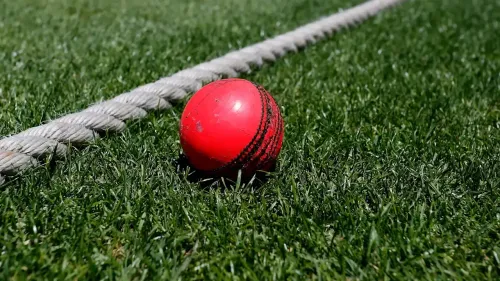
The ICC Board approved a pink ball trial in all Test matches to counter bad-light stoppages, requiring prior consent from both teams.
The ICC will co-fund lighting technology R&D with the MCC to reduce overs lost to poor light at venues.
Match officials can now access Hawk-Eye data when reporting suspected illegal bowling actions .
Head coaches or their designees may now consult teams during scheduled drinks intervals .
T20I matches will require a mandatory 15-minute interval ; batters must be ready at resumption of play.
The legside wides trial and all remaining MCC Laws of Cricket changes become permanent from 1 October 2026 .
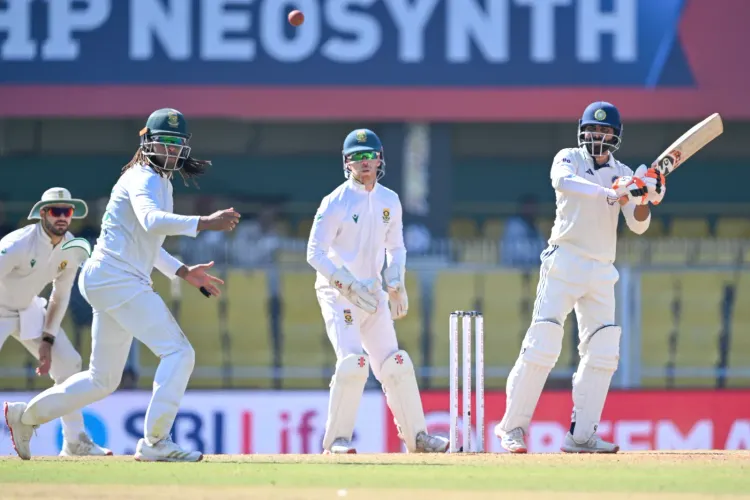
The International Cricket Council (ICC) has approved a trial of the pink ball in all Test matches to counter bad-light interruptions, allowing play to continue under floodlights. The decision was taken at the ICC Board meetings held in Ahmedabad on 1 June 2025, with the governing body releasing a formal statement on Monday outlining a sweeping set of rule changes aimed at modernising the game.
Key Decisions from the ICC Board Meeting
The Board approved several recommendations from the Chief Executives Committee, the most significant being the pink ball trial in Tests. Both teams must agree in advance before a pink ball is used in a given match, and the measure is designed to maximise playing time when bad light is anticipated. Alongside this, the ICC will co-fund research and development projects with the Marylebone Cricket Club (MCC) to explore improved lighting technology for match officials and venues — a longer-term structural fix to reduce overs lost to poor conditions.
Match officials have also been empowered to access Hawk-Eye data when evaluating and reporting suspected illegal bowling actions, bringing greater technological rigour to a process that has historically relied on visual assessment alone.
Playing Conditions Updated: Coaches, T20I Intervals, and Batter Readiness
In a notable change to team operations, head coaches or their designated representatives will now be permitted to consult with players during scheduled drinks intervals. This formalises on-field coaching access that was previously restricted, and could influence in-match tactical decisions at the highest level.
For the shortest format, T20I matches will now be required to have a mandatory 15-minute interval. Additionally, batters must be ready to resume play at the scheduled restart — a measure aimed at reducing time wasted between overs and at innings breaks.
Legside Wides Rule Made Permanent from October 2026
The ICC has confirmed the permanent adoption of the legside wides trial, along with all remaining MCC Laws of Cricket changes, effective 1 October 2026. The legside wides trial had been under evaluation across formats, and its full adoption signals the ICC's satisfaction with how it has functioned in competitive play. This is a meaningful shift in how umpires will adjudicate deliveries angled down the leg side.
Classification of Official Cricket Updated
The Board also approved updates to the Classification of Official Cricket, confirming that teams competing in the CWC Challenge League remain eligible to play other List A limited-overs matches during each Challenge League tournament cycle. The clarification protects the competitive calendar for associate and emerging cricket nations.
What This Means for the Game
Taken together, the changes reflect the ICC's dual focus: protecting playing time — particularly in the five-day format — while tightening administrative and officiating standards. The pink ball trial is the headline move, but the Hawk-Eye bowling-action provision and the permanent legside wides adoption carry equal long-term significance. The next phase will depend on how teams, broadcasters, and venues respond to the pink ball option in Test conditions, with findings expected to inform a more permanent policy decision.
Point of View
Which removes subjectivity from one of cricket's most contentious officiating calls. Meanwhile, making legside wides permanent closes a loophole that bowlers and captains had learned to exploit tactically — a quieter but structurally significant fix.
NationPress
15 Oct 2026
Frequently Asked Questions
What is the ICC pink ball trial in Test matches?
The ICC has approved a trial allowing teams to use a pink ball in Test matches to avoid bad-light interruptions, enabling play to continue under floodlights. Both teams must agree in advance before the pink ball is used in any given match.
When will the legside wides rule become permanent?
The permanent adoption of the legside wides rule, along with all remaining MCC Laws of Cricket changes, takes effect from 1 October 2026. The rule had been under trial across formats before the ICC Board confirmed its full adoption.
How will Hawk-Eye be used for bowling actions?
Match officials have been granted access to Hawk-Eye data when evaluating and reporting suspected illegal bowling actions. This brings greater technological consistency to a process that previously relied primarily on visual assessment by on-field umpires.
What changed for head coaches under the new ICC playing conditions?
Head coaches or their designated representatives are now permitted to consult with players during scheduled drinks intervals. This formalises coaching access that was previously restricted during the course of play.
What is the new T20I interval rule?
T20I matches must now have a mandatory 15-minute interval. Batters are also required to be ready to resume play at the scheduled restart, reducing time lost between innings and during stoppages.