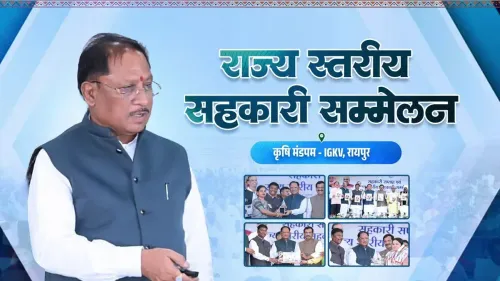
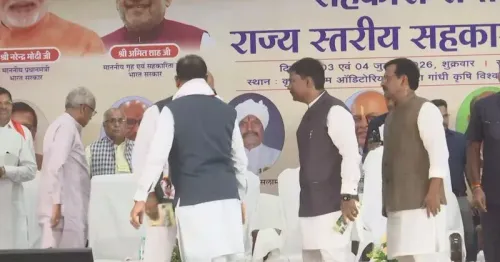
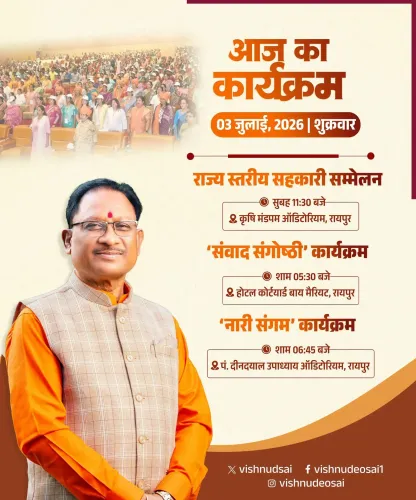
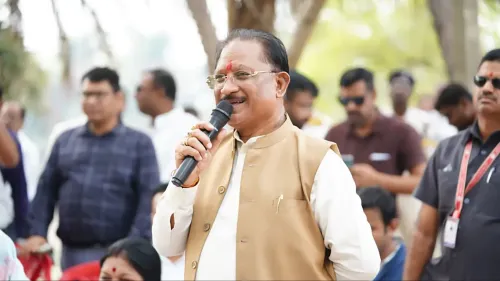
CM Sai attends state cooperative conference in Raipur
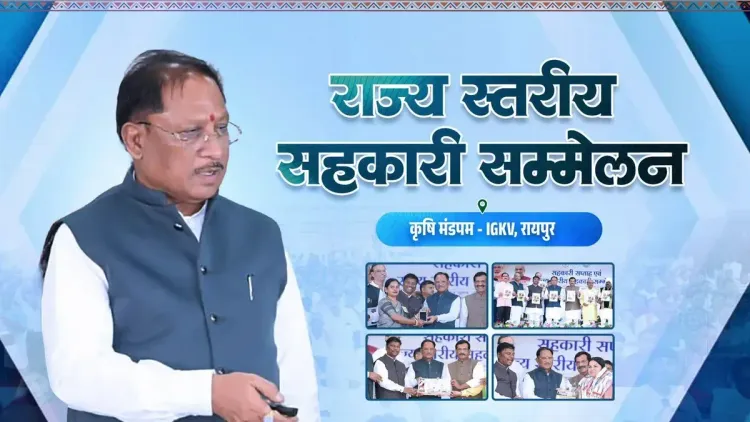
Synopsis
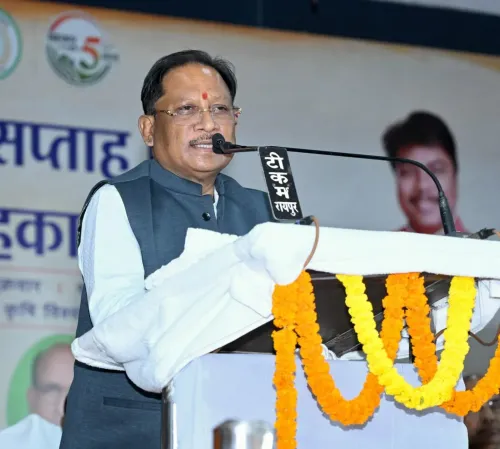
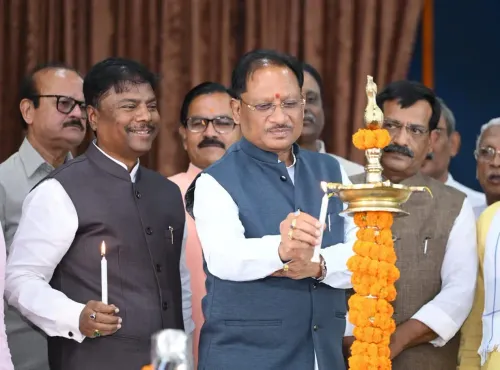
Chhattisgarh CM Vishnu Deo Sai attended a state-level cooperative conference in Raipur during Cooperative Week on 3 July 2026, invoking the 'Sahakar se Samriddhi' pledge to empower farmers and rural communities through a stronger cooperative network.
Key Takeaways
CM Vishnu Deo Sai attended the state-level cooperative conference in Raipur on 3 July 2026 under the national Cooperative Week observance.
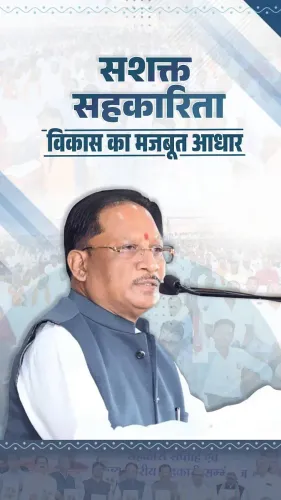
He described cooperatives as the 'strong axis of rural development' and reaffirmed the 'Sahakar se Samriddhi' commitment.
The Ministry of Cooperation , established by the Government of India in July 2021 , provides the national policy framework underpinning the event.
The Chhattisgarh BJP government, in power since December 2023 , has positioned cooperatives as central to rural welfare in the state.
Key stakeholders include small farmers , rural communities and cooperative credit and marketing institutions across Chhattisgarh.
Outcomes to watch include new cooperative registrations, credit scheme expansions and the state's role in national cooperative policy reviews.
Chhattisgarh Chief Minister Vishnu Deo Sai attended a state-level cooperative conference in Raipur on 3 July 2026 as part of the national Cooperative Week observance, reaffirming his government's commitment to strengthening the cooperative sector as a driver of rural development.
Context
Posting in Hindi on X, CM Sai described cooperatives as 'ग्रामीण विकास की मजबूत धुरी' ('the strong axis of rural development') and said his government is giving continuous momentum to building a developed Chhattisgarh through farmers, rural communities and cooperative institutions. The conference was held under the banner of Cooperative Week, an annual national observance aimed at promoting the cooperative movement across India.
Sai invoked the slogan 'Sahakar se Samriddhi' ('Prosperity through Cooperation'), which has become the central rallying cry of India's national cooperative push since the creation of a dedicated Ministry of Cooperation by the Government of India in July 2021.
Policy Backdrop
The establishment of the Ministry of Cooperation marked a structural shift in how the central government treats the cooperative sector, giving it a focused ministry for the first time. The 'Sahakar se Samriddhi' initiative that followed aimed to revitalise primary agricultural credit societies and expand the cooperative model into credit, marketing and processing — well beyond its traditional base in dairy.
Chhattisgarh, a state with a large rural and tribal population, has significant dependence on agriculture and cooperative credit institutions. Since assuming office in December 2023 following the state assembly elections, CM Sai and the BJP government in Chhattisgarh have positioned cooperatives as a key vehicle for rural welfare and economic development.
Stakeholders and Impact
The primary beneficiaries of a strengthened cooperative network in Chhattisgarh are small and marginal farmers, rural communities and the cooperative institutions themselves — which provide credit, input supply and marketing linkages that are often unavailable through commercial channels in remote areas.
State-level conferences of this kind typically serve as platforms for reviewing the performance of existing cooperative societies, identifying gaps in coverage and signalling policy priorities to district-level administrators and cooperative officials. The Raipur conference brings together stakeholders from across the state to align with both the national cooperative policy direction and Chhattisgarh's own rural development agenda.
What's Next
Attention will now turn to whether the Raipur conference produces concrete follow-through — including new cooperative society registrations, expansion of credit facilities to underserved rural blocks, or fresh linkages with central schemes. Chhattisgarh's engagement in upcoming national cooperative policy reviews will also be a marker of how deeply the state integrates the 'Sahakar se Samriddhi' framework into its governance roadmap. For a state where agriculture and rural livelihoods remain central, the trajectory of the cooperative sector will have direct bearing on the BJP government's development narrative ahead of future electoral cycles.
Point of View
Investing political capital in cooperative institutions is both a development imperative and a strategic calculation. The event also reflects a broader pattern across BJP-ruled states of synchronising state-level cooperative activity with the national ministry's agenda, reinforcing a unified party narrative on rural prosperity. Whether this translates into measurable outcomes — expanded credit access, new society registrations — will determine how much political dividend the government can extract from the cooperative push.
NationPress
4 Jul 2026
Frequently Asked Questions
What is Cooperative Week in India?
Cooperative Week is an annual national observance held in India, typically in July, to promote the cooperative movement and its role in rural economic development. States across India hold conferences and events during this week to review cooperative sector performance and align with national policy goals.
What is 'Sahakar se Samriddhi'?
'Sahakar se Samriddhi' means 'Prosperity through Cooperation' and is the central government's initiative to strengthen primary agricultural credit societies and expand the cooperative model into credit, marketing and processing sectors. It has been widely adopted by BJP-ruled states as a guiding slogan for cooperative policy.
When did Vishnu Deo Sai become Chief Minister of Chhattisgarh?
Vishnu Deo Sai assumed office as Chief Minister of Chhattisgarh in December 2023 after the BJP won the state assembly elections.
Why was the cooperative conference held in Raipur?
Raipur is the capital of Chhattisgarh and the natural venue for state-level government events. The conference was organised as part of the national Cooperative Week to bring together cooperative officials, farmers and rural stakeholders from across the state.
How does the cooperative sector affect farmers in Chhattisgarh?
Cooperatives in Chhattisgarh provide small and marginal farmers with access to agricultural credit, input supply and marketing linkages that are often unavailable through commercial banks or markets, making them a critical part of rural livelihoods in the state.