CM Sai Echoes Modi's Anti-Terror Vow: Balakot to Op Sindoor
Synopsis
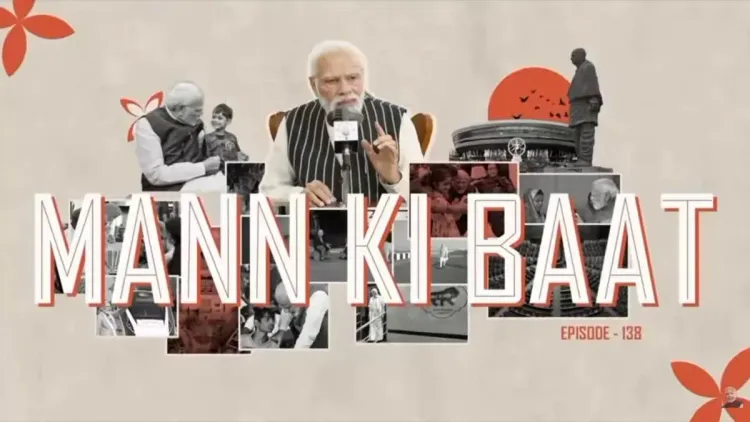
Chhattisgarh CM Vishnu Deo Sai amplified PM Modi's 138th Mann Ki Baat address on 27 September 2026, quoting a vow that India's decade-long arc — from the Balakot airstrike to Operation Sindoor — proves terrorists will always face a befitting reply.
Key Takeaways
CM Vishnu Deo Sai shared a quote from PM Modi's 138th Mann Ki Baat episode on 27 September 2026 , amplifying India's anti-terror deterrence message.
Modi's quoted words frame the past decade — from the 2019 Balakot airstrike to Operation Sindoor — as a consistent pattern of military resolve against cross-border terrorism.
India's assertive security doctrine began taking shape after the September 2016 Uri attack , when cross-border surgical strikes marked a departure from strategic restraint.
The Balakot airstrike targeted a Jaish-e-Mohammed camp in Pakistan following the Pulwama attack that killed 40 CRPF personnel .
State-level BJP leaders routinely amplify central security narratives online, extending the reach of Mann Ki Baat well beyond its radio audience.
Chhattisgarh's own prolonged internal security experience lends added weight to CM Sai's endorsement of a zero-tolerance deterrence posture.
From the skies over Balakot to the swift precision of Operation Sindoor, India's answer to cross-border terror has grown sharper, louder, and unambiguous — and on 27 September 2026, Chhattisgarh Chief Minister Vishnu Deo Sai made sure that message reverberated from Raipur's political corridors all the way to every citizen's timeline.
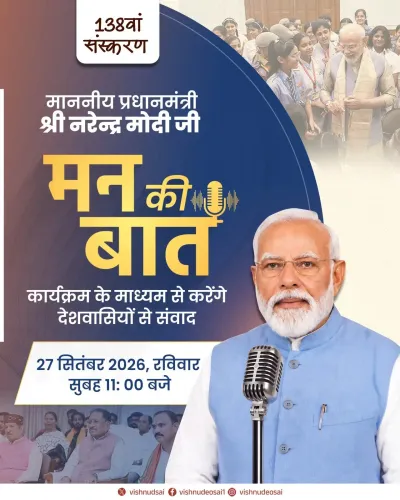
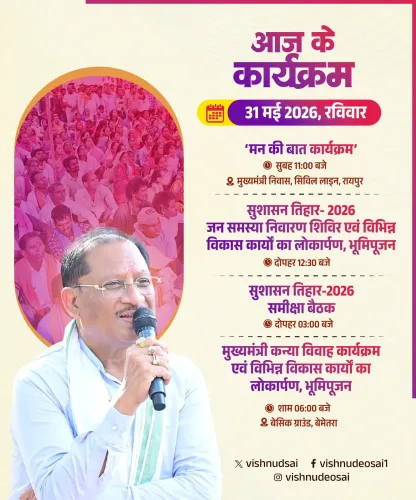
Sharing a pointed quote from Prime Minister Narendra Modi's 138th Mann Ki Baat episode, CM Sai amplified what has become India's defining security doctrine of the last decade. Modi's words, as quoted by Sai, translate to: 'In the past one decade, from the Balakot airstrike to Operation Sindoor, India has repeatedly sent a clear message — if terrorists dare to raise their eyes at India, a befitting reply will be given.'
The Deterrence Arc: Uri to Balakot to Beyond
The doctrine did not emerge overnight. After the September 2016 Uri attack, India executed cross-border surgical strikes on terrorist launchpads — a break from the earlier policy of absorbing provocations through diplomacy alone. Then came February 2019: the Balakot airstrike, India's first air-to-ground offensive strike inside Pakistani territory since 1971, targeting a Jaish-e-Mohammed training facility following the Pulwama suicide bombing that killed 40 CRPF personnel. The message was kinetic, not rhetorical. Operation Sindoor, referenced alongside Balakot in Modi's Mann Ki Baat remarks, represents the latest data point in this trajectory — one that, in the Prime Minister's framing, cements a pattern of demonstrated military will rather than declaratory posture.Mann Ki Baat as a Security Messaging Platform
Mann Ki Baat, Modi's monthly unscripted radio address to the nation, has over its more than 130 editions evolved into something beyond a public-outreach programme. It regularly serves as a platform to consolidate national narratives — on defence, grassroots development, and cultural pride. The choice to anchor the 138th edition around a decade-long anti-terror deterrence arc is deliberate: it casts individual military operations not as isolated events but as chapters in a coherent, ongoing strategic story. State-level BJP leaders, including CM Sai, have consistently amplified central security narratives on social media — extending the reach of Mann Ki Baat's messaging from All India Radio's broadcast audience to digitally-connected urban and semi-urban voters in states like Chhattisgarh, itself no stranger to internal security challenges given its long history with left-wing extremism.Why Chhattisgarh's CM Is Carrying This Message
Sai's decision to quote this particular passage is not incidental. Chhattisgarh has waged its own gruelling internal security battle for decades, and a Chief Minister who governs a state that understands the cost of non-state violence has particular credibility in underlining zero-tolerance deterrence. The alignment between central security doctrine and state-level political communication is seamless — and purposeful. The broader pattern is clear: India's security posture, once described by critics as 'strategic restraint', has been systematically reframed by the current government as 'strategic resolve'. Every Mann Ki Baat citation, every social-media amplification by a state CM, adds another brick to that narrative edifice. If the last decade was about proving the doctrine works, the next test will be whether it holds — and deters.Point of View
Projecting India's military actions as doctrine rather than impulse. For Chhattisgarh, a state that has battled left-wing extremism for decades, CM Sai's endorsement of a firm anti-terror posture also has domestic political resonance. The cumulative effect is a feedback loop: central messaging sets the tone, state leaders amplify it, and the doctrine narrative grows more deeply embedded in public discourse.
NationPress
27 Sept 2026
Frequently Asked Questions
What is Operation Sindoor India?
Operation Sindoor is referenced by PM Modi in his Mann Ki Baat address as the latest in India's series of military responses to cross-border terrorism, placed alongside the 2019 Balakot airstrike as evidence of a sustained deterrence doctrine.
What was the Balakot airstrike?
The Balakot airstrike took place in February 2019 , when the Indian Air Force struck a Jaish-e-Mohammed training camp in Pakistan's Khyber Pakhtunkhwa province following the Pulwama suicide attack that killed 40 CRPF soldiers .
What is Mann Ki Baat and how often does Modi deliver it?
Mann Ki Baat is Prime Minister Narendra Modi's monthly radio address to the nation, broadcast on All India Radio. The 138th edition aired on 27 September 2026 and covered India's decade-long anti-terror deterrence posture.
Why did Chhattisgarh CM Vishnu Deo Sai share Modi's Mann Ki Baat quote?
CM Sai shared the quote to amplify the BJP-led central government's anti-terror deterrence narrative on social media. As a Chief Minister of a state with its own significant internal security history, his endorsement carries added credibility.
What changed in India's anti-terror policy after the 2016 Uri attack?
After the Uri attack in September 2016 , India conducted cross-border surgical strikes on terrorist launchpads in Pakistan-administered territory, marking a decisive shift from strategic restraint toward demonstrated military responses to cross-border terrorism.