CM Sai chairs Chhattisgarh Industry Dialogue on Green Steel
Synopsis
Chhattisgarh Chief Minister Vishnu Deo Sai participated in the Chhattisgarh Industry Dialogue on Green Steel on 13 August 2026, positioning the state's major steel sector toward low-carbon production pathways aligned with India's 2070 net-zero commitment.
Key Takeaways
CM Vishnu Deo Sai participated in the Chhattisgarh Industry Dialogue on Green Steel on 13 August 2026 .
Chhattisgarh is a leading steel-producing state, home to the Bhilai Steel Plant and extensive private mills.
India committed to net-zero emissions by 2070 at COP26 in 2021 , identifying steel as a hard-to-abate sector.
Green steel pathways under discussion include hydrogen-based iron reduction and renewable energy integration in existing plants.
No central mandate currently exists for green steel production, making state-level dialogues early-mover efforts.
Any follow-up state policy or pilot project will be a key indicator of whether the dialogue translates into action.
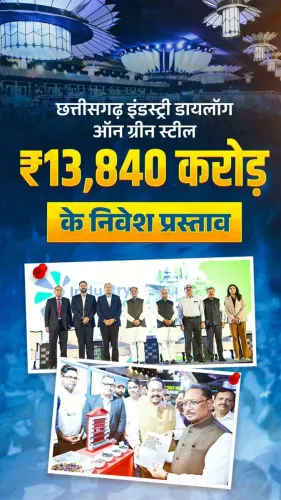
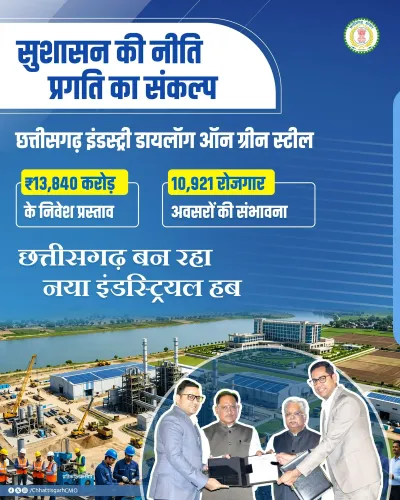
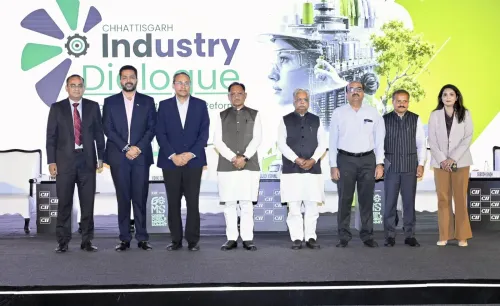
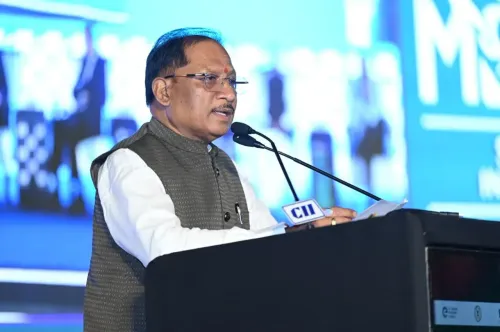
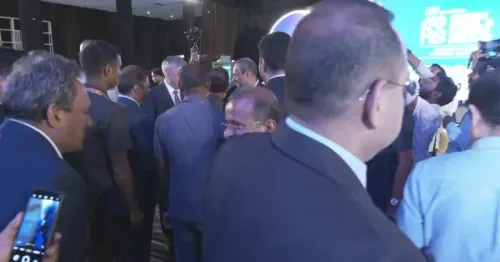
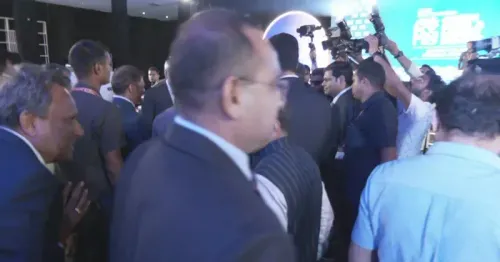
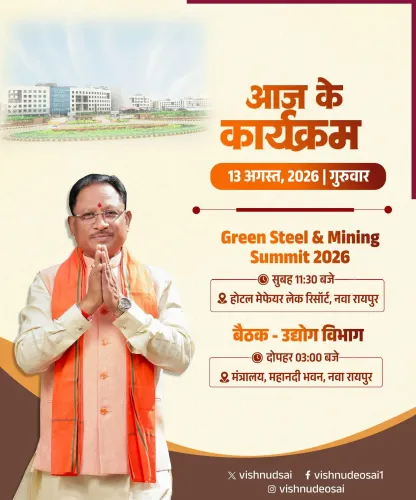
Chhattisgarh is staking its industrial future on cleaner iron. Chief Minister Vishnu Deo Sai participated in the Chhattisgarh Industry Dialogue on Green Steel on Thursday, 13 August 2026, signalling the state's intent to align its vast steel sector with India's long-term decarbonisation goals.
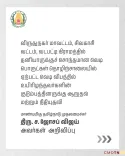
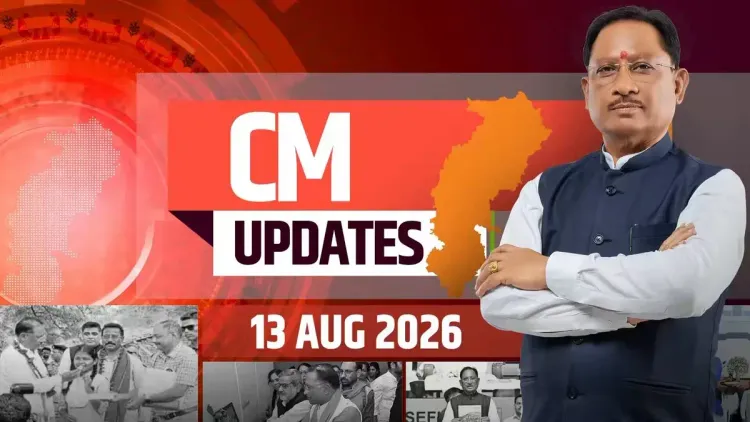
Posting on X, CM Sai flagged the event as one of several significant developments of the day, describing it as part of a broader set of important updates — 'CM Updates: Chhattisgarh Industry Dialogue on Green Steel karyakram sahit anya mahatvapurn khabren' (CM Updates: The Chhattisgarh Industry Dialogue on Green Steel programme, along with other important news).
Why Chhattisgarh is central to India's green steel push
Chhattisgarh is not a peripheral player in Indian steel — it is one of the country's primary production hubs, anchored by the iconic Bhilai Steel Plant and a dense network of private mills fed by the state's rich mineral belt. That industrial weight makes it both a significant source of carbon emissions and a state whose choices on decarbonisation carry outsized national consequence. At COP26 in 2021, India committed to net-zero emissions by 2070, and steel was immediately identified as a 'hard-to-abate' sector — one where decarbonisation requires structural shifts, not just efficiency tweaks. Green steel dialogues of this kind typically centre on two pathways: hydrogen-based direct reduction of iron ore, which eliminates coking coal from the process, and deep integration of renewable energy into existing electric arc furnaces.State-level momentum before central policy catches up
What makes the Chhattisgarh Industry Dialogue on Green Steel notable is its timing and framing. No new central legislation currently mandates green steel procurement or production targets, yet state governments are increasingly convening industry, researchers, and policymakers to map transition pathways. Chhattisgarh's move fits a growing pattern: states acting as first movers, building consensus and piloting ideas before federal frameworks arrive. The watch-point now is whether the dialogue produces concrete follow-up — a state green steel policy, a pilot hydrogen project tied to an existing plant, or procurement preferences for public infrastructure. A dialogue is a beginning; the architecture that follows it will determine whether Chhattisgarh's steel belt bends toward net-zero or stays locked in carbon-intensive production for another generation.Point of View
Historically defined by carbon-heavy blast-furnace production, on the right side of an inevitable industrial transition. For the BJP government in the state, it also serves a dual political purpose: demonstrating climate seriousness to investors and multilateral bodies while reassuring the steel industry that the transition will be managed, not imposed. The deeper question is whether this dialogue becomes policy architecture or remains a photo-opportunity; Chhattisgarh's sheer production scale means the answer will shape India's overall decarbonisation credibility in the steel sector.
NationPress
13 Aug 2026
Frequently Asked Questions
What is the Chhattisgarh Industry Dialogue on Green Steel?
It is a state-level forum convened to explore pathways for reducing carbon emissions in Chhattisgarh's steel industry, focusing on technologies like hydrogen-based iron reduction and renewable energy integration.
Why is Chhattisgarh important for India's green steel goals?
Chhattisgarh is one of India's largest steel-producing states, home to the Bhilai Steel Plant and numerous private mills, making its decarbonisation choices critical to national climate targets.
What is India's net-zero target and how does steel fit in?
India committed to achieving net-zero emissions by 2070 at COP26 in 2021. Steel was identified as a 'hard-to-abate' sector requiring dedicated low-carbon production strategies.
What is green steel and how is it produced?
Green steel is produced using low- or zero-carbon methods, primarily hydrogen-based direct reduction of iron ore or electric arc furnaces powered by renewable energy, replacing traditional coal-dependent blast furnaces.
What should we watch for after this dialogue?
Key follow-ups include any Chhattisgarh state green steel policy announcement, pilot projects at existing plants, or procurement incentives that would translate the dialogue into binding industrial action.