CM Sai to Chair UNICEF Meet, Cabinet Session at Mahanadi Bhawan
Synopsis
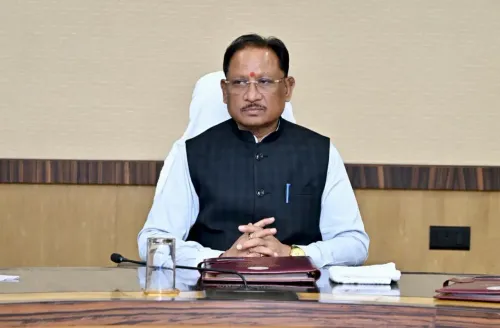
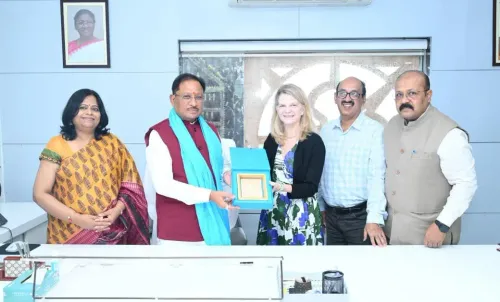
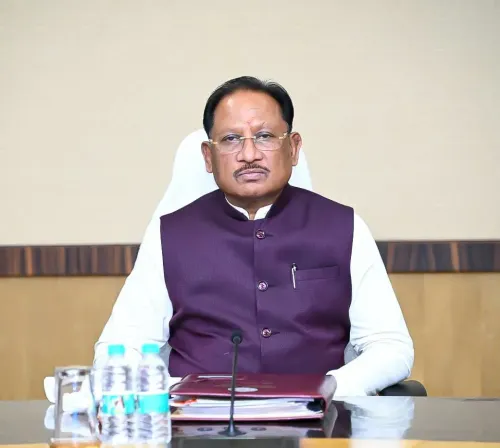
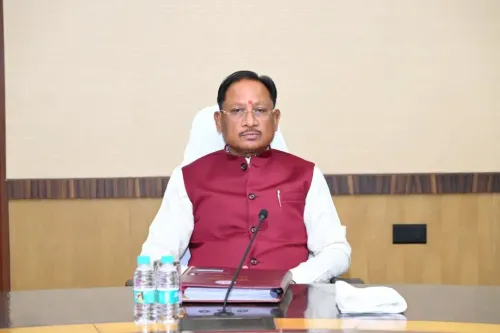
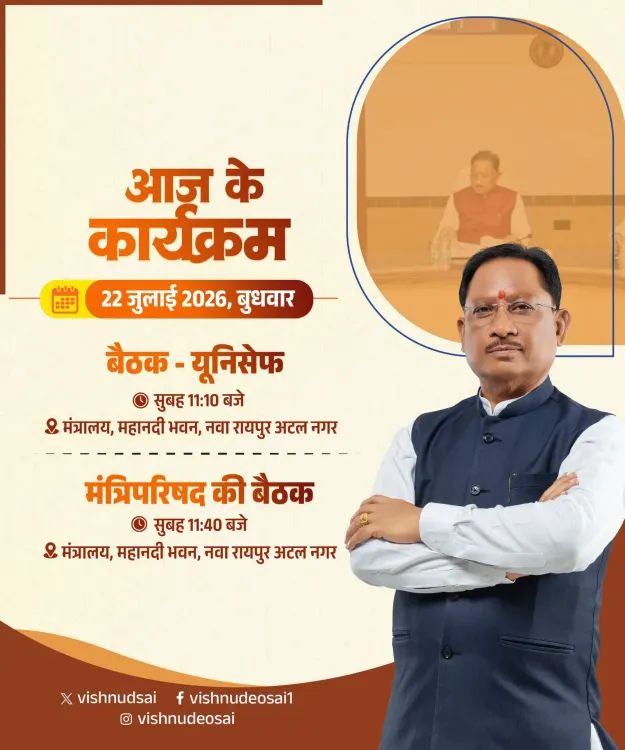
Chhattisgarh Chief Minister Vishnu Deo Sai announced on 22 July 2026 that he would attend a UNICEF meeting and a Cabinet session at Mahanadi Bhawan, Raipur, with discussions focused on the state's development, good governance, and public welfare.
Key Takeaways
Chief Minister Vishnu Deo Sai is attending both a UNICEF meeting and a Cabinet meeting at Mahanadi Bhawan, Raipur on 22 July 2026 .
The sessions will cover development, good governance (su-shasan), and public welfare of Chhattisgarh.
UNICEF partners with Indian states on child nutrition, health, education, and protection aligned with Sustainable Development Goals.
The BJP government in Chhattisgarh has made administrative reform and welfare convergence central to its agenda since December 2023 .
Follow-up Cabinet orders or new UNICEF -supported district pilots may emerge from the day's meetings.
Chhattisgarh Chief Minister Vishnu Deo Sai announced on Wednesday, 22 July 2026, that he would attend a UNICEF meeting and a Cabinet meeting at Mahanadi Bhawan, Raipur, with discussions centred on the state's development, good governance, and public welfare.
In his post, the Chief Minister wrote: 'Aaj mantralaya, Mahanadi Bhawan mein aayojit UNICEF ki baithak tatha mantriparishad ki baithak mein sammilit rahunga.' ('Today I will participate in the UNICEF meeting and the Cabinet meeting organised at the secretariat, Mahanadi Bhawan.') He added that important subjects related to the development, good governance, and public welfare of the state would be discussed during the sessions.
Context
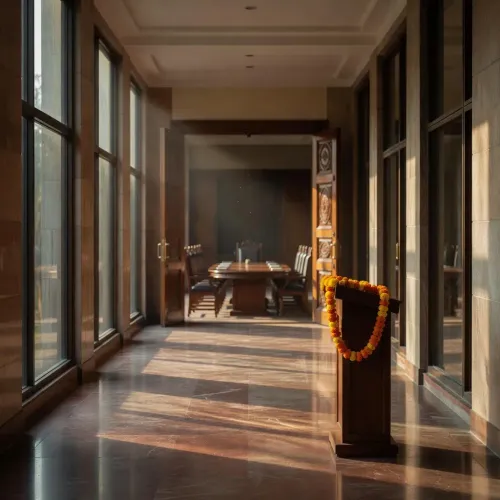
Mahanadi Bhawan serves as Chhattisgarh's state secretariat in Raipur and is the primary venue for Cabinet deliberations and high-level inter-agency meetings. Hosting a UNICEF engagement and a full Cabinet session on the same day signals a coordinated administrative push, bringing together international development priorities and executive decision-making under one roof.
Chief Minister Sai, who took office in December 2023 following the BJP's victory in the Chhattisgarh assembly elections, has consistently framed his administration's agenda around the Hindi concept of 'su-shasan' (good governance) alongside welfare delivery to citizens.
Policy Backdrop
UNICEF maintains active partnerships with Indian state governments to align local schemes with child-related Sustainable Development Goals, covering areas such as child nutrition, health, education, and protection. Chhattisgarh has sustained such engagement across successive administrations, and meetings of this kind typically explore district-level pilots and programme convergence between state departments and the UN agency.
The BJP government in Chhattisgarh has, since its return to power, placed administrative reform and welfare convergence at the centre of its governance narrative. Joint sessions with international bodies like UNICEF form part of that broader effort to benchmark state programmes against national and global standards.
Stakeholders and Impact
The primary beneficiaries of any outcomes from the UNICEF meeting would be Chhattisgarh's children and vulnerable communities, whose welfare programmes are often shaped by such inter-agency consultations. The state Cabinet session, meanwhile, is expected to address a wider set of governance and public welfare decisions affecting the state's population at large.
State department officials, district administrators, and programme officers stand to receive fresh directives depending on the decisions taken in the Cabinet meeting. Any convergence agreed upon with UNICEF could influence how funds and field resources are deployed across the state's districts.
What's Next
Observers will watch for follow-up Cabinet orders, joint statements, or new programme announcements emerging from the 22 July sessions at Mahanadi Bhawan. Any new UNICEF-supported district pilots or welfare scheme revisions sanctioned by the Cabinet would represent the tangible output of the day's deliberations.
The dual-meeting format — combining an international agency consultation with a full Cabinet sitting — suggests the Sai government is seeking to embed global development frameworks directly into its state-level policy cycle, a pattern that could set the tone for Chhattisgarh's welfare and governance agenda in the months ahead.
Point of View
Translating the meeting's agenda into measurable on-ground outcomes.
NationPress
21 Oct 2026
Frequently Asked Questions
Why is Chhattisgarh CM Vishnu Deo Sai meeting UNICEF?
Chief Minister Vishnu Deo Sai is meeting UNICEF at Mahanadi Bhawan on 22 July 2026 to discuss important subjects related to the state's development, good governance, and public welfare. UNICEF partners with Indian states on child nutrition, health, education, and protection programmes.
What is Mahanadi Bhawan in Raipur?
Mahanadi Bhawan is the Chhattisgarh state secretariat located in Raipur. It serves as the primary venue for Cabinet meetings and high-level inter-agency consultations.
What is the UNICEF role in Chhattisgarh?
UNICEF works with the Chhattisgarh government to align state welfare schemes with child-related Sustainable Development Goals, focusing on areas such as child nutrition, health, education, and protection.
When did Vishnu Deo Sai become Chief Minister of Chhattisgarh?
Vishnu Deo Sai became Chief Minister of Chhattisgarh in December 2023 after the BJP won the state assembly elections.
What decisions are expected from the Chhattisgarh Cabinet meeting on 22 July 2026?
The specific agenda and decisions of the 22 July 2026 Cabinet meeting have not been officially disclosed. Follow-up Cabinet orders, welfare scheme revisions, or new UNICEF-supported district pilots may be announced after the sessions conclude.