CM Sai Champions Mahatari Vandan Yojana for Women
Synopsis
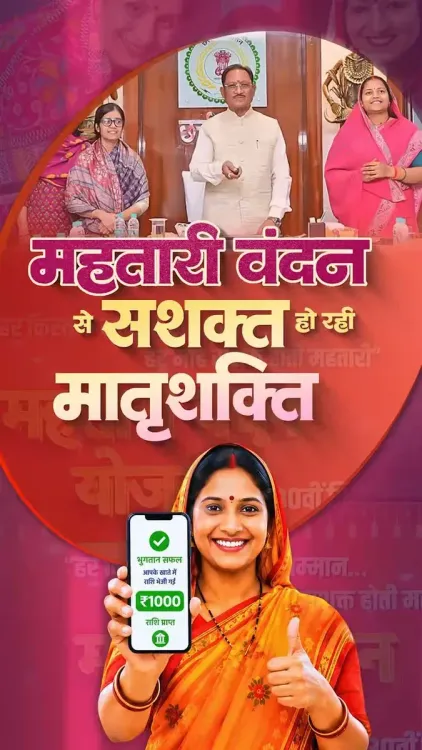
Chhattisgarh Chief Minister Vishnu Deo Sai on 11 August 2026 highlighted the Mahatari Vandan Yojana, framing the monthly cash transfer scheme as the fulfilment of PM Modi's electoral guarantee and a foundation for women's financial independence across the state.
Key Takeaways
CM Vishnu Deo Sai on 11 August 2026 publicly championed the Mahatari Vandan Yojana as a cornerstone of women's empowerment in Chhattisgarh.
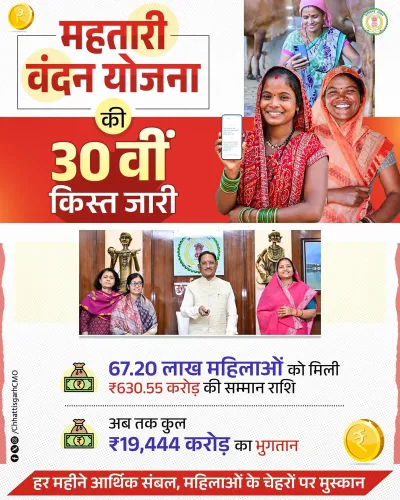
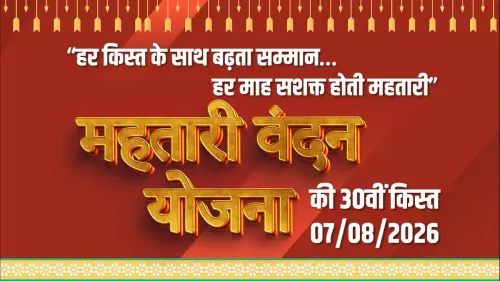
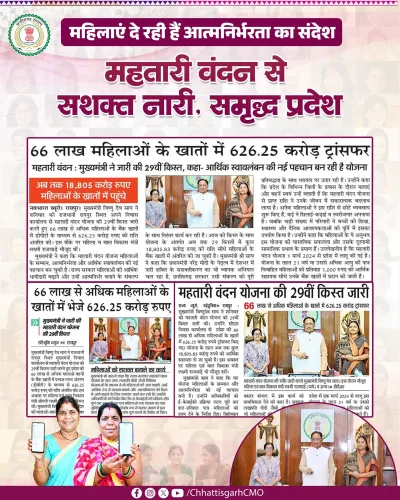
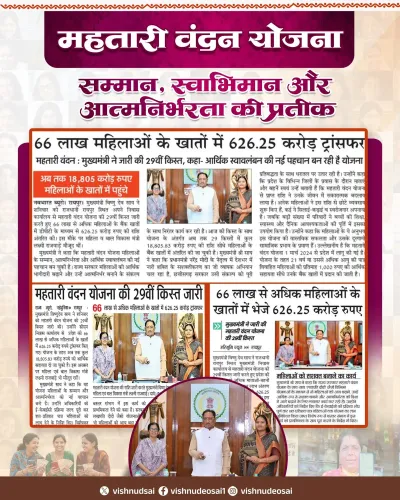
The scheme provides a monthly cash transfer to women across the state, aimed at boosting financial autonomy and household decision-making power.
Sai explicitly linked the programme to PM Narendra Modi's pre-election guarantee , framing state delivery as fulfilment of a national promise.
The scheme was introduced after the BJP's 2023 Chhattisgarh assembly election victory , with Sai taking office in December 2023 .
Similar women-focused direct benefit transfer models have been adopted in other BJP-governed states , including Madhya Pradesh .
Disbursement figures and programme scope are expected to face scrutiny in the next Chhattisgarh budget session .
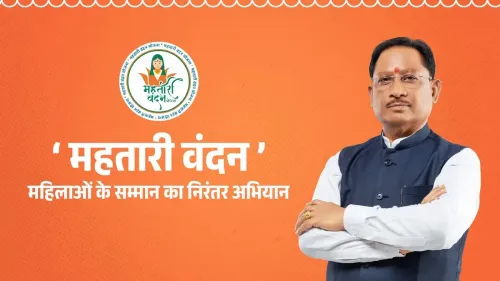
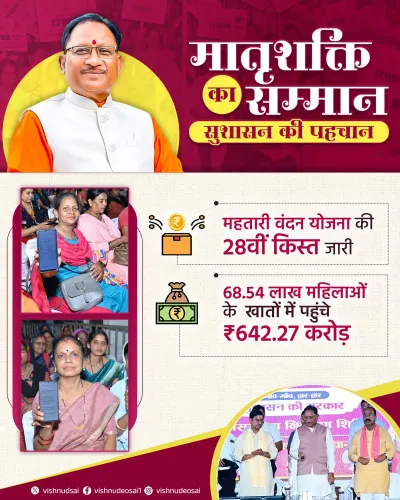
Every month, a quiet transfer of money into millions of accounts is reshaping how women in Chhattisgarh make decisions at home — and Chief Minister Vishnu Deo Sai wants the country to know it. On Tuesday, 11 August 2026, Sai took to X to champion the Mahatari Vandan Yojana, calling it the backbone of a prosperous society built on respect and self-reliance for women.
In his post, Sai wrote: 'Maatrishakti ka samman aur swavalamban hi samridh samaj ki mazboot neev hai' — 'Respect for women and their self-reliance is the strong foundation of a prosperous society.' He framed the scheme as the fulfilment of Prime Minister Narendra Modi's electoral guarantee, describing the monthly cash assistance as a tool that makes women 'more capable and self-reliant in decisions related to their families.'
What Mahatari Vandan Yojana Does
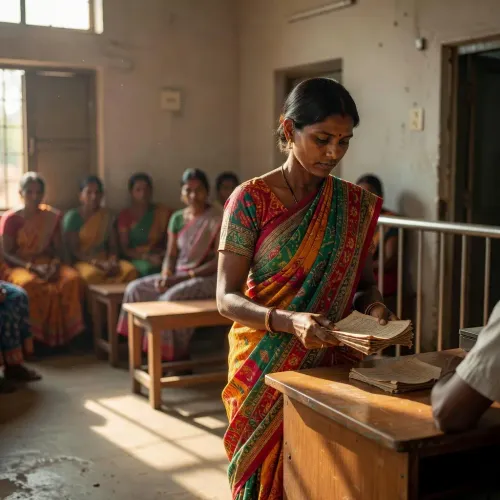
Launched after the BJP's victory in the 2023 Chhattisgarh assembly elections, the Mahatari Vandan Yojana is a direct cash transfer scheme targeting women across the state. The programme sits within a broader BJP governance model that ties women's financial autonomy to state-level welfare delivery — a playbook also deployed in Madhya Pradesh through comparable schemes.
The logic is straightforward: put money directly in a woman's hands, and her standing inside the household shifts. Sai's post leans into exactly that argument, positioning the monthly disbursement not just as financial aid but as a confidence-builder — a phrase that signals the government is pitching this as social transformation, not charity.
Modi's Guarantee, Sai's Delivery
The explicit link to Modi's pre-election promise is deliberate. Sai, who assumed office in December 2023, has consistently framed his administration's welfare agenda as the execution arm of the Prime Minister's national vision. By invoking that guarantee in the context of a functioning monthly payout, the Chief Minister is making a governance credibility claim — we said it, we did it.
Across India, direct benefit transfers to women have become one of the most contested and closely watched instruments of state policy. Critics debate their fiscal sustainability; supporters point to measurable shifts in women's agency within households. Chhattisgarh's version will face its own test when the state's next budget session revisits disbursement figures and programme scope.
Sai closed his message with a declaration: 'Sashakt maatrishakti ke saamarthya se hi viksit Chhattisgarh ka sankalp saakaar hoga' — 'The resolve of a developed Chhattisgarh will be realised through the strength of empowered women.' The ambition is clear. Whether the monthly transfer becomes the transformative force the government promises is the question Chhattisgarh's next budget will begin to answer.
Point of View
A pattern that reinforces the party's top-down narrative cohesion ahead of any electoral cycle. Direct benefit transfers to women have become a key differentiator in BJP-governed states, and Chhattisgarh's iteration will be watched as a benchmark for whether the model sustains beyond its launch momentum. The real test arrives at the next budget session, where disbursement data and fiscal headroom will either validate or complicate the government's empowerment claims.
NationPress
11 Aug 2026
Frequently Asked Questions
What is Mahatari Vandan Yojana in Chhattisgarh?
Mahatari Vandan Yojana is a Chhattisgarh state government scheme that provides monthly financial assistance directly to women, aimed at boosting their economic independence and decision-making power within families. It was introduced after the BJP's 2023 assembly election victory.
Who launched Mahatari Vandan Yojana?
The scheme was launched by the BJP government in Chhattisgarh under Chief Minister Vishnu Deo Sai, who took office in December 2023, as part of the party's pre-election welfare guarantees linked to PM Narendra Modi.
What did CM Vishnu Deo Sai say about women empowerment in Chhattisgarh?
On 11 August 2026, CM Sai stated that respect for women and their self-reliance is the foundation of a prosperous society, and that the Mahatari Vandan Yojana is making women more capable and self-reliant in family decisions through monthly financial assistance.
Is Mahatari Vandan Yojana similar to schemes in other states?
Yes. Similar direct cash transfer schemes targeting women exist in other BJP-governed states, notably Madhya Pradesh. These programmes share a common model of enhancing women's financial autonomy through monthly government-to-beneficiary transfers.
How does Mahatari Vandan Yojana relate to Modi's guarantee?
The scheme is framed by the Chhattisgarh government as the fulfilment of a welfare promise made by PM Narendra Modi during the 2023 election campaign, positioning the monthly payout as a direct delivery of that pre-election commitment.