Assam's 39 lakh women entrepreneurs get push under CM Sarma's Lakhpati Didi vision
Synopsis
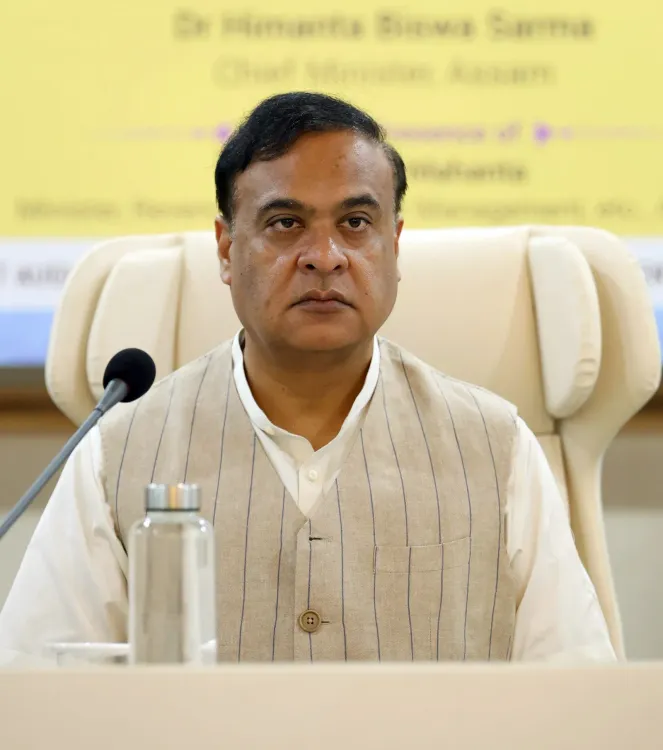
Assam is mobilising one of India's largest state-level cohorts of women entrepreneurs — 39 lakh — under a 'Lakhpati Didi' framework that aims to move rural women from subsistence livelihoods to profit-generating businesses. CM Himanta Biswa Sarma's push through the Assam Rural platform signals a structural shift: women as economic builders, not welfare recipients.
Key Takeaways
Assam CM Himanta Biswa Sarma announced on 11 August that the state is empowering nearly 39 lakh women entrepreneurs to build profitable businesses.
The initiative is being delivered through the Assam Rural platform , focused on entrepreneurial development and financial independence.
The 'Lakhpati Didi' vision aims to help rural women earn at least ₹1 lakh annually through self-sustaining enterprises.
Women linked to self-help groups (SHGs) and rural livelihood networks form the primary target cohort.
Officials say strengthening women-led businesses will generate employment, raise household incomes, and deepen female participation in local economic decisions.
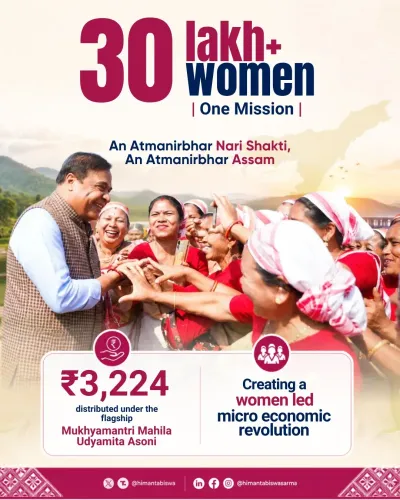
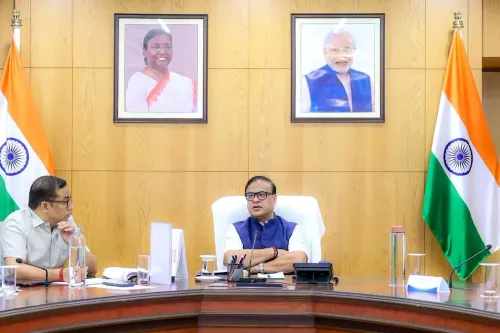
Assam Chief Minister Himanta Biswa Sarma on Tuesday, 11 August said the state government is intensifying its drive to empower nearly 39 lakh women entrepreneurs across Assam, helping them convert ideas into sustainable, profit-generating businesses. The push is being channelled through the Assam Rural platform, with the broader ambition of building a thriving network of 'Lakhpati Didis' — women who move beyond subsistence-level livelihoods to run viable enterprises.
What the Initiative Covers
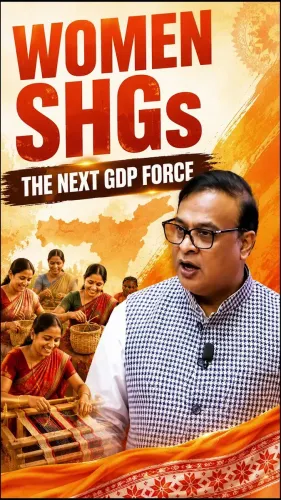
At its core, the programme targets women linked to self-help groups (SHGs) and rural livelihood networks, encouraging them to identify market opportunities, develop products and services, and scale their economic activities. Officials described the 39 lakh women involved as a 'strong force' capable of making a measurable contribution to Assam's economy if backed by the right institutional support.
The Assam Rural platform serves as the delivery mechanism, providing women with access to entrepreneurial training, guidance on formalising their businesses, and pathways to financial independence. The government's stated goal is to ensure women are active economic participants — not merely beneficiaries of welfare schemes.
The Lakhpati Didi Framework
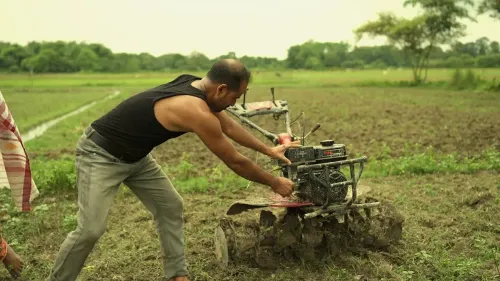
The 'Lakhpati Didi' concept, which seeks to help rural women earn at least ₹1 lakh annually through enterprise, has been a recurring theme in both central and state-level policy in recent years. Assam's iteration focuses specifically on building confidence among women entrepreneurs, helping them identify business opportunities and expand beyond traditional livelihood activities such as weaving, handicrafts, and small-scale farming.
Notably, this initiative comes amid a broader national emphasis on women-led self-help groups as engines of rural growth — a framework that has gained political salience across multiple states. Assam's push, however, is distinguished by the scale of its target cohort: 39 lakh women is one of the largest such mobilisations at the state level.
Impact on Rural Communities
Officials stated that strengthening women-led businesses is expected to generate secondary employment, raise household incomes, and encourage greater female participation in local economic decision-making. The government has framed women's entrepreneurship not merely as an income tool but as a structural lever for grassroots development.
Women entrepreneurs supported under this programme are being guided to build enterprises with the potential to generate consistent profits — a shift from the earlier model of one-time or seasonal income from SHG activities.
What Comes Next
The Assam government has indicated that the initiative will continue to scale, with the Assam Rural platform playing a central coordination role. As the state deepens its rural development strategy, women-led enterprises are expected to form an increasingly important pillar of its economic planning. The coming months will test whether institutional support can translate the ambition of 39 lakh entrepreneurs into measurable income gains at the ground level.
Point of View
And over what timeline. Assam's SHG ecosystem is large, but large cohorts have historically meant thin per-capita support. The Assam Rural platform's ability to deliver business development services at scale — not just mobilise numbers — will determine whether this is a structural shift or a headline figure. The absence of a public disbursement target or income-verification mechanism is a gap worth watching.
NationPress
26 Sept 2026
Frequently Asked Questions
What is Assam's women entrepreneurship initiative announced by CM Sarma?
It is a state-led programme to empower nearly 39 lakh women entrepreneurs in Assam to develop sustainable, profit-generating businesses through the Assam Rural platform. The initiative is anchored in the 'Lakhpati Didi' vision, which aims to move rural women beyond subsistence livelihoods to viable enterprise ownership.
What is the Lakhpati Didi scheme in Assam?
The Lakhpati Didi concept targets rural women — particularly those in self-help groups — to earn at least ₹1 lakh annually through their own enterprises. Assam's version focuses on building entrepreneurial confidence, identifying market opportunities, and formalising small businesses.
Who are the 39 lakh women entrepreneurs in Assam?
They are women across Assam primarily associated with self-help groups and rural livelihood initiatives, many engaged in traditional activities such as weaving, handicrafts, and small-scale farming. The government is now encouraging them to scale into more structured, profit-oriented enterprises.
How will the Assam Rural platform support women entrepreneurs?
The Assam Rural platform is the delivery mechanism for the initiative, providing women with entrepreneurial training, guidance on business development, and access to support systems for financial independence. It aims to connect women's ideas with institutional resources to create sustainable livelihoods.
Why does this initiative matter for Assam's economy?
With 39 lakh women targeted, the programme represents one of the largest state-level women's entrepreneurship mobilisations in India. Officials argue that strengthening women-led businesses will generate secondary employment, improve household incomes, and deepen female participation in rural economic decision-making — key drivers of grassroots development.