CM Himanta Hails Assam's Women-Led SHG Growth
Synopsis
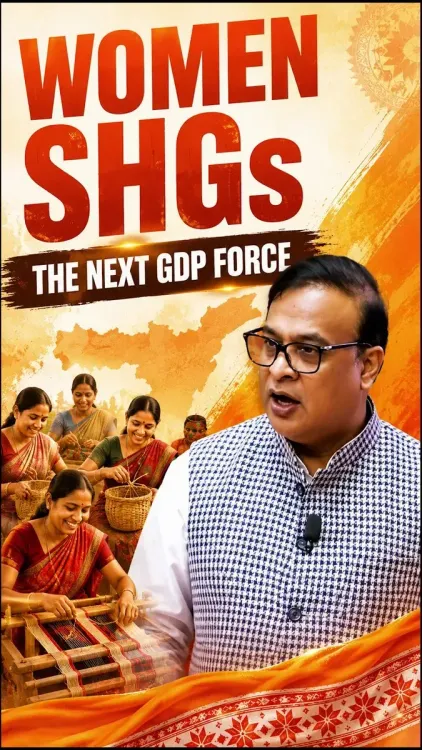
Assam Chief Minister Himanta Biswa Sarma has declared that the state's Self Help Group movement is central to economic progress, projecting that women entrepreneurs could drive 20 to 30 per cent of Assam's GDP. The remarks signal a shift from welfare framing to structural economic ambition for the SHG model.
Key Takeaways
Assam CM Himanta Biswa Sarma credited the SHG movement as the core of the state's economic and social progress on 28 May 2026 .
Sarma projected that women could power 20 to 30 per cent of Assam's GDP through entrepreneurship and rural livelihoods.
The SHG-bank linkage programme was pioneered by NABARD in 1992 ; the National Rural Livelihoods Mission universalised coverage from 2011 .
Assam has integrated central NRLM frameworks with state-specific livelihood missions to expand the SHG ecosystem.
The statement marks a shift in official messaging — from SHGs as welfare tools to measurable contributors to state GDP.
Future economic surveys and state budget documents may be the first test of whether the GDP projection translates into formal policy targets.
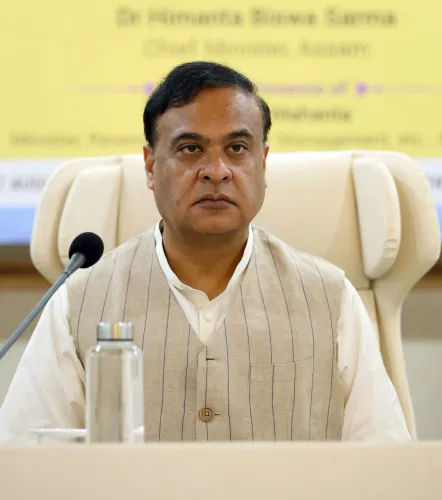
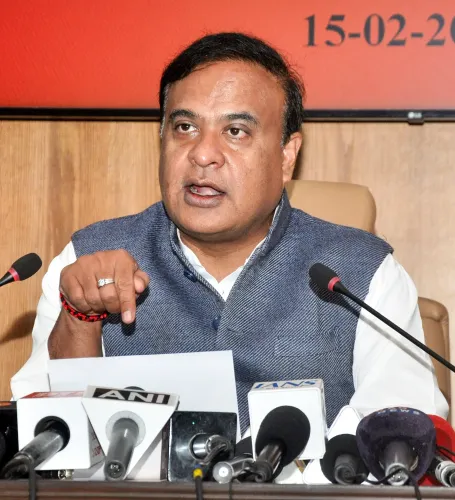
Assam Chief Minister Himanta Biswa Sarma on Thursday, 28 May 2026, credited the state's Self Help Group movement with driving economic and social progress, asserting that women entrepreneurs could account for 20 to 30 per cent of Assam's GDP in the years ahead.
Context
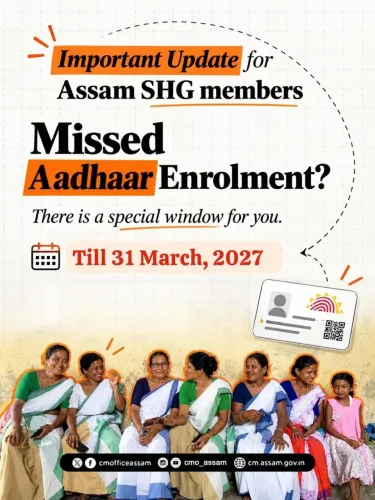
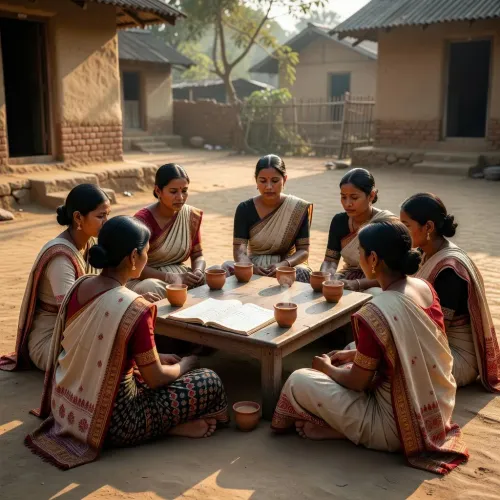
Posting under the hashtag #NariShakti, Sarma said that Assam's mothers and sisters are 'driving entrepreneurship, strengthening rural livelihoods and shaping the future of Assam through the SHG movement.' The statement frames women not merely as beneficiaries of welfare schemes but as active economic contributors balancing household responsibilities alongside enterprise.
The Chief Minister stopped short of citing a specific policy announcement, but the remarks signal the government's intent to position SHG-linked enterprise as a structural pillar of the state economy rather than a supplementary livelihood measure.
Policy Backdrop
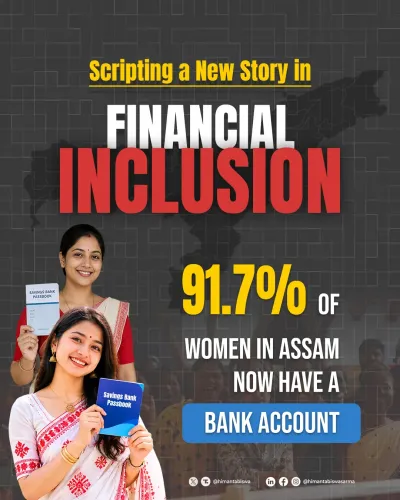
Self Help Groups have been a cornerstone of rural financial inclusion since NABARD piloted the SHG-bank linkage programme in 1992, providing collateral-free credit to rural women. The National Rural Livelihoods Mission (NRLM), launched by the central government in 2011, universalised SHG coverage and linked groups to sustainable livelihood pathways.
Assam, like other north-eastern states, has integrated the NRLM framework with state-specific livelihood missions to address both poverty and historically low female labour-force participation. The convergence of central funding and state implementation has steadily expanded the SHG ecosystem across the state's predominantly rural districts.
Successive governments at the centre and in the states have treated SHGs as the primary vehicle for women's financial inclusion and micro-enterprise promotion since the 1990s. Recent state messaging, including Sarma's post, marks a notable shift in ambition — linking the model explicitly to measurable GDP contribution targets.
Stakeholders and Impact
Rural women and women entrepreneurs across Assam's villages are the immediate stakeholders. SHG members typically pool savings, access micro-credit, and operate enterprises ranging from food processing and handicrafts to agriculture and retail — activities that generate income at the household level and circulate capital within local economies.
A GDP share of 20 to 30 per cent would represent a transformative scale-up. While the figure has not been independently verified against current economic surveys, the aspiration reflects a broader national conversation about formalising and measuring the contribution of the informal women's economy.
What's Next
Analysts and policymakers will watch for the release of Assam's next economic survey or state budget documents that may begin to quantify SHG-linked enterprise turnover in measurable terms. Possible expansion of state-supported value-chain interventions — helping SHG products reach larger markets — could be a concrete next step consistent with the Chief Minister's stated ambitions.
If the government moves to formalise the GDP-contribution target within a policy framework, it could set a precedent for how other states account for and invest in the women-led informal economy.
Point of View
He sets an ambitious benchmark that will invite scrutiny from economists and opposition alike. The statement also fits a wider BJP pattern of linking flagship women-centric schemes to macro-economic outcomes, reinforcing the party's 'Nari Shakti' messaging at the state level. Whether the aspiration is backed by a concrete policy roadmap will determine whether it registers as vision or rhetoric.
NationPress
11 Oct 2026
Frequently Asked Questions
What did Assam CM Himanta Biswa Sarma say about women and SHGs?
On 28 May 2026, CM Sarma stated that Assam's Self Help Group movement is central to the state's economic and social progress, and projected that women entrepreneurs could contribute 20 to 30 per cent of Assam's GDP in the future.
What is the SHG movement in Assam?
Self Help Groups are village-level collectives where women pool savings and access micro-credit to run small enterprises. Assam has integrated the central National Rural Livelihoods Mission with state schemes to expand SHG coverage, particularly in rural districts.
What is the National Rural Livelihoods Mission?
The National Rural Livelihoods Mission (NRLM) was launched by the central government in 2011 to universalise SHG coverage across India and promote sustainable livelihoods, building on the NABARD SHG-bank linkage model that began in 1992.
Is the 20-30% GDP claim about Assam SHGs verified?
The specific projection that SHGs will power 20 to 30 per cent of Assam's GDP has not been independently verified against current economic surveys or official data. It represents an aspirational target stated by the Chief Minister.
What is NariShakti in the context of Assam politics?
NariShakti, meaning 'women's power,' is a broad political and policy theme used by the BJP and state governments to highlight initiatives aimed at women's empowerment, entrepreneurship, and economic participation, including the promotion of SHGs.