CM Himanta: Assam's 40 Lakh SHG Women Can Boost GDP 20-30%
Synopsis
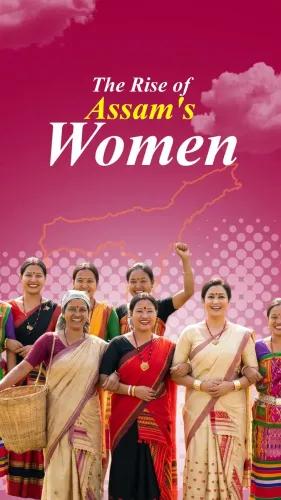
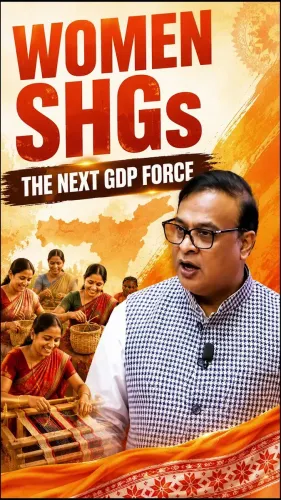
Chief Minister Himanta Biswa Sarma told the Assam Assembly on May 26, 2026 that the state's 40 lakh Self-Help Group women hold the power to boost Assam's GDP by 20 to 30 per cent, calling for full utilisation of their economic potential.
Key Takeaways
CM Himanta Biswa Sarma stated that 40 lakh women in Assam are enrolled in Self-Help Groups.
He projected that fully utilising SHG women's potential could boost Assam's GDP by 20 to 30 per cent .
The remarks were made at the Assam Assembly and shared by the official Chief Minister's Office on May 26, 2026 .
Self-Help Groups in Assam operate under the national Deendayal Antyodaya Yojana – NRLM framework, which has been active since 2011 .
The statement signals a policy intent to reframe SHG women as drivers of macroeconomic growth rather than welfare recipients.
Analysts will watch for follow-up budget allocations and new Assam-specific SHG schemes in future assembly sessions.
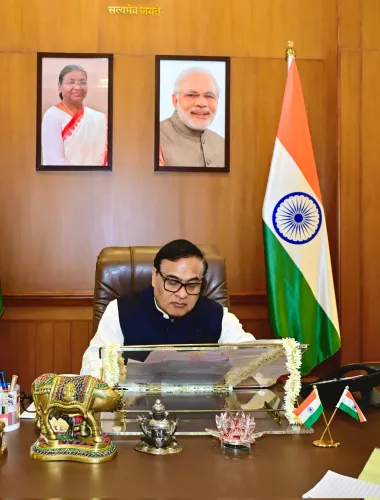
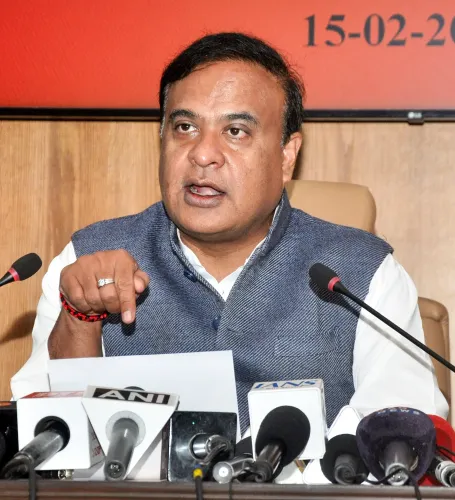
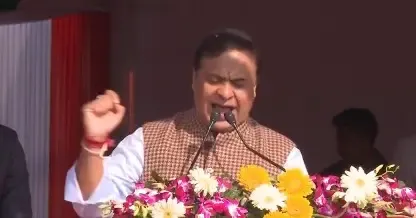
The Chief Minister's Office of Assam on Tuesday, May 26, 2026, shared remarks by Chief Minister Dr Himanta Biswa Sarma stating that the state's 40 lakh women enrolled in Self-Help Groups hold the potential to lift Assam's GDP by 20 to 30 per cent if their capabilities are fully harnessed.
Context
Speaking at what the post indicates was an Assam Assembly session, CM Sarma underlined the scale of women's grassroots economic organisation in the state. 'In Assam, there are 40 lakh women in Self-Help Groups. Together, we must ensure their potential is fully utilized, as they have the power to boost our GDP by 20% to 30%,' he said, according to the official CMO post. The statement frames SHG membership not merely as a welfare metric but as a direct lever of macroeconomic growth.
Policy Backdrop
Self-Help Groups have been the cornerstone of women's financial inclusion in India since the early 1990s, later institutionalised at scale through the Deendayal Antyodaya Yojana – National Rural Livelihoods Mission (DAY-NRLM), launched by the Government of India in 2011. The mission expanded SHG networks across rural India, channelling microfinance, skill development and market linkages to women from low-income households. Assam, with its large rural population spread across the Brahmaputra and Barak valleys, has been an active participant in NRLM, adapting the national framework through state-level programmes targeting credit access, livelihood diversification and enterprise promotion.
Northeastern states have historically faced structural barriers to women's formal economic participation, including geographic remoteness, limited banking penetration and agrarian dependence. SHGs have served as a practical workaround, creating peer-lending networks and collective bargaining platforms at the village level. CM Sarma's framing of SHG women as potential GDP drivers is consistent with a broader national trend of linking grassroots welfare architecture to aggregate economic output targets.
Stakeholders and Impact
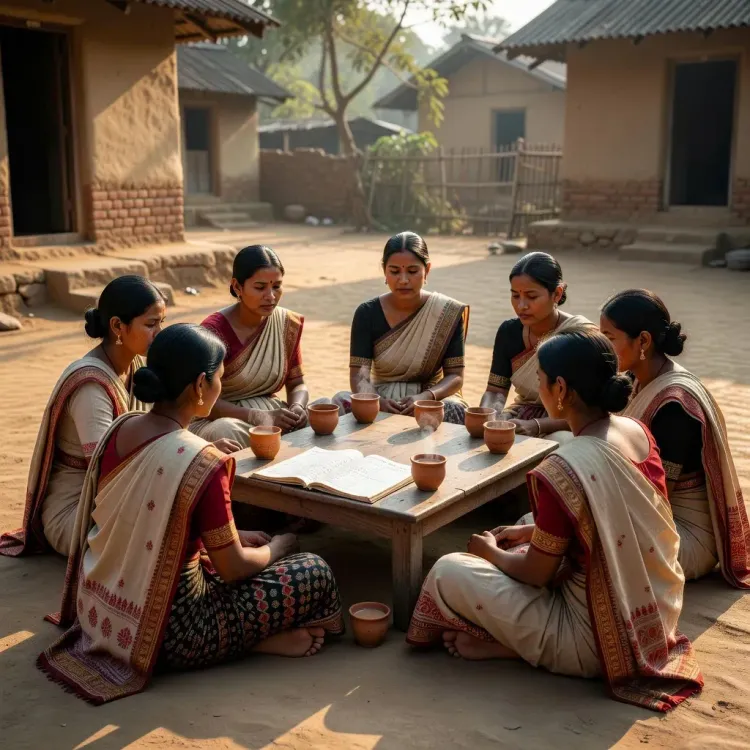
The primary stakeholders are the estimated 40 lakh women across Assam who are currently members of Self-Help Groups — a cohort that spans agricultural labour, artisanal production, small trade and allied rural services. If state policy follows through on the Chief Minister's stated intent, these women could see expanded access to formal credit, skill-upgrade programmes, and market linkages that convert subsistence-level group savings into viable micro-enterprises. The downstream beneficiaries include rural households dependent on women's supplementary income, local supply chains, and the state's broader tax and consumption base.
The Assam Assembly serves as the immediate policy arena where such commitments can translate into budget allocations and legislative backing. Civil society organisations working on women's livelihoods in the Northeast will also be watching for concrete programme announcements that follow the Chief Minister's remarks.
What's Next
The political signal from CM Sarma is clear: the government intends to position SHG women as economic growth agents rather than passive beneficiaries. Observers will look for specific follow-through in the form of enhanced state budget allocations for SHG upskilling, market-linkage schemes, or new Assam-specific missions announced in forthcoming assembly sessions. The credibility of the 20 to 30 per cent GDP growth projection will ultimately depend on whether policy architecture — credit, training, procurement linkages — is built around the existing SHG base. Assam's experience, if successful, could serve as a replicable model for other northeastern states with comparable SHG footprints.
Point of View
It signals that the Sarma administration may be preparing a larger SHG-linked economic initiative ahead of the next budget cycle or electoral cycle. The key test will be whether this assembly-floor commitment is followed by measurable policy architecture, or remains an aspirational data point.
NationPress
25 Sept 2026
Frequently Asked Questions
How many women are in Self-Help Groups in Assam?
According to Chief Minister Himanta Biswa Sarma's statement on May 26, 2026, there are 40 lakh women enrolled in Self-Help Groups in Assam.
What is the GDP boost CM Himanta claims SHG women can deliver?
CM Sarma stated that Assam's SHG women have the potential to boost the state's GDP by 20 to 30 per cent if their capabilities are fully utilised.
What is a Self-Help Group and how does it work in Assam?
A Self-Help Group (SHG) is a community-based collective, typically of rural women, that pools savings for microfinance and livelihood activities. In Assam, SHGs operate largely under the national Deendayal Antyodaya Yojana – National Rural Livelihoods Mission framework launched in 2011.
Where did CM Himanta make the SHG GDP statement?
The statement was made at the Assam Assembly and shared by the official Chief Minister's Office of Assam on May 26, 2026 .
What policy support exists for SHG women in Assam?
Assam participates in the national DAY-NRLM programme, which provides SHG women with access to microfinance, skill development and market linkages. State-level adaptations have extended these to credit access and enterprise promotion across rural Assam.