CM Himanta Backs 39 Lakh Naripreneurs as Lakhpati Didis
Synopsis
Assam CM Himanta Biswa Sarma has highlighted the state rural mission's drive to empower 39 lakh women as Naripreneurs, targeting the Lakhpati Didi benchmark of Rs. 1 lakh annual income per woman through structured micro-enterprise support under DAY-NRLM.
Key Takeaways
Assam CM Himanta Biswa Sarma announced on August 11, 2026 that the state's rural mission is targeting 39 lakh women as Naripreneurs.
The goal is to help each woman achieve Lakhpati Didi status — earning at least Rs.
1 lakh per year through sustainable micro-enterprise.
The initiative operates through the Assam State Rural Livelihoods Mission , linked to the national DAY-NRLM framework launched in 2011 .
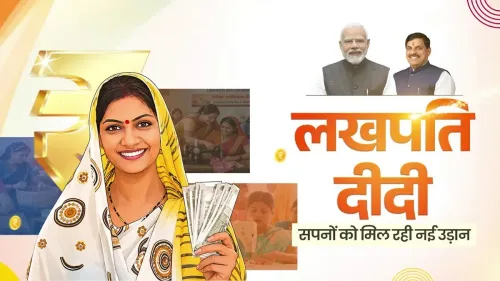
The Lakhpati Didi scheme was announced nationally in 2023 with a target of reaching two crore women across India.
The state's framing emphasises entrepreneurship over welfare, positioning rural women as business founders rather than subsidy recipients.
Verifiable data on how many women have actually crossed the Rs.
1 lakh income threshold in Assam remains to be published.
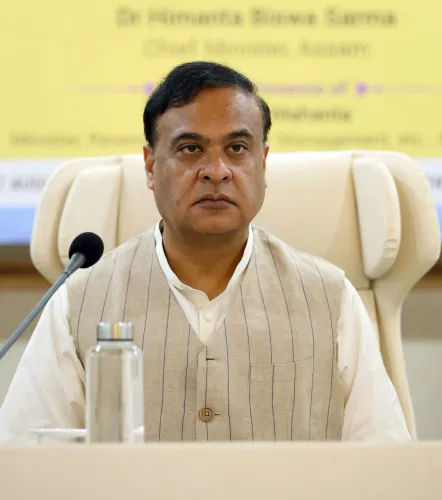
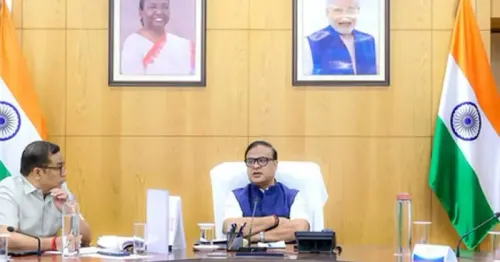
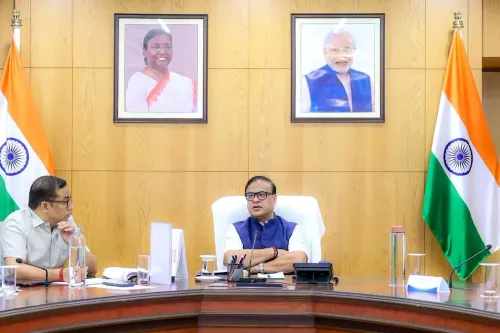
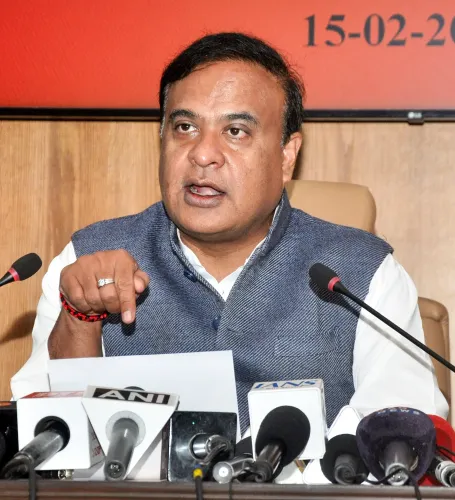
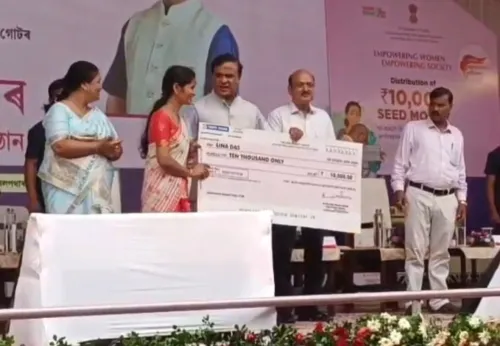
Across Assam's villages, women are not waiting — they are building. Assam Chief Minister Himanta Biswa Sarma on Tuesday, August 11, 2026, spotlighted the state's push to transform rural women into income-generating entrepreneurs, declaring that the Assam Rural Livelihoods Mission is working to empower a 39-lakh-strong force of 'Naripreneurs' and steer them toward the Lakhpati Didi milestone.
The Lakhpati Didi target and what it demands
The Lakhpati Didi scheme, announced nationally in 2023 under the Deendayal Antyodaya Yojana–National Rural Livelihoods Mission (DAY-NRLM), sets a clear bar: each enrolled woman in a self-help group must earn at least Rs. 1 lakh per year through a sustainable livelihood. The national ambition was to reach two crore women across India. Assam's version of that push, routed through the state rural mission, is now framing the goal not just as income support but as entrepreneurship at scale — ideas turned into profitable businesses, not just subsidies turned into savings.
SHGs as the engine: three decades of groundwork
The scaffolding beneath this announcement runs deep. DAY-NRLM, launched in 2011, spent over a decade mobilising rural poor women into self-help groups, building habits of saving, credit access, and collective accountability. That network is now the launchpad. Sarma's framing — 'brimming with ideas and a zeal to create impact' — signals a deliberate pivot: from welfare recipients to micro-enterprise founders. The word 'Naripreneur' itself is doing political and policy work simultaneously, branding rural women as agents of economic growth rather than beneficiaries of state largesse.
What the 39-lakh figure means on the ground
Assam is a state where women's labour has historically been undercounted and underpaid — tea gardens, agriculture, weaving. Channelling 39 lakh women through a structured livelihood mission, if the pipeline holds, would represent one of the largest organised income-generation efforts in the state's history. The real test, as policy watchers note, is the share who actually cross the Rs. 1 lakh annual income threshold — a number state progress reports will need to validate with specifics on training, credit disbursement, and market linkages.
Sarma's post is a signal of intent and political ownership. The delivery is the story that follows.
Point of View
The Chief Minister simultaneously claims credit for ground-level implementation and reinforces his position as a proactive NEDA convenor who delivers on central schemes. The pivot from 'beneficiary' language to 'Naripreneur' framing reflects a broader BJP communications strategy: welfare repackaged as aspiration. The credibility of the claim, however, will ultimately rest on verifiable income data — how many of the 39 lakh women have actually crossed the Rs. 1 lakh threshold — a number the state is yet to publish in granular form.
NationPress
25 Sept 2026
Frequently Asked Questions
What is the Lakhpati Didi scheme?
Lakhpati Didi is a central government initiative under DAY-NRLM that aims to help women in self-help groups earn at least Rs. 1 lakh per year through sustainable livelihoods and micro-enterprise. It was announced in 2023 with a national target of covering two crore women.
What is the Assam Rural Livelihoods Mission?
The Assam State Rural Livelihoods Mission is the state body implementing the national NRLM framework in Assam, focusing on organising rural women into self-help groups and promoting savings, credit access, and micro-enterprise development.
Who are Naripreneurs in Assam?
Naripreneurs is a term used by the Assam government to describe women in rural self-help groups who are being supported to launch and scale profitable micro-businesses, blending 'Nari' (woman) with 'entrepreneur'.
How many women are part of Assam's Naripreneur initiative?
Chief Minister Himanta Biswa Sarma has cited a figure of 39 lakh women being empowered through the Assam Rural Livelihoods Mission as Naripreneurs, though this figure has not been independently verified from established public records.
What is DAY-NRLM and when was it launched?
The Deendayal Antyodaya Yojana–National Rural Livelihoods Mission was launched in 2011 to mobilise rural poor, especially women, into self-help groups for economic empowerment, savings, credit, and self-employment promotion across India.