CM Himanta Highlights Lakhpati Didi's Journey From Pickle to Food Processing
Synopsis
Assam Chief Minister Himanta Biswa Sarma spotlighted a rural woman who built a food-processing enterprise from a ₹10,000 pickle business, calling her journey an example of self-reliance under the national Lakhpati Didi scheme backed by DAY-NRLM.
Key Takeaways
Assam CM Himanta Biswa Sarma posted a video on 22 July 2026 highlighting a Lakhpati Didi beneficiary's entrepreneurship journey.
The featured woman started her pickle business with just ₹10,000 and scaled it into a food-processing enterprise.
The Lakhpati Didi programme, formalised under DAY-NRLM in 2023 , targets at least ₹1 lakh annual income for rural women in SHGs.
The national goal is to create two crore Lakhpati Didis across India through sustainable micro-enterprises.
Assam's 2021-22 budget prioritised scaling SHG-linked food-processing clusters as part of the Atmanirbhar Bharat agenda.
State-level Lakhpati Didi certification numbers for 2025-26 and new common facility centres are the key metrics to watch.
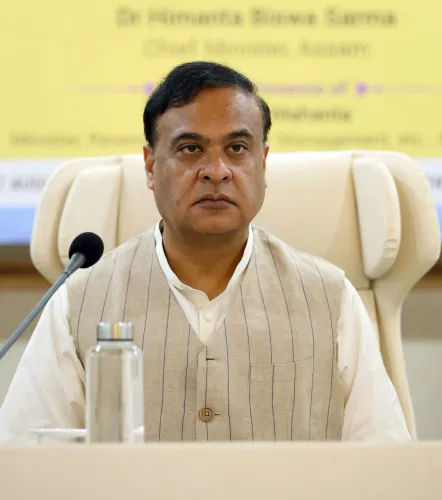
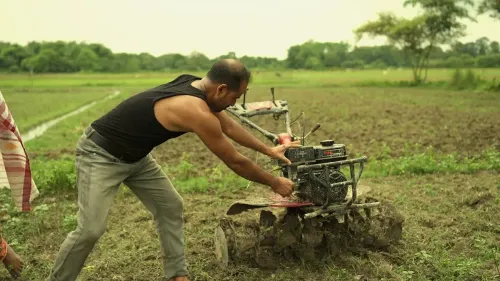
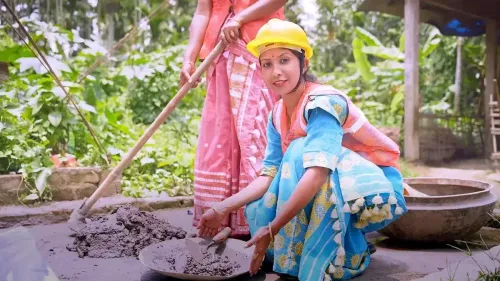
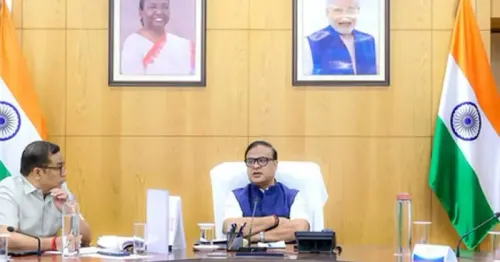
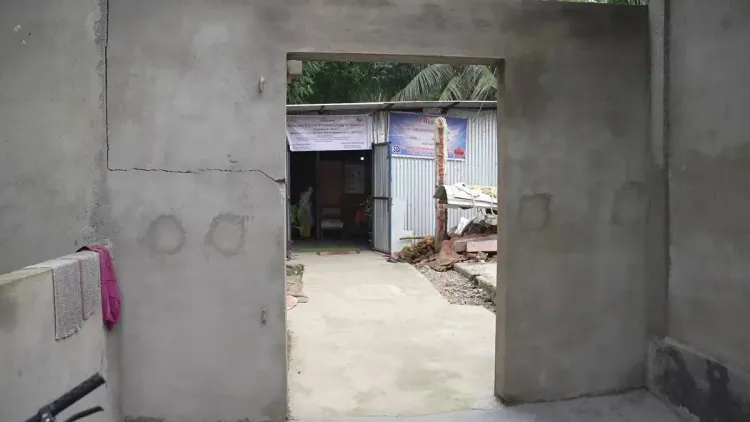
Assam Chief Minister Himanta Biswa Sarma on Wednesday, 22 July 2026, shared a video on X showcasing how a rural woman transformed a pickle-making venture started with just ₹10,000 into a full-fledged food-processing enterprise, earning her the status of a Lakhpati Didi — a symbol, he wrote, of self-reliance.
In his post, CM Sarma wrote: 'सिर्फ ₹10,000 से शुरू हुए अचार के व्यवसाय से Food Processing तक का सफर तय कर लखपति दीदी बनना आत्मनिर्भरता की मिसाल है' — 'The journey from a pickle business started with just ₹10,000 to food processing, to becoming a Lakhpati Didi, is an example of self-reliance.' He invited viewers to hear directly from the woman about how the government supported her along the way.
Context
The Lakhpati Didi programme is a national initiative under the Deendayal Antyodaya Yojana – National Rural Livelihoods Mission (DAY-NRLM), which has organised rural women into self-help groups (SHGs) since 2011. The scheme's specific Lakhpati Didi target — enabling women to earn at least ₹1 lakh annually through sustainable micro-enterprises — was formalised by the Union Ministry of Rural Development in 2023, with a national goal of creating two crore such women entrepreneurs.
Assam has integrated food-processing micro-enterprises into its existing SHG frameworks, with the state's 2021-22 budget emphasising the scaling of SHG-linked food-processing clusters as part of the broader Atmanirbhar Bharat vision. Pickle-making and allied food-processing units have emerged as a visible entry point for rural women moving from subsistence to commercial-scale production.
Policy Backdrop
The DAY-NRLM framework has, over the past decade, shifted from simple credit linkage to value-addition activities. Food processing — including pickles, preserves, and packaged goods — has become one of the most accessible sectors for SHG women because of low capital requirements and high local demand. The ₹10,000 starting capital cited in CM Sarma's post reflects precisely this low-barrier entry model.
The BJP-led Assam government has positioned measurable income outcomes for women — particularly Lakhpati Didi certifications — as a core governance deliverable. State rural development departments track district-wise certification numbers, and food-processing common facility centres have been flagged as a potential next step in scaling these enterprises.
Stakeholders and Impact
The primary beneficiaries are rural women enrolled in Assam's SHG network, who gain access to credit, skill training, and market linkages under the NRLM umbrella. For a woman who began with a ₹10,000 investment in pickle-making, the Lakhpati Didi milestone represents a tenfold-plus income threshold crossed through state-facilitated support.
Broader stakeholders include the rural economy of northeast India, where food-processing clusters can generate downstream employment in packaging, logistics, and retail. The video format chosen by CM Sarma amplifies the human story, making the policy outcome tangible to a wider audience and potentially encouraging other SHG members to pursue similar enterprise pathways.
What's Next
Attention will now turn to the Assam state rural development department's annual report on Lakhpati Didi certifications achieved across districts during 2025-26. Any announcement of new food-processing common facility centres — which would allow SHG clusters to share equipment and reduce per-unit costs — will be a key indicator of how far the state intends to scale this model.
With the national two-crore target still being pursued, Assam's ability to demonstrate verifiable income growth for SHG women in the food-processing sector could serve as a replicable template for other northeast Indian states operating within the same NRLM architecture.
Point of View
000 origin point, the communication is calibrated to resonate with rural audiences who can see themselves in the protagonist's journey. The choice of video over text also signals a deliberate shift toward vernacular, emotionally resonant content on social media. Taken together, this is less a policy update and more a governance brand-building exercise that positions the BJP-led Assam government as the enabler of women's economic mobility in the northeast.
NationPress
21 Oct 2026
Frequently Asked Questions
What is the Lakhpati Didi scheme?
The Lakhpati Didi scheme is a national programme under DAY-NRLM that aims to help rural women in self-help groups earn at least ₹1 lakh annually through sustainable micro-enterprises such as food processing, handicrafts, and allied activities.
What did CM Himanta Biswa Sarma post about Lakhpati Didi?
On 22 July 2026, Assam CM Himanta Biswa Sarma shared a video on X showcasing a rural woman who grew a ₹10,000 pickle business into a food-processing enterprise, describing her journey as an example of self-reliance under the Lakhpati Didi initiative.
How does Assam support Lakhpati Didi beneficiaries?
Assam has integrated food-processing micro-enterprises into its SHG frameworks under DAY-NRLM, with the state's 2021-22 budget emphasising SHG-linked food-processing clusters and government support through credit, skill training, and market linkages.
What is the national target for Lakhpati Didi?
The Union Ministry of Rural Development set a target of creating two crore Lakhpati Didis across India when the programme's specific income milestone was formalised in 2023.
Why is food processing popular among SHG women in Assam?
Food processing, including pickle-making, requires low starting capital — sometimes as little as ₹10,000 — and benefits from high local demand, making it one of the most accessible entry points for rural women in Assam's self-help group network.