CM Himanta Highlights Lakhimi Mistri Women Workers in Assam
Synopsis
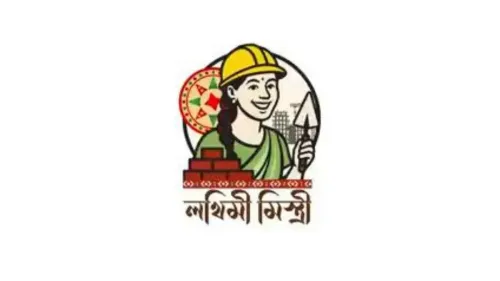
Assam Chief Minister Himanta Biswa Sarma on July 7, 2026, spotlighted the state's 'Lakhimi Mistri' women skilled workers in a video post, declaring Assam's women are no longer economically dependent and are building a self-reliant state through their own labour under government support.
Key Takeaways
Assam CM Himanta Biswa Sarma on July 7, 2026 , shared a video featuring 'Lakhimi Mistri' women skilled workers as examples of the state's self-reliance drive.
The post declares that Assam's women are 'no longer dependent on anyone,' framing skilled female labour as the foundation of an Atmanirbhar (self-reliant) Assam.
The Orunodoi scheme , launched in 2020-21 , provides monthly financial support to women from low-income households and underpins the state's broader women-welfare architecture.
The BJP-led Assam government has consistently emphasised skill-based self-employment for women since coming to power in 2016 , with vocational training and self-help group outreach as key delivery mechanisms.
Future state budget announcements on skill development allocations and certified training outcomes will indicate the depth of the Lakhimi Mistri programme beyond its communication campaign.
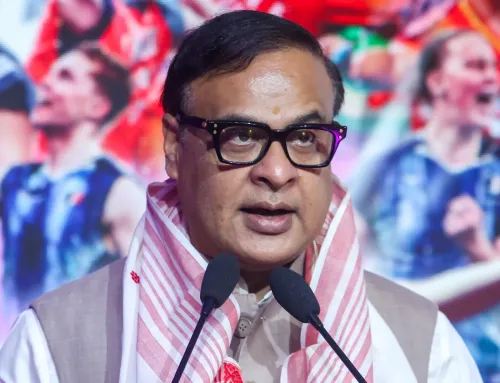
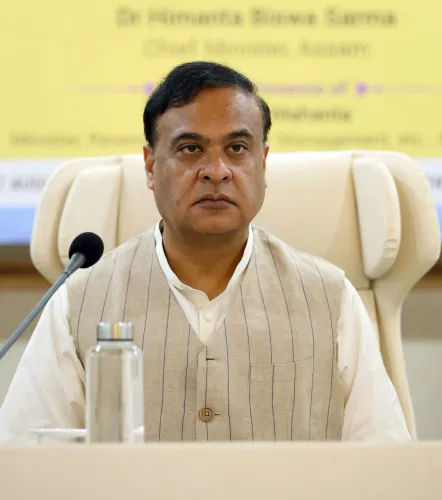
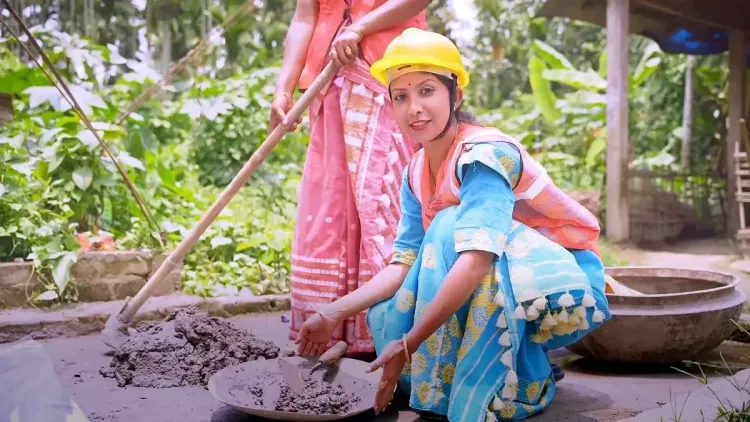
Assam Chief Minister Himanta Biswa Sarma on Tuesday, July 7, 2026, shared a video spotlighting the state's 'Lakhimi Mistri' women workers, asserting that Assam's women are no longer dependent on others and are laying the foundation of a self-reliant state through their own labour.
Posting in Hindi, CM Sarma wrote: 'असम की नारीशक्ति अब किसी पर निर्भर नहीं है' — 'Assam's women power is no longer dependent on anyone.' He added that the 'Lakhimi Mistri Didis' are building the foundation of an Atmanirbhar (self-reliant) Assam through the strength of their labour, and that his government stands with women in their journey toward economic independence.
Context
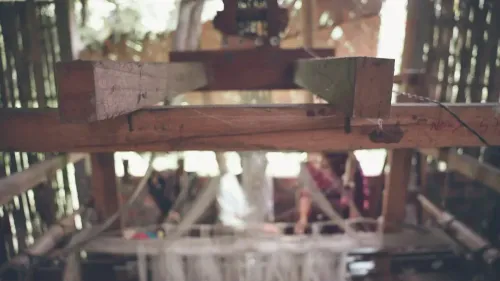
The post accompanies a video described as 'the story of a developed Assam, told in the voice of women power.' The 'Lakhimi Mistri' programme refers to women skilled workers — mistri meaning artisan or skilled labourer — trained under state-backed initiatives to take up construction and technical trades traditionally dominated by men. The framing positions these women as symbols of grassroots economic transformation in the state's northeastern geography.
Policy Backdrop
The messaging fits within a sustained push by the BJP-led Assam government, in power since 2016, to promote skill-based self-employment for women. The state's Orunodoi scheme, launched in 2020-21, provides monthly direct financial transfers to women from low-income households, forming a baseline of support beneath broader livelihood programmes. Vocational training and self-help group outreach have been recurring themes in successive state budgets under CM Sarma, who took charge in 2021.
The Atmanirbhar framing mirrors a vocabulary used across BJP-governed states in the Northeast, where women-led development is presented as both a social goal and a marker of governance performance. Skill development allocations and outcomes from women-focused training programmes are expected to feature prominently in the next state budget cycle.
Stakeholders and Impact
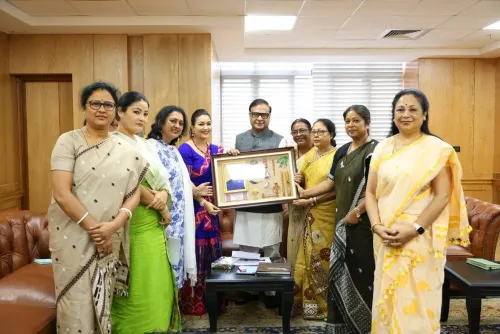
The primary beneficiaries highlighted are rural and semi-urban women workers in Assam who have received vocational training enabling entry into skilled trades. For these women, the shift from informal or agricultural labour to a recognised skilled trade represents a measurable change in earning potential and social standing. Self-help groups and state-run training centres serve as the institutional backbone connecting government intent to ground-level outcomes.
Broader stakeholders include the state's construction and infrastructure sectors, which gain a larger pool of trained workers, and the North-East Democratic Alliance (NEDA), of which CM Sarma is convenor, for whom visible women-empowerment stories carry political resonance across the region.
What's Next
Observers will watch whether the state follows the video outreach with measurable programme targets — such as the number of Lakhimi Mistri trainees certified or placed — in upcoming budget or policy announcements. The emphasis on documented storytelling through video suggests the government intends to use beneficiary testimonials as a communication strategy ahead of future electoral cycles. Expansion of the Orunodoi beneficiary base and fresh skill-development allocations will be key indicators of the programme's institutional depth.
Point of View
Identifiable beneficiaries rather than abstract statistics. By naming the 'Lakhimi Mistri Didis' and deploying video testimony, the Assam government is building an emotional case for its women-empowerment record ahead of future electoral scrutiny. This fits a broader BJP Northeast playbook where women-led self-reliance is positioned as the human face of development spending. The test, however, will be whether policy announcements on training scale and outcomes follow the outreach, or whether the messaging remains aspirational.
NationPress
6 Oct 2026
Frequently Asked Questions
Who are the Lakhimi Mistri Didis in Assam?
The 'Lakhimi Mistri Didis' are women skilled workers — artisans and technicians — trained under Assam government-backed programmes to take up trades such as construction and other technical work, enabling them to earn independently.
What is the Orunodoi scheme in Assam?
The Orunodoi scheme, launched in 2020-21, provides monthly direct financial transfers to women from low-income households in Assam, serving as a foundational support measure under the state's broader women-welfare framework.
What did Himanta Biswa Sarma post on July 7, 2026?
CM Himanta Biswa Sarma shared a video on July 7, 2026, highlighting 'Lakhimi Mistri' women workers in Assam, stating that the state's women are no longer dependent on others and are building a self-reliant Assam through their own labour.
What is Atmanirbhar Assam?
'Atmanirbhar Assam' refers to the Assam government's push for self-reliance, particularly through skill-based employment and welfare schemes targeting women and low-income households in the state.
What is NEDA and what is Himanta Biswa Sarma's role in it?
The North-East Democratic Alliance (NEDA) is a BJP-led political coalition of parties across northeastern India. Himanta Biswa Sarma, Assam's Chief Minister, serves as its convenor.