Assam CM Sarma: Women lead transformation in NDA 3.0's first 100 days
Synopsis
Assam's MMR has dropped to 84 — below the national average of 87 for the first time — while over 6,875 women are being trained as certified rural masons. Chief Minister Himanta Biswa Sarma's 100-day NDA 3.0 report card frames these not as isolated schemes but as a coordinated push to put women at the centre of the state's development story.
Key Takeaways
Assam CM Himanta Biswa Sarma released the state's 100-day NDA 3.0 progress report on 20 August , focusing on women's empowerment.
More than 6,875 women are being trained as certified rural masons under the Lakhimi Mistri initiative linked to PMAY-G .
Swanirbhar Naari has supported 1,051 weavers and 60 entrepreneurs , with ₹1.33 crore released and 48,338 products procured.
Assam's Maternal Mortality Ratio (MMR) has fallen to 84 , below the national average of 87 — a first for the state. ₹23.26 crore disbursed to 78,490 PMMVY beneficiaries via Direct Benefit Transfer; 2.94 lakh adolescent girls vaccinated.
Around 5.16 lakh girl students expected to benefit under the Nijut Moina scheme in 2026-27 .
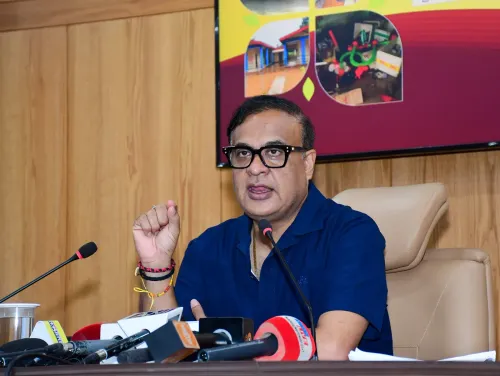
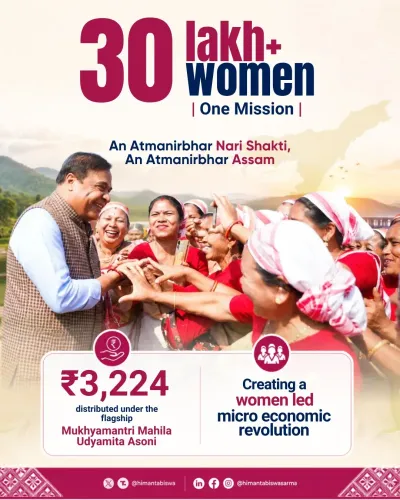
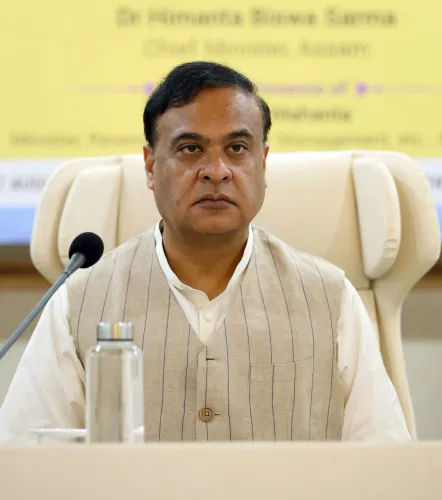
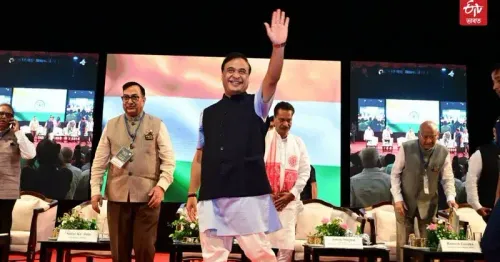
Assam Chief Minister Himanta Biswa Sarma on Thursday, 20 August outlined a series of women-centred initiatives undertaken in the first 100 days of NDA 3.0, asserting that the state government's programmes are collectively aimed at building an Assam where women drive social and economic transformation. Sarma shared the progress across schemes covering livelihoods, education, maternal health, and financial support through his social media handles.
Livelihoods and Skills: Lakhimi Mistri and Swanirbhar Naari
Under the Lakhimi Mistri initiative, more than 6,875 women are currently undergoing training to become certified rural masons under the Pradhan Mantri Awas Yojana-Gramin (PMAY-G). The programme aims to equip women with technical construction skills, creating a pathway to sustainable livelihoods while increasing female participation in rural infrastructure work.
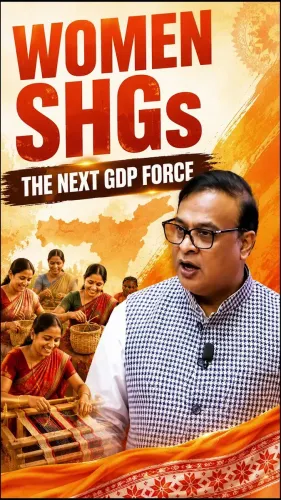
The Swanirbhar Naari scheme has supported more than 1,051 weavers and 60 women entrepreneurs. As many as 48,338 benchmarked products have been procured under the initiative, with ₹1.33 crore released to strengthen women-led livelihoods across the state.
Education and Child Marriage Prevention: Nijut Moina
Education remains a central pillar of the state's women's empowerment agenda. Under the Nijut Moina scheme, approximately 5.16 lakh girl students are expected to benefit during 2026-27. The government has positioned continued education as a key instrument in combating child marriage — a persistent challenge in Assam — by keeping girls enrolled through financial and institutional support.
Maternal and Adolescent Healthcare
On the health front, Assam's Maternal Mortality Ratio (MMR) has declined to 84, falling below the national average of 87 — marking the first time the state has recorded an MMR lower than the national figure. This is widely seen as a significant public health milestone for a state that has historically struggled with maternal health outcomes.
Additionally, 2.94 lakh adolescent girls have received vaccinations as part of strengthened preventive healthcare outreach. Under the Pradhan Mantri Matru Vandana Yojana (PMMVY), 78,490 eligible beneficiaries have been registered and ₹23.26 crore transferred through Direct Benefit Transfer (DBT), providing direct financial assistance to women during motherhood.
The Broader Picture
Taken together, the initiatives span capital access, skill development, education, preventive healthcare, and maternal support — areas that development economists consistently identify as compounding levers for women's empowerment. Notably, Assam's MMR improvement comes against the backdrop of years of targeted health interventions, and the 100-day report card suggests those efforts are beginning to show measurable results.
This is the first structured progress review since the formation of NDA 3.0, and the Sarma government has framed it as evidence of sustained policy continuity rather than fresh announcements. How these numbers translate into ground-level outcomes will be closely watched in the months ahead.
Point of View
So crediting 100 days of NDA 3.0 for the decline risks overstating causality; the gains likely reflect a longer arc of health investment. The Lakhimi Mistri and Swanirbhar Naari numbers, while positive, are still small relative to Assam's female workforce. The real test will be whether these schemes scale and whether the Nijut Moina enrolment translates into measurable drops in child marriage rates — data the government has not yet provided.
NationPress
5 Oct 2026
Frequently Asked Questions
What is the Lakhimi Mistri initiative in Assam?
The Lakhimi Mistri initiative trains women to become certified rural masons under the Pradhan Mantri Awas Yojana-Gramin (PMAY-G). More than 6,875 women are currently enrolled, gaining technical construction skills for sustainable livelihoods.
What is the Nijut Moina scheme and how does it fight child marriage?
Nijut Moina is an Assam government scheme that provides financial support to keep girl students enrolled in education. Around 5.16 lakh girl students are expected to benefit in 2026-27, with the government positioning continued schooling as a deterrent to child marriage.
How has Assam's Maternal Mortality Ratio changed?
Assam's MMR has declined to 84, which is below the national average of 87 — the first time the state has recorded a lower MMR than the national figure. This is considered a significant public health milestone for the state.
How much has the Assam government disbursed under PMMVY?
Under the Pradhan Mantri Matru Vandana Yojana (PMMVY), the Assam government has registered 78,490 eligible beneficiaries and transferred ₹23.26 crore through Direct Benefit Transfer to provide financial assistance to women during motherhood.
What has the Swanirbhar Naari scheme achieved in Assam?
Swanirbhar Naari has supported more than 1,051 weavers and 60 women entrepreneurs in Assam. A total of 48,338 benchmarked products have been procured and ₹1.33 crore released to strengthen women-led livelihoods across the state.