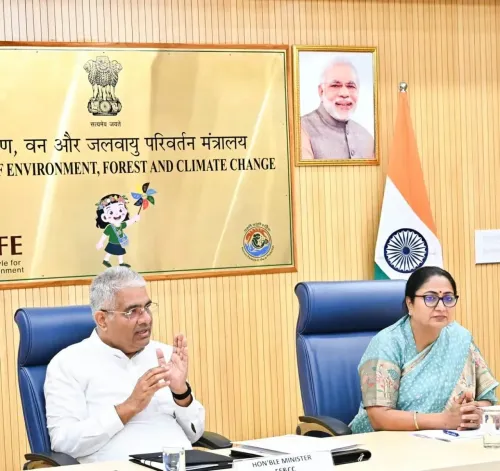
Bhupender Yadav Calls for Red-to-Green Industry Shift

Synopsis
Union Environment Minister Bhupender Yadav signalled a push to shift high-polluting red-category industries to greener classifications under India's CPCB framework, invoking the regulator's colour-coded pollution categorisation system that has governed industrial compliance since 2016.
Key Takeaways
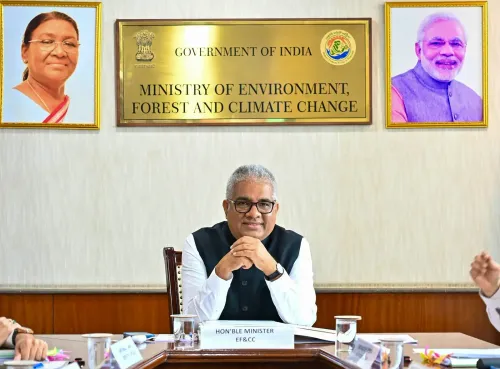
Union Environment Minister Bhupender Yadav publicly called for converting red-category industries into green-category industries on 25 September 2026 .
The CPCB has classified Indian industries into red, orange, green, and white categories based on pollution potential since 2016 .
Red-category units — including tanneries, distilleries, and cement plants — face the highest regulatory scrutiny and compliance burden.
Green-category industries benefit from lighter inspection regimes and faster regulatory clearances, creating a built-in incentive to upgrade.
A possible revision of the CPCB categorisation list or new incentives for cleaner production could follow in the next policy or budget cycle.
State Pollution Control Boards would be the primary enforcement bodies if any formal reclassification drive is launched.
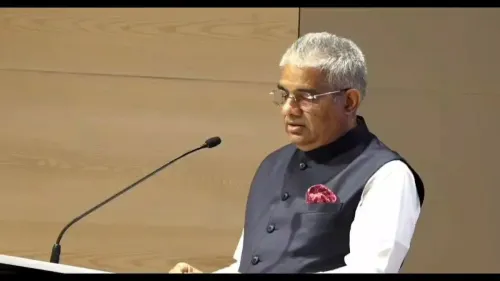
A single sentence from Union Environment Minister Bhupender Yadav landed on 25 September 2026 with the weight of a policy signal: industries that pollute must clean up or move categories — and the government is watching.
Posting on X, Minister Yadav wrote, 'Red line ko green line mein convert karna chahiye' — 'The red line must be converted into a green line.' The statement is brief, but the regulatory architecture behind it is anything but.
What 'Red' and 'Green' Mean in India's Industrial Rulebook
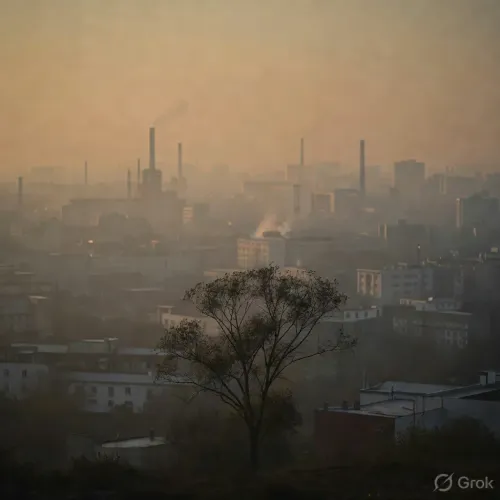
Since 2016, the Central Pollution Control Board (CPCB) has classified every industry in India into one of four colour-coded categories — red, orange, green, and white — based on its pollution potential. Red-category units carry the highest environmental risk: cement plants, tanneries, distilleries, large textile mills. Green-category units are significantly cleaner, face lighter compliance burdens, and often qualify for faster regulatory clearances. White-category industries are considered virtually non-polluting. The gap between red and green is not merely administrative. It determines the scrutiny a plant faces from State Pollution Control Boards, the consents it must renew, and, increasingly, the financing it can access as ESG-conscious lenders grow warier of high-polluting assets.The Push to Reclassify — and What It Would Take
Yadav's call echoes a recurring theme in Indian environment policy: use category-based regulation not just to penalise, but to incentivise. Successive governments have offered easier clearances and lighter inspection regimes to green and white units precisely to nudge industry toward cleaner production. The implicit bargain is straightforward — invest in cleaner technology, and the regulatory state gets out of your way faster. A genuine reclassification push could arrive through a revised CPCB categorisation list, new production-linked incentives for upgrading to greener processes, or stricter timelines tied to future environment policy cycles. State pollution boards, which enforce day-to-day compliance, would be the frontline actors in any such transition. The minister's post arrives as India juggles its twin commitments to industrial growth and its climate and clean-air targets — a tension that colour-coded regulation was designed, at least in part, to manage. If the red line is ever going to move, the signal from the top has now been sent — publicly, and without ambiguity.Point of View
Not just rhetoric. It also fits a broader BJP-government pattern of framing environmental compliance as an economic opportunity rather than a cost burden — a message aimed simultaneously at industry lobbies and at India's international climate credibility. The unanswered question is whether this stays a ministerial aspiration or translates into a revised CPCB list with teeth.
NationPress
25 Sept 2026
Frequently Asked Questions
What is the CPCB red category industry classification in India?
The Central Pollution Control Board classifies industries into red, orange, green, and white categories based on their pollution potential. Red-category units — such as tanneries, distilleries, and cement plants — carry the highest environmental risk and face the strictest regulatory scrutiny.
What did Bhupender Yadav say about red-category industries?
On 25 September 2026, Minister Yadav posted on X: 'Red line ko green line mein convert karna chahiye' — meaning high-polluting red-category industries should transition to cleaner green-category status.
What is the difference between red and green category industries in India?
Red-category industries have a high pollution index and face intensive monitoring from State Pollution Control Boards. Green-category industries are significantly cleaner, subject to lighter compliance requirements, and generally receive faster regulatory clearances.
Can a red-category industry be reclassified to green in India?
Reclassification is possible if an industrial unit significantly reduces its pollution load through cleaner technologies or process changes, subject to CPCB guidelines and approval from the relevant State Pollution Control Board.
What is Bhupender Yadav's role in India's environment policy?
Bhupender Yadav serves as India's Union Minister of Environment, Forest and Climate Change, making him the country's top official responsible for pollution regulation, forest governance, and climate commitments.