CM Sai Champions PMMVY as Pillar of Maternal Health in CG
Synopsis
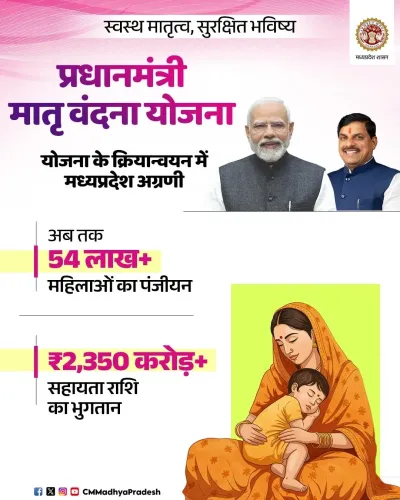
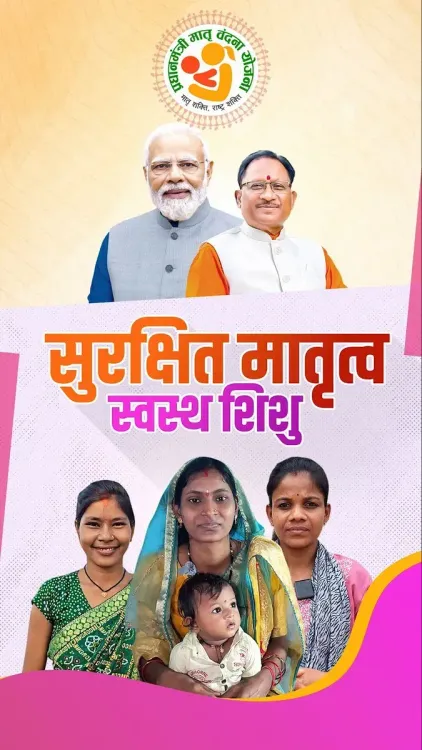
Chhattisgarh CM Vishnu Deo Sai spotlighted the Pradhan Mantri Matru Vandana Yojana on 24 September 2026, calling the 2017 central cash-transfer scheme the foundation of healthy motherhood and infant welfare in the state.
Key Takeaways
Chhattisgarh Chief Minister Vishnu Deo Sai publicly endorsed the Pradhan Mantri Matru Vandana Yojana (PMMVY) on 24 September 2026 .
PMMVY was launched in 2017 by the Ministry of Women and Child Development as a conditional cash-transfer scheme for pregnant and lactating women.
The scheme provides financial assistance in instalments linked to ante-natal check-ups and institutional delivery.
CM Sai framed the scheme as delivering 'honour and protection for motherhood' and credited PM Narendra Modi's leadership.
Chhattisgarh's tribal and rural demographics make the cash-transfer model particularly significant for improving maternal health access.
A healthy mother, a healthy child, a stronger family — Chhattisgarh Chief Minister Vishnu Deo Sai invoked this three-part promise on Thursday, 24 September 2026, spotlighting the Pradhan Mantri Matru Vandana Yojana (PMMVY) as a cornerstone of maternal welfare in the state.
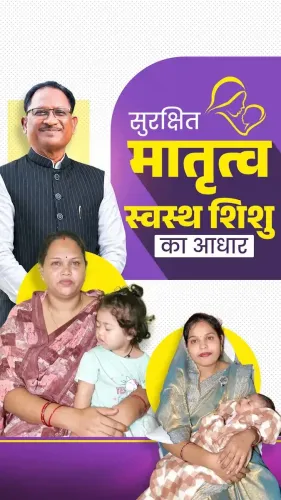
Posting in Hindi, CM Sai described the scheme as 'the foundation of a healthy infant and safe motherhood' (स्वस्थ शिशु और सुरक्षित मातृत्व का आधार), crediting Prime Minister Narendra Modi's leadership for driving it forward. The post is a pointed reminder that a nine-year-old central programme continues to function as the bedrock of maternal nutrition support across BJP-governed states.
What PMMVY does — and who it reaches
Launched in 2017 by the Ministry of Women and Child Development, the Pradhan Mantri Matru Vandana Yojana delivers conditional cash transfers directly to pregnant and lactating women, enabling them to meet nutritional needs and partially compensate for wage loss during pregnancy. The scheme targets first-time mothers, with benefits disbursed in instalments tied to ante-natal check-ups and institutional delivery.
In a state like Chhattisgarh — where tribal and rural populations face persistent barriers to institutional healthcare — the cash-transfer model carries outsized significance. The money reaches women who might otherwise skip clinic visits or deliver at home without skilled attendance.
State endorsement as implementation signal
CM Sai's public amplification of PMMVY is more than ceremonial. When a Chief Minister frames a central scheme in the language of 'honour and protection for motherhood' (मातृत्व को सम्मान और सुरक्षा), it signals the state machinery to keep the scheme's outreach active and its beneficiary pipeline moving. The broader pattern across BJP-ruled states is consistent: regular social-media spotlighting of flagship central programmes reinforces ground-level delivery accountability.
The real metric will be Chhattisgarh's beneficiary coverage numbers and improvements in maternal-health indicators — figures that the state's Women and Child Development department is expected to track quarter by quarter.
Point of View
Creating a feedback loop between political messaging and administrative delivery. For PMMVY, such top-down endorsement can meaningfully accelerate beneficiary enrolment, especially in hard-to-reach districts. The broader arc here is the Centre-state alignment on maternal and child nutrition — a policy domain where India still has ground to cover on global health benchmarks. The real test remains whether the amplification translates into measurable gains in Chhattisgarh's institutional delivery rates and child nutrition indicators.
NationPress
24 Sept 2026
Frequently Asked Questions
What is Pradhan Mantri Matru Vandana Yojana (PMMVY)?
PMMVY is a central government conditional cash-transfer scheme launched in 2017 to provide financial assistance to pregnant and lactating women for nutrition and healthcare, disbursed in instalments linked to ante-natal check-ups and institutional delivery.
Who is eligible for PMMVY benefits?
The scheme primarily targets first-time pregnant and lactating women, providing cash support to compensate for wage loss during pregnancy and to encourage health-facility visits.
Why did CM Vishnu Deo Sai post about PMMVY?
Chhattisgarh Chief Minister Vishnu Deo Sai posted on 24 September 2026 to highlight the scheme's role in improving maternal and infant health in Chhattisgarh, crediting PM Modi's leadership for the programme.
How is PMMVY implemented in Chhattisgarh?
The scheme is implemented through the state's Women and Child Development department, with cash transfers delivered to eligible beneficiaries in Chhattisgarh, including tribal and rural communities where healthcare access is limited.
When was PMMVY launched in India?
The Pradhan Mantri Matru Vandana Yojana was launched nationwide in 2017 by the Ministry of Women and Child Development under the Government of India.