CM Himanta meets Korean Ambassador in Guwahati, eyes semiconductor and K-pop ties
Synopsis
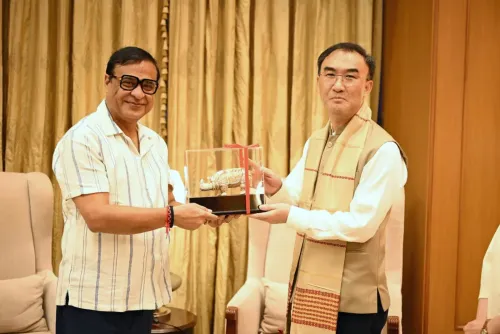
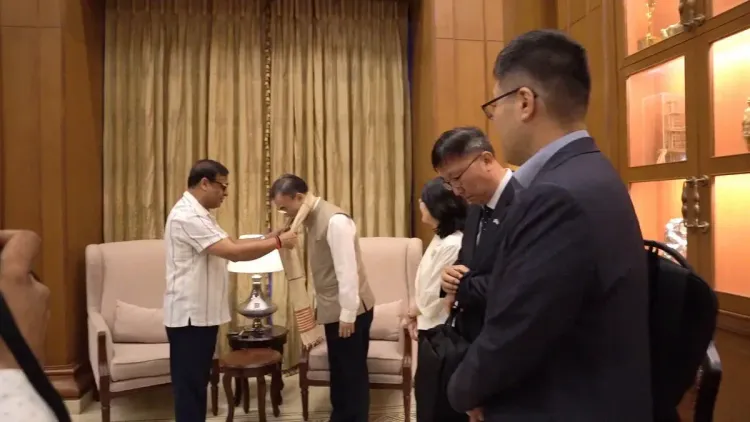
Assam CM Himanta Biswa Sarma hosted South Korean Ambassador Lee Seong-ho in Guwahati on September 24, 2026, discussing investment partnerships in semiconductors, tech parks and cosmetics, alongside K-pop and cultural exchange, advancing India's Act East Policy at the state level.
Key Takeaways
Assam CM Himanta Biswa Sarma met South Korean Ambassador H.E.
Lee Seong-ho in Guwahati on September 24, 2026 .
Discussions covered semiconductors , cosmetics , tech parks , and K-pop and entertainment-based cultural exchange .
CM Sarma referenced a 2025 visit to Seoul as the backdrop for ongoing bilateral engagement.
India's Semiconductor Mission and the Act East Policy (2014) provide the national policy framework for such state-level outreach to South Korea.
India and South Korea have operated under a Comprehensive Economic Partnership Agreement since 2009 .
The meeting in Guwahati — not New Delhi — underscores Northeast India's growing role as a direct destination for South Korean diplomatic and investment attention.
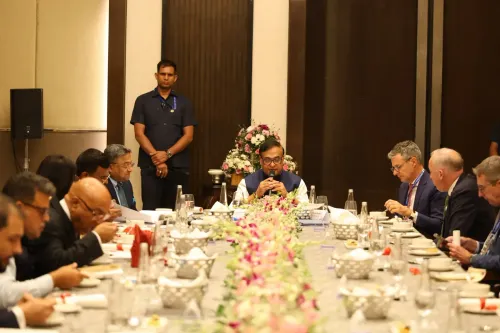
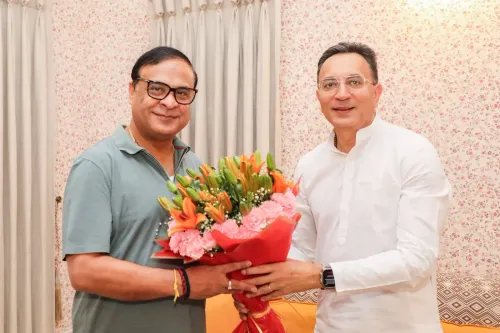
Guwahati is putting itself on the map for South Korean investment — and Assam Chief Minister Himanta Biswa Sarma made that case directly on Thursday, September 24, 2026, when H.E. Lee Seong-ho, Ambassador of the Republic of Korea to India, called on him in the city. The meeting ranged from cutting-edge semiconductors to the global pull of K-pop, signalling that Northeast India's engagement with Seoul is growing well beyond the ceremonial.
Semiconductors, tech parks and cosmetics on the table
CM Sarma described the conversation as one that 'brought back cherished memories' of his 2025 visit to Seoul, where he witnessed first-hand what he called Korea's 'remarkable blend of technological excellence, industrial vision and rich cultural heritage.' The sectors discussed were pointed and specific: semiconductors, cosmetics, and tech parks — each a pillar of South Korea's export economy and each an area where Assam has been angling for investment.
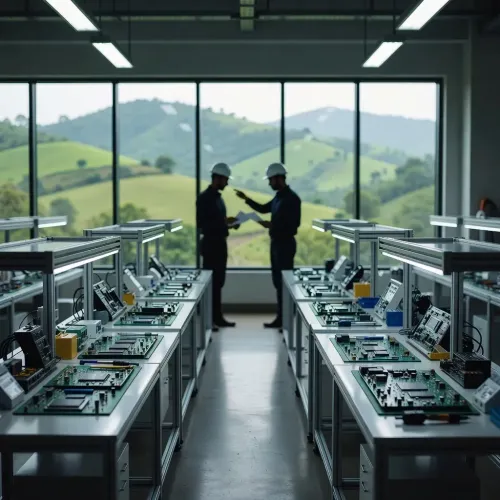
The semiconductor angle carries particular weight. India's national Semiconductor Mission, launched to build domestic chip manufacturing and design capacity, has created an opening for state governments to pitch themselves as destination hubs. Assam, with its improving connectivity and land availability, has been making that pitch to Asian technology powerhouses. A bilateral with the Korean Ambassador is a visible step in that direction.
Act East meets K-pop: the cultural dimension
The meeting was not purely transactional. Sarma flagged cultural exchange through entertainment and K-pop as a deliberate agenda item — a signal that Assam sees soft-power linkages, not just factory floors, as part of its Korean outreach. South Korea's cultural wave has a substantial following across Northeast India, making the region a natural bridge for people-to-people ties between the two countries.
India and South Korea have operated under a Comprehensive Economic Partnership Agreement since 2009, and New Delhi's Act East Policy — launched in 2014 — explicitly prioritises deepening economic and strategic links with East Asian nations including Seoul. State-level meetings like Thursday's are part of how that policy framework translates into on-the-ground momentum.
Guwahati's growing diplomatic footprint
That this meeting happened in Guwahati rather than New Delhi is itself a statement. The city has steadily emerged as a venue for diplomatic engagement focused on Northeast India's industrial ambitions, with foreign envoys making the trip to engage directly with state leadership rather than routing everything through the capital. South Korea's broader India strategy has historically concentrated on automotive and electronics hubs further south and west; a direct call on Assam's CM suggests Seoul is widening that lens.
The Korean Embassy in India (@RokEmbIndia) was tagged in Sarma's post, a gesture that signals the meeting was coordinated and both sides are content for the substance to be public.
Whether Thursday's conversation produces a formal investment proposal, an MoU, or a follow-up delegation will be the real test — but the groundwork, sector by sector, has now been laid in Guwahati.
Point of View
CM Sarma is trying to insert Assam into a supply-chain conversation that has historically bypassed the Northeast entirely. The inclusion of K-pop and cultural exchange is strategically astute: it leverages genuine grassroots enthusiasm for Korean culture across the region to build people-to-people ties that can underpin harder economic asks. The critical question is whether these conversations mature into signed commitments, or remain in the diplomatic holding pattern of 'discussions.'
NationPress
24 Sept 2026
Frequently Asked Questions
Why did the South Korean Ambassador visit Guwahati?
Ambassador Lee Seong-ho called on Assam Chief Minister Himanta Biswa Sarma in Guwahati on September 24, 2026, to discuss bilateral partnerships in semiconductors, tech parks, cosmetics and cultural exchange, including K-pop.
What sectors are India and South Korea discussing for Assam investment?
The discussions focused on semiconductors, cosmetics and tech parks as investment sectors, along with cultural and entertainment linkages including K-pop.
What is India's Act East Policy and how does it connect to this meeting?
India's Act East Policy, launched in 2014, aims to strengthen economic and strategic ties with East Asian countries including South Korea. State-level meetings like the one in Guwahati are how that policy is translated into on-the-ground action.
What is India's Semiconductor Mission?
India's Semiconductor Mission is a central government programme to build domestic semiconductor manufacturing, design and supply-chain capabilities, which creates an opening for states like Assam to attract Korean chip and tech investment.
When did India and South Korea sign their trade agreement?
India and the Republic of Korea signed the Comprehensive Economic Partnership Agreement in 2009, forming the foundation for expanded trade, investment and technology cooperation between the two countries.