CM Sai's Chintan Shivir 3.0 to Shape Chhattisgarh Policy
Synopsis
The Chhattisgarh CMO announced on 6 July 2026 that inputs from Chintan Shivir 3.0 will now be converted into policy and implementation under CM Vishnu Dev Sai, with a focus on digital services, transparency, and swift grievance redressal to build a developed Chhattisgarh.
Key Takeaways
Chintan Shivir 3.0 is the third edition of the Chhattisgarh government's structured governance consultation exercise.
CM Vishnu Dev Sai , in office since December 2023 , is leading the initiative to translate brainstorming outputs into policy action.
The government has committed to expanding digital services , improving administrative transparency, and ensuring swift grievance redressal.
The initiative aligns with the national Viksit Bharat 2047 framework and the state's ongoing Digital India commitments.
Specific recommendations and implementation timelines are yet to be published; the next state budget and departmental orders will be key milestones to track.
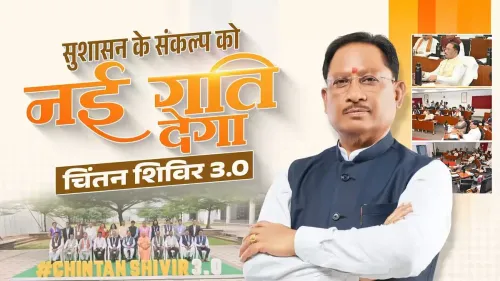
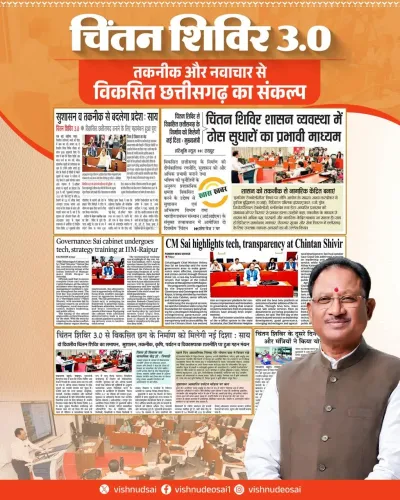
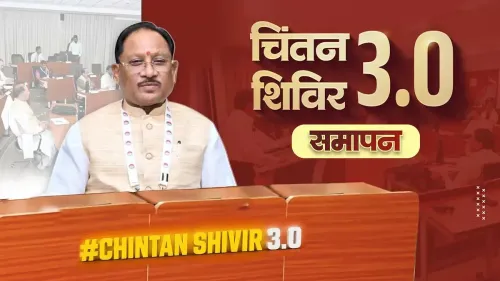
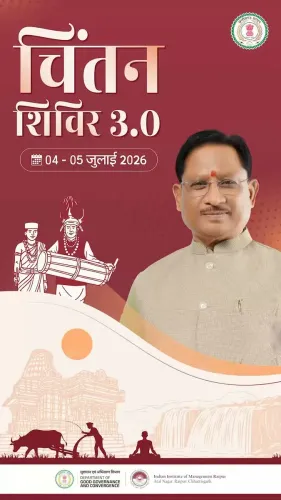
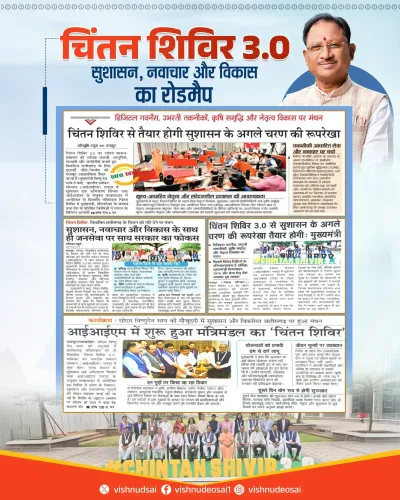
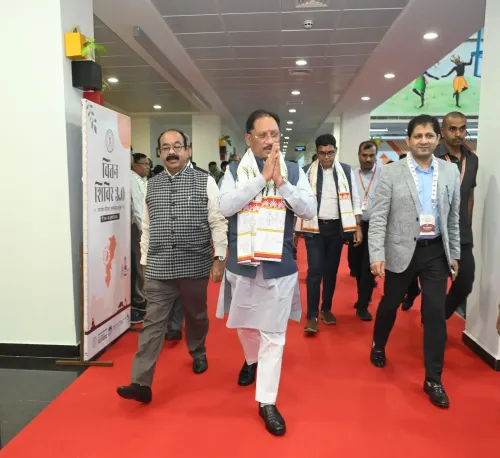
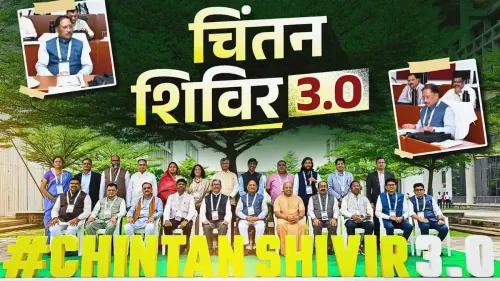
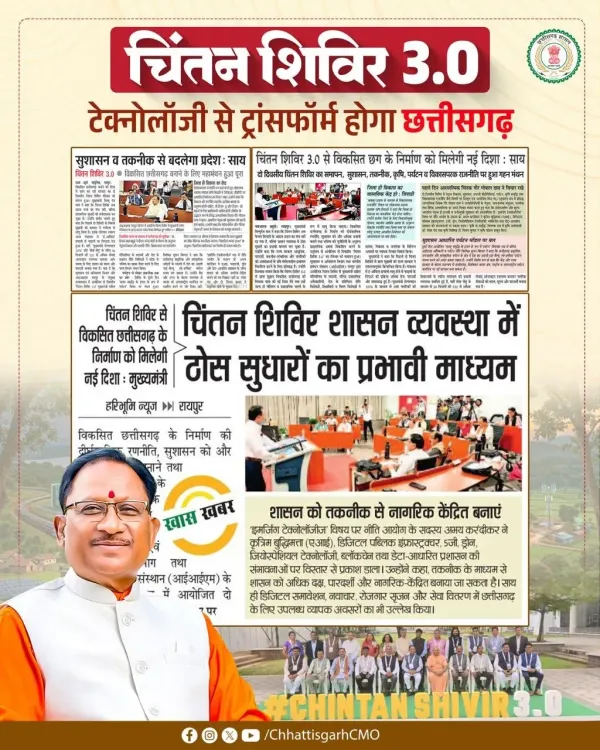
The Chief Minister's Office of Chhattisgarh announced on Monday, 6 July 2026, that recommendations gathered during Chintan Shivir 3.0 — the third edition of the state government's structured governance brainstorming camp — will now be translated into concrete policy and implementation measures under the leadership of Chief Minister Vishnu Dev Sai.
The post, shared in Hindi, states: 'मुख्यमंत्री श्री विष्णु देव साय के नेतृत्व में चिंतन शिविर 3.0 से मिले सुझाव अब नीति और क्रियान्वयन में दिखेंगे' — meaning, 'Under the leadership of Chief Minister Shri Vishnu Dev Sai, the suggestions received from Chintan Shivir 3.0 will now be reflected in policy and implementation.' The announcement underscores a commitment to digital service expansion, transparent administration, and swift grievance redressal as pillars of a Viksit Chhattisgarh (Developed Chhattisgarh).
Context
Vishnu Dev Sai assumed office as Chief Minister of Chhattisgarh in December 2023 following the BJP's victory in the state assembly elections. His administration has since convened successive Chintan Shivir rounds — structured consultation exercises designed to gather inputs from officials, subject-matter experts, and stakeholders on governance priorities. The third edition, Chintan Shivir 3.0, is the latest iteration of this process. The CMO's announcement signals that the deliberative phase has concluded and an action-oriented phase is now beginning.
Policy Backdrop
Chhattisgarh, a mineral-rich and heavily forested state in central India with a substantial tribal population, has been expanding its e-governance infrastructure since the mid-2010s in alignment with the national Digital India programme. The current government's emphasis on digital service delivery, administrative transparency, and rapid resolution of citizen grievances mirrors the broader Viksit Bharat 2047 framework that multiple state governments have adopted as a guiding development vision. The Chintan Shivir model itself reflects a wider trend among BJP-governed states of using structured consultation to convert electoral mandates into administrative action plans.
Stakeholders and Impact
The primary beneficiaries of the initiative are Chhattisgarh's citizens, particularly those in remote and tribal regions who have historically faced barriers to accessing government services. Expanded digital platforms and streamlined grievance mechanisms, if implemented effectively, could meaningfully reduce the time and cost of interacting with state departments. State administrative departments will be the key implementing agencies, and the success of the exercise will depend on how systematically the Chintan Shivir recommendations are embedded in departmental workflows and budget allocations.
What's Next
The announcement positions Chintan Shivir 3.0 as a policy-input exercise with direct downstream consequences, but the specific recommendations and their timelines remain to be made public. Observers will watch for their appearance in the next Chhattisgarh state budget or in formal administrative orders issued by individual departments. Progress on digital service metrics — such as uptake of online portals and grievance resolution rates — will serve as early indicators of whether the shivir's outputs are being operationalised. The CMO's use of the hashtags #ViksitChhattisgarh and #SushasanSarkar signals that governance quality will remain a central political messaging theme for the Sai administration in the months ahead.
Point of View
A transition that has often been the weak link in similar exercises across Indian states. By publicly committing to embedding Chintan Shivir 3.0 recommendations in policy and implementation, the Sai government is raising its own accountability benchmark ahead of the next electoral cycle. The emphasis on digital expansion and transparency also dovetails with the BJP's national narrative around 'good governance,' giving the state government a dual dividend: administrative credibility and political messaging. Whether the outputs move beyond announcements into measurable service improvements will define the legacy of this particular governance model in Chhattisgarh.
NationPress
5 Oct 2026
Frequently Asked Questions
What is Chintan Shivir 3.0 in Chhattisgarh?
Chintan Shivir 3.0 is the third edition of a state-level governance brainstorming camp convened by the Chhattisgarh government under Chief Minister Vishnu Dev Sai to gather policy suggestions on administration, digital services, and development priorities.
Who is the Chief Minister of Chhattisgarh in 2026?
Vishnu Dev Sai is the Chief Minister of Chhattisgarh. He took office in December 2023 after the BJP won the state assembly elections.
What is Viksit Chhattisgarh?
'Viksit Chhattisgarh' translates to 'Developed Chhattisgarh' and is the state government's vision framework for accelerated development, aligning with the national Viksit Bharat 2047 goal.
What changes will come from Chintan Shivir 3.0?
The Chhattisgarh CMO has stated that suggestions from Chintan Shivir 3.0 will be reflected in policy decisions and implementation, with a focus on expanding digital services, improving transparency, and ensuring faster resolution of citizen grievances. Specific measures are yet to be announced.
How has Chhattisgarh expanded digital governance?
Chhattisgarh has been building its e-governance infrastructure since the mid-2010s in line with the national Digital India programme, progressively moving government services online to improve citizen access, particularly in remote and tribal areas.