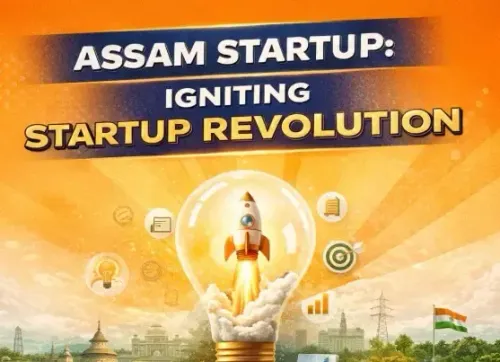
Assam Cabinet clears Startup Policy for Higher Education
Synopsis
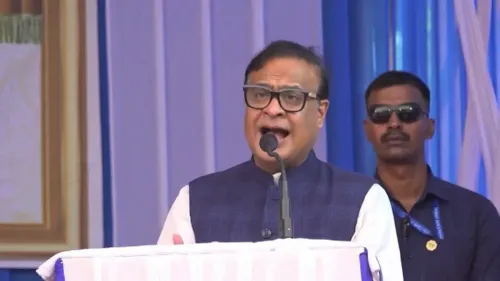
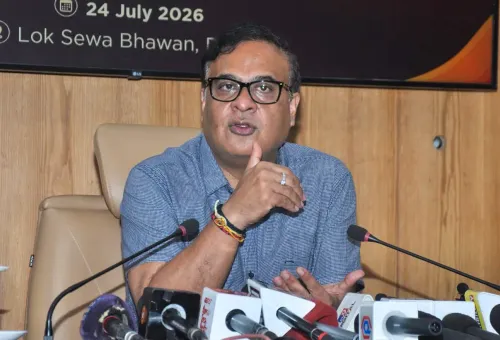
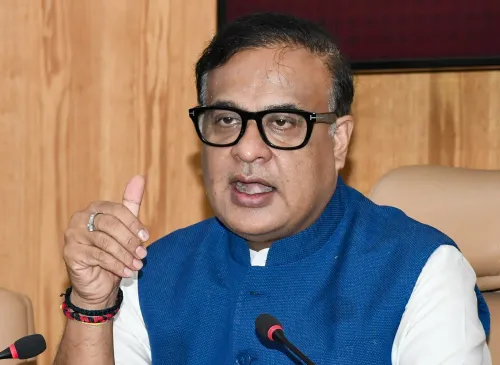
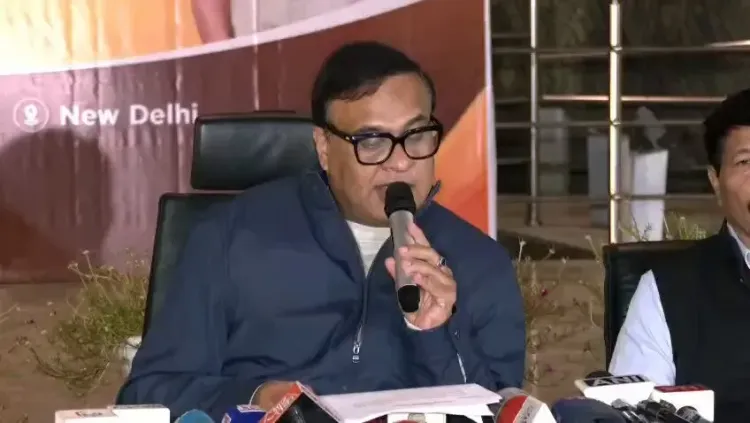
The Assam Cabinet on 19 November 2026 approved the 'Innovation and Startup Policy in Higher Educational Institutes,' a framework to build startup ecosystems and foster innovation within Assam's universities and colleges, announced by Chief Minister Dr. Himanta Biswa Sarma.
Key Takeaways
The Assam Cabinet approved the 'Innovation and Startup Policy in Higher Educational Institutes' on 19 November 2026 .
The policy aims to foster a vibrant startup ecosystem and promote innovation across Assam's higher educational institutions.
Himanta Biswa Sarma announced the cabinet decision; he has led the state since 2021 .
The move aligns with national frameworks including Startup India and the National Education Policy 2020 , which both push campus-based entrepreneurship.
Details on funding mechanisms, rollout timelines, and institutional guidelines are yet to be made public.
Higher-education students and colleges across Assam are the primary direct beneficiaries of the policy.
Assam just told its college students: your campus can be your launchpad. The Assam Cabinet, meeting on 19 November 2026, approved the 'Innovation and Startup Policy in Higher Educational Institutes' — a dedicated framework to seed startup culture and innovation directly inside the state's universities and colleges, as announced by Chief Minister Dr. Himanta Biswa Sarma.
What the cabinet cleared — and what it signals
The policy, whose title the Chief Minister's Office confirmed verbatim, is designed to build a 'vibrant startup ecosystem' within Assam's higher educational institutions. The move shifts the needle from generic skilling talk to a structural intervention: putting entrepreneurship infrastructure — mentorship, incubation frameworks, and innovation incentives — inside the campuses where young Assamese students already spend their formative years.
Assam's higher education landscape spans dozens of universities and hundreds of colleges, many in semi-urban and rural belts that rarely feature in startup conversations. A campus-anchored policy, if implemented with teeth, could change that geography of opportunity.
CM Himanta's education reform track record
Chief Minister Himanta Biswa Sarma, who has held office since 2021, has consistently framed education reform as a pillar of Assam's economic transformation. The state has pushed teacher accountability drives, campus infrastructure upgrades, and exam integrity measures in quick succession. The startup policy is the innovation-economy chapter of that same playbook — an acknowledgment that disciplinary reform must run alongside economic opportunity creation to keep young talent in Assam rather than watching it migrate to metros.
The move also tracks with national priorities: the Government of India's Startup India and the National Education Policy 2020 both explicitly push institutions to embed entrepreneurship in curricula. Assam's cabinet-level approval gives the policy institutional weight, not merely departmental aspiration.
What implementation will determine
The policy's real test lies ahead. Specifics on funding mechanisms, institution-wise rollout timelines, eligibility criteria for student startups, and linkages to existing state or central incubation schemes have not yet been detailed publicly. Those details — whether the policy flows money to dedicated incubation cells, grants seed funding, or creates faculty-level innovation coordinators — will determine whether this becomes a genuine launchpad or a well-worded gazette notification.
Higher-education students across Assam, the most direct stakeholders, will be watching for the operational guidelines. So will institutions that have already been building informal startup cells with limited state support.
Assam has approved the architecture. Now the question is whether it builds the building — and how fast.
Point of View
Assam is betting that institutional proximity is the most efficient route to scaling youth entrepreneurship in a state where talent migration to metros has long been a structural drain. The policy also gives Assam a credible hook to claim alignment with the National Education Policy 2020's entrepreneurship mandates, which could unlock central co-funding. The gap between intent and impact will narrow — or widen — entirely based on the operational architecture yet to be disclosed.
NationPress
19 Nov 2026
Frequently Asked Questions
What is the Assam Innovation and Startup Policy in Higher Educational Institutes?
It is a policy approved by the Assam Cabinet on 19 November 2026 to build startup ecosystems and promote innovation within universities and colleges across Assam.
Who announced the Assam startup policy for colleges?
Chief Minister Dr. Himanta Biswa Sarma announced the cabinet approval through the Chief Minister's Office of Assam.
Which students or institutions will benefit from this Assam startup policy?
Students enrolled in higher educational institutes — universities and colleges — across Assam are the primary beneficiaries, though institution-specific eligibility details are yet to be released.
How does Assam's startup policy align with national schemes?
The policy aligns with the Government of India's Startup India initiative and the National Education Policy 2020, both of which encourage higher educational institutions to embed entrepreneurship and innovation into their ecosystems.
When will the Assam Innovation and Startup Policy be implemented?
The policy was approved on 19 November 2026; detailed implementation guidelines, funding mechanisms, and rollout timelines have not yet been publicly announced.