CM Sai Marks 12 Years of Modi Govt's Women Welfare Push
Synopsis
Chhattisgarh Chief Minister Vishnu Deo Sai marked 12 years of the Modi government by highlighting five central schemes — Beti Bachao Beti Padhao, Ujjwala Yojana, Jal Jeevan Mission, Swachh Bharat Mission, and Jan Dhan Yojana — as pillars of women's empowerment in India.
Key Takeaways
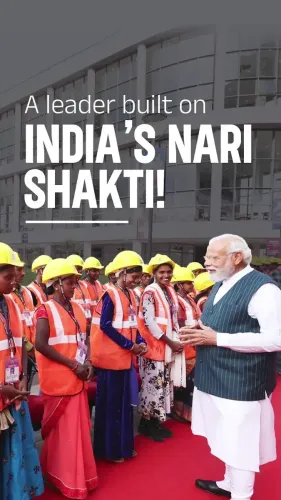
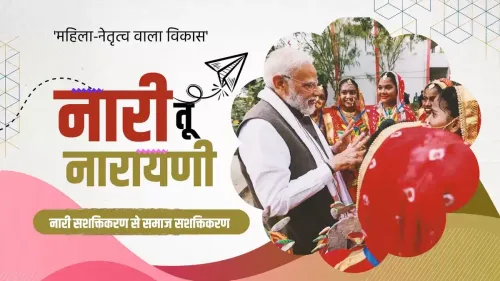
CM Vishnu Deo Sai posted on June 12, 2026 , marking 12 years of the Modi government's women-welfare agenda under the hashtag #12YearsOfNariShakti .
Beti Bachao Beti Padhao (2015) and Pradhan Mantri Ujjwala Yojana (2016) were cited as key interventions for girls' education and clean cooking fuel access.
Jal Jeevan Mission (2019) targets piped water for every rural household, directly easing the burden on women in states like Chhattisgarh .
Swachh Bharat Mission (2014) and Pradhan Mantri Jan Dhan Yojana (2014) addressed sanitation and financial inclusion for women respectively.
The post frames women as the 'leading force' of development, not merely participants — consistent with BJP's national 'Nari Shakti' communications strategy.
State-level implementation progress in Chhattisgarh , especially in tribal districts, will be watched as the political milestone prompts renewed scrutiny of on-ground outcomes.
Chhattisgarh Chief Minister Vishnu Deo Sai on Friday, June 12, 2026, paid tribute to what he called a new chapter in women's empowerment written under the leadership of Prime Minister Narendra Modi over the past 12 years, citing flagship central government schemes that have targeted women across education, sanitation, clean fuel, water access, and financial inclusion.
Context
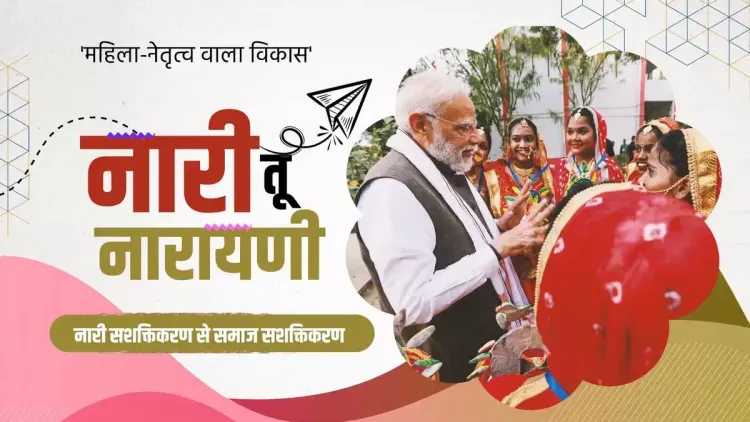
Posting under the hashtag #12YearsOfNariShakti, CM Sai wrote: 'Nari se hi Narayan, Nari se hi Navbharat' — 'From women comes the divine, from women comes the new India' — framing women not merely as participants in development but as its 'leading force.' The post was accompanied by a video and was directed at @narendramodi, signalling both a tribute to the Prime Minister and an alignment of Chhattisgarh's BJP government with the national narrative on women's welfare.
The occasion marks 12 years of the Narendra Modi-led central government, which assumed office in May 2014. BJP leaders at the central and state levels have used this milestone to highlight the cumulative reach of welfare programmes launched since then.
Policy Backdrop
CM Sai specifically named five schemes in his post. Beti Bachao Beti Padhao, launched in 2015, was designed to address a declining child sex ratio and widen access to girls' education. Pradhan Mantri Ujjwala Yojana, introduced in 2016, extended LPG cooking gas connections to women from below-poverty-line households, reducing dependence on biomass fuel.
Jal Jeevan Mission, rolled out in 2019, aims to provide piped tap-water connections to every rural household — a measure with direct quality-of-life implications for women who traditionally bear the burden of water collection. Swachh Bharat Mission, launched in 2014, prioritised household toilet construction with women's safety and dignity as an explicit goal. Pradhan Mantri Jan Dhan Yojana, also from 2014, expanded banking access and created a channel for direct benefit transfers to women beneficiaries.
Stakeholders and Impact
The primary beneficiaries of the schemes cited are women in rural and semi-urban households, particularly those from economically weaker sections. In a state like Chhattisgarh, where a significant share of the population is rural and tribal, programmes such as Ujjwala Yojana and Jal Jeevan Mission carry particular relevance for daily living conditions.
By invoking all five schemes together, CM Sai reinforces a composite 'Nari Shakti' narrative — one that frames women's empowerment not as a single-point intervention but as a multi-dimensional policy commitment spanning health, education, sanitation, energy, water, and finance. This framing has become a recurring motif in BJP communications at both the national and state level.
What's Next
With the 12-year milestone being marked publicly, attention will turn to state-level coverage data for these schemes in Chhattisgarh and whether the anniversary prompts fresh budgetary allocations or new women-centric announcements in the state's upcoming budget cycle. Progress on ground-level implementation — particularly the completion of Jal Jeevan Mission tap connections in tribal districts — will be a key measure of how the political narrative translates into outcomes.
Point of View
The communication seeks to present a coherent decade-long policy arc rather than isolated initiatives. For Chhattisgarh, a state with large rural and tribal populations, the salience of programmes like Ujjwala and Jal Jeevan Mission is genuine, even as independent assessments of last-mile delivery remain mixed. The post signals that as the BJP approaches future electoral cycles, women's welfare will remain a primary plank in both national and state narratives.
NationPress
25 Sept 2026
Frequently Asked Questions
What is the 12 Years of Nari Shakti campaign about?
The '12 Years of Nari Shakti' campaign marks 12 years of the Narendra Modi government and highlights central welfare schemes — including Beti Bachao Beti Padhao, Ujjwala Yojana, Jal Jeevan Mission, Swachh Bharat Mission, and Jan Dhan Yojana — that have targeted women's education, sanitation, energy, water, and financial access since 2014.
What did Chhattisgarh CM Vishnu Deo Sai say about women's empowerment?
CM Vishnu Deo Sai said that under PM Modi's leadership over 12 years, India has written a new story of women's empowerment, and that mothers, sisters, and daughters have become not just participants in development but its 'leading force.'
What is Pradhan Mantri Ujjwala Yojana and who does it benefit?
Pradhan Mantri Ujjwala Yojana, launched in 2016, provides free LPG cooking gas connections to women from below-poverty-line households, reducing health risks from biomass fuel and improving quality of life in rural areas including Chhattisgarh.
How does Jal Jeevan Mission help women in Chhattisgarh?
Jal Jeevan Mission, rolled out in 2019, aims to provide piped tap-water connections to every rural household. In Chhattisgarh, where many women travel long distances to fetch water, the scheme directly reduces that burden and improves daily living conditions.
What is Beti Bachao Beti Padhao scheme?
Beti Bachao Beti Padhao is a central government scheme launched in 2015 to address the declining child sex ratio and promote girls' education. It runs across districts in India and is one of the flagship programmes cited under the Nari Shakti narrative.