CM Vishnu Deo Sai Celebrates Bastar Dussehra's Tribal Heritage
Synopsis
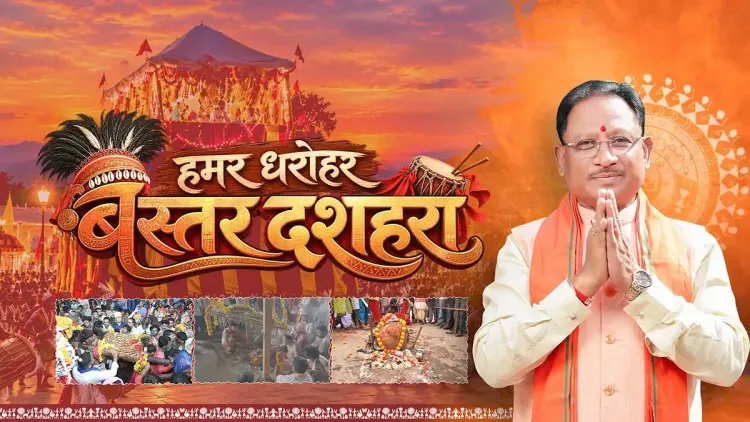
Chhattisgarh CM Vishnu Deo Sai marked Bastar Dussehra on 20 October 2026, celebrating the tribal festival's centuries-old traditions centred on Maa Danteshwari and calling for its global recognition.
Key Takeaways
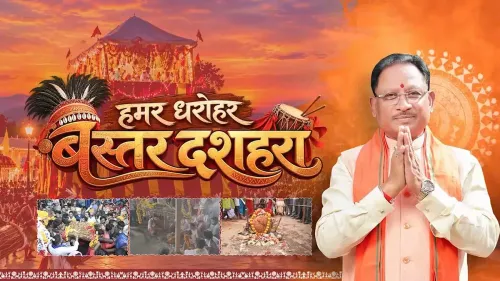
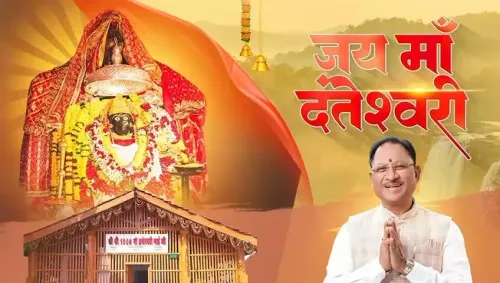
CM Vishnu Deo Sai posted a tribute to Bastar Dussehra on 20 October 2026 , invoking the blessings of Maa Danteshwari .
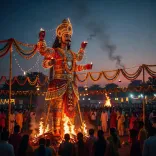
Bastar Dussehra is one of India's longest festivals, distinct from mainstream Dussehra — it centres on tribal rituals and goddess worship, not the burning of Ravana's effigy.
The festival is based in Jagdalpur, Bastar district , southern Chhattisgarh , and draws participation from dozens of tribal communities.
CM Sai, himself from a tribal community, framed the festival as a symbol of tribal pride and Chhattisgarh's cultural heritage .
The post used #BastarDussehra and #Dussehra2026 , reflecting state-level efforts to boost the festival's national and global digital visibility.
In the heart of central India, a festival unlike any other is under way — one that stretches far beyond a single night of effigy-burning and carries centuries of tribal memory in its rituals. Chhattisgarh Chief Minister Vishnu Deo Sai on Tuesday, 20 October 2026, invoked the blessings of Maa Danteshwari and celebrated the globally renowned Bastar Dussehra as a living symbol of the state's tribal pride and cultural legacy.
Posting on X, CM Sai described the festival as 'sadiyon ki gauravshali parampara, janjatiya sanskriti aur lok aastha ka anupam sangam' — 'an extraordinary confluence of centuries of glorious tradition, tribal culture, and folk faith.' He prayed that the glory of this priceless heritage of Chhattisgarh spreads across the world and that the region remains forever illuminated by peace, happiness, and prosperity.What Makes Bastar Dussehra Unlike Any Other
Bastar Dussehra is rooted in the worship of Maa Danteshwari, the presiding deity of the Bastar region, and is distinguished from the mainstream Hindu festival by its deep integration of tribal customs and community rituals. Celebrated in and around Jagdalpur, the headquarters of Bastar district in southern Chhattisgarh, the festival is one of the longest of its kind in India, spanning several weeks. It draws participation from dozens of tribal communities, each contributing specific ceremonial roles passed down through generations — a living institutional memory with no written rulebook. The festival's rituals bear little resemblance to the Ram Lila tradition observed elsewhere in India. There is no burning of Ravana's effigy. Instead, the ceremonies centre on the goddess, the forest, and the land — a theological and cultural orientation that sets Bastar's tribal populations apart and makes the event a subject of serious ethnographic interest.Chhattisgarh's Tribal Identity on a National Stage
Chhattisgarh, carved out of Madhya Pradesh in 2000, is home to a significant scheduled tribe population, particularly concentrated in the Bastar division. State governments across successive administrations have sought to project Bastar Dussehra as a flagship cultural asset — a marker of regional identity with potential as a cultural tourism draw. For CM Sai, a leader who himself comes from a tribal community, the invocation of Maa Danteshwari and the framing of Bastar Dussehra as a matter of 'tribal pride' carries particular resonance. His post connects the ceremonial with the political in the way only a regional leader who shares the community's roots can — without it feeling performative. The hashtags #BastarDussehra and #Dussehra2026 signal a concerted effort to amplify the festival's digital footprint, pushing it toward national and global visibility at a time when cultural heritage and tourism are increasingly central to state branding strategies.Point of View
Championing Bastar Dussehra is both cultural stewardship and political signalling — the tribal heartland of Bastar is electorally significant, and CM Sai's own tribal identity lends authenticity to the gesture. The post fits a broader BJP pattern of reclaiming and mainstreaming tribal and folk traditions as part of the party's 'cultural nationalism' framework, distinct from its Hindutva urban imagery. Sustained state promotion of the festival also aligns with the central government's push for heritage tourism as an economic lever. The real test will be whether amplified visibility translates into measurable cultural tourism infrastructure in a region that has historically faced development and security challenges.
NationPress
20 Oct 2026
Frequently Asked Questions
What is Bastar Dussehra and why is it famous?
Bastar Dussehra is a weeks-long festival celebrated in Jagdalpur, Chhattisgarh, centred on the worship of Maa Danteshwari. Unlike mainstream Dussehra, it does not involve burning Ravana's effigy; instead it features distinct tribal rituals and ceremonies, making it one of the most culturally unique festivals in India.
Who is Maa Danteshwari?
Maa Danteshwari is the presiding deity of the Bastar region in Chhattisgarh. She is worshipped as the divine protector of the land and its tribal communities, and her temple in Dantewada is one of the most revered shrines in central India.
What did CM Vishnu Deo Sai say about Bastar Dussehra?
CM Sai described Bastar Dussehra as a unique confluence of centuries of tradition, tribal culture, and folk faith, and prayed to Maa Danteshwari for the festival's global recognition and for peace and prosperity in the region.
How long does Bastar Dussehra last?
Bastar Dussehra is one of India's longest festivals, spanning several weeks, with various tribal communities participating in specific ceremonial rituals across the duration of the festival.
Why is Bastar Dussehra different from Dussehra celebrated elsewhere in India?
Bastar Dussehra is rooted in tribal traditions and goddess worship rather than the Ram Lila narrative. It does not involve burning Ravana's effigy and instead features community-specific rituals passed down through generations by the tribal communities of the Bastar region.