CM Sai joins Hareli Tihar and Aazadi Ki Dhun in Raipur
Synopsis
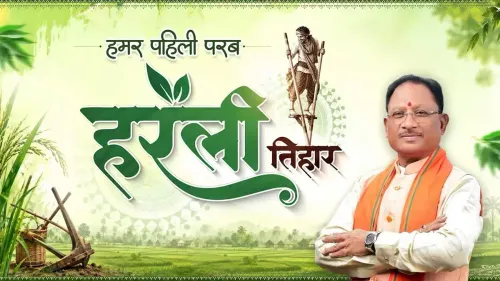
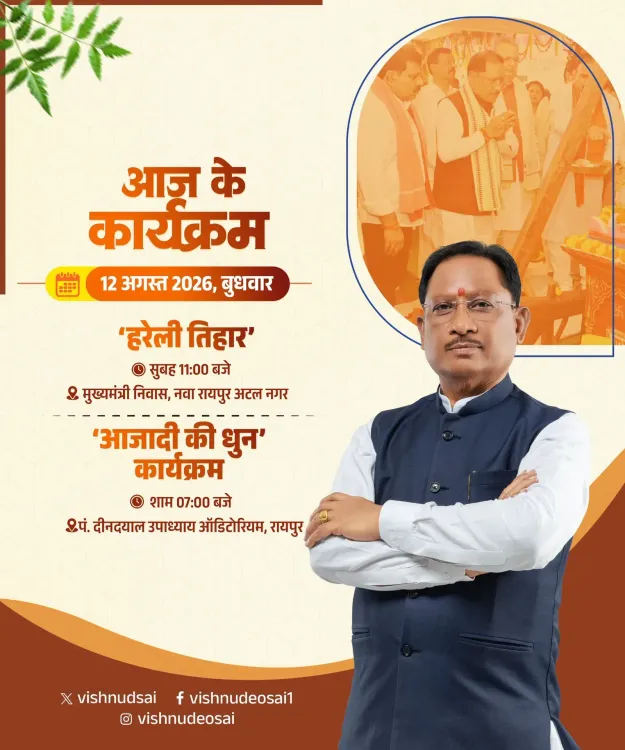
Chief Minister Vishnu Deo Sai joins Hareli Tihar at his Nava Raipur residence and the 'Aazadi Ki Dhun' programme in Raipur on 12 August 2026, linking Chhattisgarh's agrarian folk traditions with Independence Day patriotism.
Key Takeaways
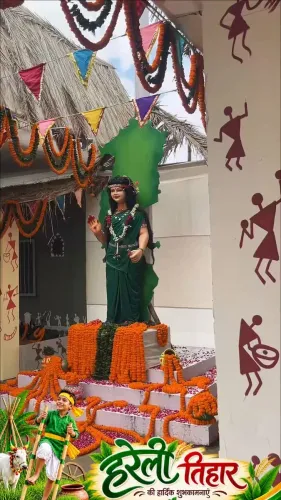
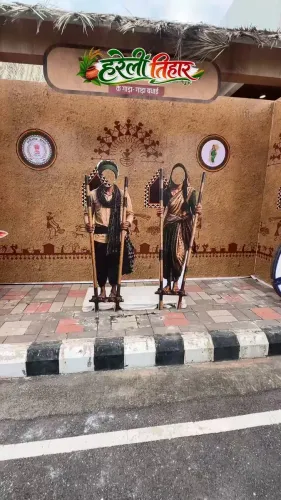
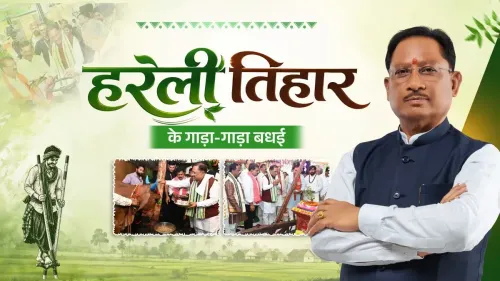
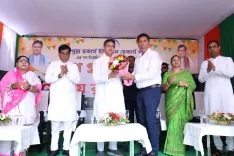
CM Vishnu Deo Sai participated in Hareli Tihar at the Chief Minister's residence in Nava Raipur on 12 August 2026 .
Hareli Tihar is a traditional Chhattisgarhi festival tied to the monsoon agricultural cycle and farming community rituals.
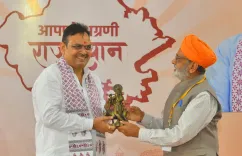
A second event, 'Aazadi Ki Dhun' , a patriotic cultural programme, was held in Raipur as part of the Independence Day build-up.
The twin-event format reflects a pattern of state governments pairing regional cultural festivals with national-pride programming ahead of 15 August .
CM Sai's post linked Chhattisgarh's soil, culture, and patriotism as the defining identity of the state.
Chhattisgarh's soil, its farming calendar, and its tricolour pride converged on Wednesday, 12 August 2026, as Chief Minister Vishnu Deo Sai announced his participation in two back-to-back celebrations — the traditional Hareli Tihar at the Chief Minister's residence in Nava Raipur and the patriotic 'Aazadi Ki Dhun' programme in Raipur — just days before Independence Day.
Hareli Tihar: Chhattisgarh's oldest monsoon ritual
Hareli Tihar is one of the earliest festivals in the Chhattisgarhi agricultural calendar, observed at the onset of the monsoon when fields turn lush and green. Rooted in the rhythms of farming communities, the festival involves rituals centred on crops, livestock, and traditional implements — a living link between the state's predominantly rural population and its ancestral land practices. Chhattisgarh, carved out of Madhya Pradesh in 2000, holds one of India's largest tribal and agrarian populations, and festivals like Hareli remain central to its cultural identity.
CM Sai captured the spirit in his post: 'Hareli ki hariyaali ho ya tirangle ki shaan, hamaari maati, sanskriti aur rashtraprema hi Chhattisgarh ki pehchaan hai' — 'Whether it is the greenery of Hareli or the glory of the tricolour, our soil, culture, and patriotism are the true identity of Chhattisgarh.' The line deliberately stitches the local and the national into a single sentiment.
'Aazadi Ki Dhun' and the Independence Day build-up
The second event, 'Aazadi Ki Dhun' — roughly, 'The Melody of Freedom' — is a patriotic cultural programme in Raipur, timed to the run-up to Independence Day on 15 August. State governments across India routinely pair regional harvest festivals with national-pride programming in this window, and Chhattisgarh's twin-event format follows that established pattern. The Chief Minister's presence at both venues in a single day signals an effort to frame Chhattisgarhi folk tradition and Indian nationalism as complementary, not competing, identities.
The venue for Hareli Tihar — the Chief Minister's official residence in Nava Raipur, the state's planned capital also known as Atal Nagar — adds institutional weight to what is otherwise a grassroots community festival, reflecting the BJP government's broader push to elevate regional cultural celebrations into state-level occasions.
Agriculture and identity at the centre of Sai's messaging
For Vishnu Deo Sai, who took office after the BJP's victory in the 2023 Chhattisgarh assembly elections, these appearances carry a dual purpose: honouring the farming communities that form the backbone of the state's economy, and reinforcing a cultural nationalism narrative ahead of a major national holiday. Watch for any follow-up announcements on agricultural heritage schemes or cultural festival support in the days surrounding 15 August 2026.
Hareli's green fields and the tricolour's saffron, white, and green — on this day, the Chief Minister is making sure both fly together.
Point of View
Elevating Hareli Tihar to a Chief Minister's residence event is a deliberate signal to farming and indigenous communities. The timing — three days before Independence Day — maximises the symbolic overlap between local pride and national loyalty. Whether this translates into substantive agricultural or cultural policy announcements will be the real measure of intent.
NationPress
12 Aug 2026
Frequently Asked Questions
What is Hareli Tihar in Chhattisgarh?
Hareli Tihar is one of the earliest and most important festivals in Chhattisgarh's agricultural calendar, celebrated at the onset of the monsoon. It involves rituals centred on crops, livestock, and farming implements, and is deeply connected to the state's rural and tribal communities.
Where did CM Vishnu Deo Sai attend Hareli Tihar in 2026?
CM Vishnu Deo Sai attended the Hareli Tihar celebrations at the Chief Minister's official residence in Nava Raipur, also known as Atal Nagar, on 12 August 2026.
What is 'Aazadi Ki Dhun' and where was it held?
'Aazadi Ki Dhun' — meaning 'The Melody of Freedom' — is a patriotic cultural programme held in Raipur as part of the Independence Day build-up. CM Sai participated in it on 12 August 2026, just before Independence Day on 15 August.
Who is Vishnu Deo Sai and when did he become CM of Chhattisgarh?
Vishnu Deo Sai is a BJP leader who became Chief Minister of Chhattisgarh after the party's victory in the 2023 state assembly elections. He is a tribal leader from the state.
What is Nava Raipur and why is it significant?
Nava Raipur, officially known as Atal Nagar, is the planned capital city of Chhattisgarh. It houses key government buildings including the Chief Minister's official residence, making it the administrative heart of the state.