CM Bhajan Lal Honours Rajasthan's Emergency-Era Democracy Fighters
Synopsis
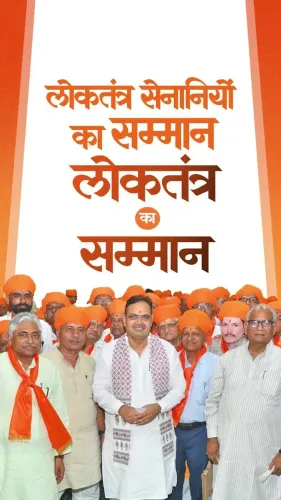
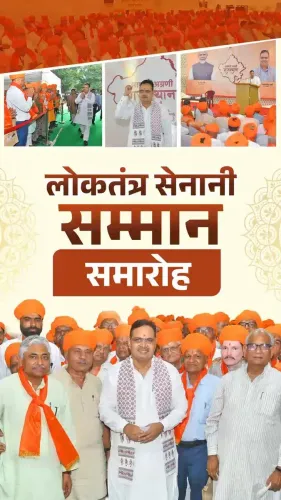
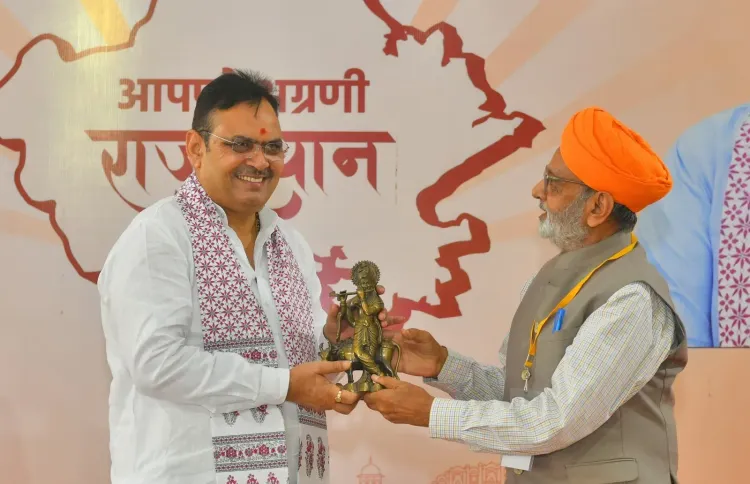
Rajasthan CM Bhajan Lal Sharma hosted a formal honour ceremony for Emergency-era democracy fighters at his official residence on 12 August 2026, engaging them in personal dialogue and reaffirming state commitment to their welfare and that of their families.
Key Takeaways
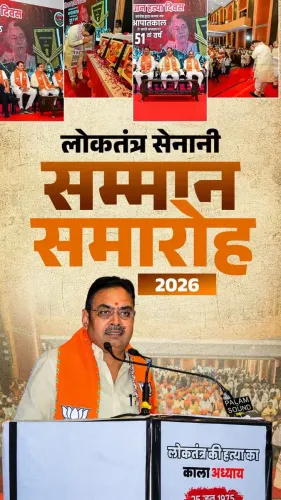
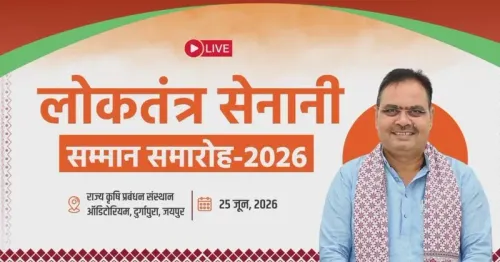
Rajasthan CM Bhajan Lal Sharma held the Loktantra Senani Samman Samaroh at the Chief Minister's residence on 12 August 2026 .
Loktantra Senani are individuals who resisted or were detained during India's national Emergency of 1975–77 .
Sharma personally conversed with veterans, describing their sacrifice as having 'strengthened democratic values.' The government pledged 'full sensitivity' to the honour, welfare and interests of democracy fighters and their families.
BJP-led state governments have held such ceremonies repeatedly, framing them as affirmations of democratic values.
Specific welfare measures or financial schemes announced at the event are yet to be officially confirmed.
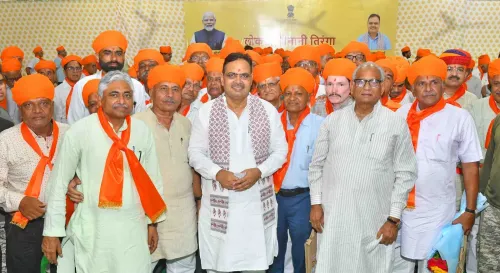
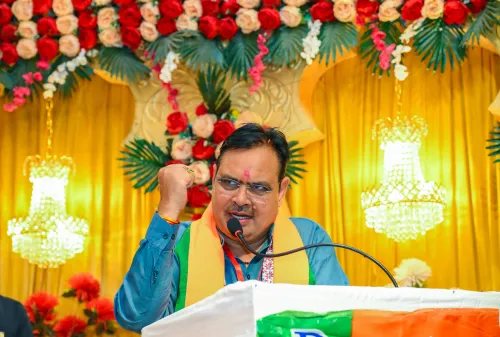
Half a century after India's darkest democratic chapter, the men and women who refused to bend are being called to the table. Rajasthan Chief Minister Bhajan Lal Sharma hosted a Loktantra Senani Samman Samaroh (Democracy Fighters Honour Ceremony) at the Chief Minister's residence on Wednesday, 12 August 2026, sitting in personal conversation with veterans of the 1975–77 Emergency resistance and pledging his government's full commitment to their welfare.
Sharma shared on X that he 'engaged in heartfelt dialogue with the democracy fighters, learning of their struggles, experiences and thoughts.' He described their sacrifice, courage and fight in defence of democracy as having 'strengthened democratic values,' adding that 'their lives and dedication will forever be a source of inspiration for coming generations.'
Who Are the Loktantra Senani — and Why They Still Matter
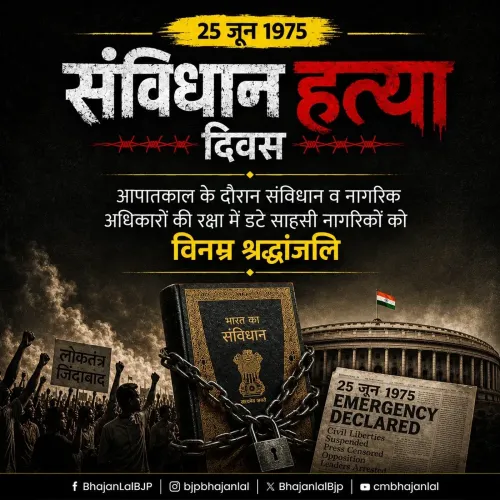
The term Loktantra Senani — literally 'democracy soldier' — refers to citizens who resisted or were detained under the national Emergency declared by then-Prime Minister Indira Gandhi between June 1975 and March 1977. Civil liberties were suspended, press freedom curtailed, and thousands of political opponents jailed. Those who organised opposition, distributed banned literature, or simply refused to capitulate did so at enormous personal risk. Fifty years on, many are elderly, and formal state recognition has become a live welfare question as much as a historical one.BJP's Long-Running Emergency Remembrance Tradition
BJP-led state governments have held recurring ceremonies honouring Emergency resisters since the late 1970s, framing the events as affirmations of democratic values and, implicitly, as a contrast with the Congress party's record during those years. The Samman Samaroh in Jaipur fits squarely within that tradition — a public act of recognition combined with a welfare assurance for participants and their dependents. Sharma stated that his government 'is committed with full sensitivity to the honour, welfare and protection of the interests of democracy fighters and their families' — language that signals intent toward concrete support measures, even as specific schemes announced at the event remain to be confirmed officially. If follow-up policy announcements materialise — pension revisions, health coverage, or financial assistance for dependents — they will translate Wednesday's ceremony from symbolic gesture into durable state policy. That is the moment worth watching.Point of View
And state-level honour events keep that narrative alive across generations. For Sharma, who took office in December 2023, hosting a high-profile Samman Samaroh also signals a governance posture of continuity with the broader BJP ideological project. The welfare pledge is the more consequential element to track: if it translates into revised pensions or health schemes, it moves the event from symbolism to policy. Until then, the ceremony functions primarily as political affirmation wrapped in dignified tribute.
NationPress
26 Sept 2026
Frequently Asked Questions
What is a Loktantra Senani?
A Loktantra Senani is a person who resisted or was imprisoned during India's national Emergency declared between June 1975 and March 1977, when civil liberties were suspended by the then-government.
What happened at the Loktantra Senani Samman Samaroh in Jaipur?
Rajasthan CM Bhajan Lal Sharma hosted the ceremony at his official residence on 12 August 2026, personally conversing with Emergency-era veterans and pledging state support for their welfare and that of their families.
What welfare support does the Rajasthan government provide to Loktantra Senani?
CM Sharma pledged full commitment to the honour, welfare and protection of interests of democracy fighters and their families, though specific schemes or revised benefits announced at this event are yet to be officially confirmed.
Why does BJP hold ceremonies for Emergency-era fighters?
BJP frames the 1975–77 Emergency as a defining moment in its political identity, contrasting its record with that of the Congress party. Honouring resisters reinforces the party's narrative around democratic values across state governments.
When was India's Emergency and why is it significant?
India's Emergency lasted from June 1975 to March 1977 under PM Indira Gandhi, during which civil liberties were suspended and thousands of political opponents were jailed. It remains one of the most contested periods in Indian democratic history.