CM Sai joins Baba Kartik Oraon centenary event virtually
Synopsis
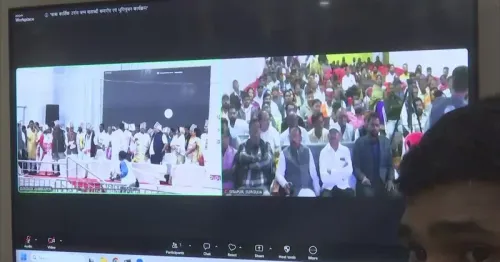
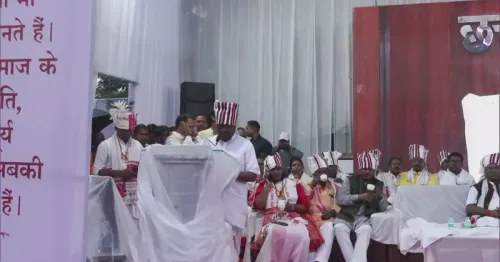
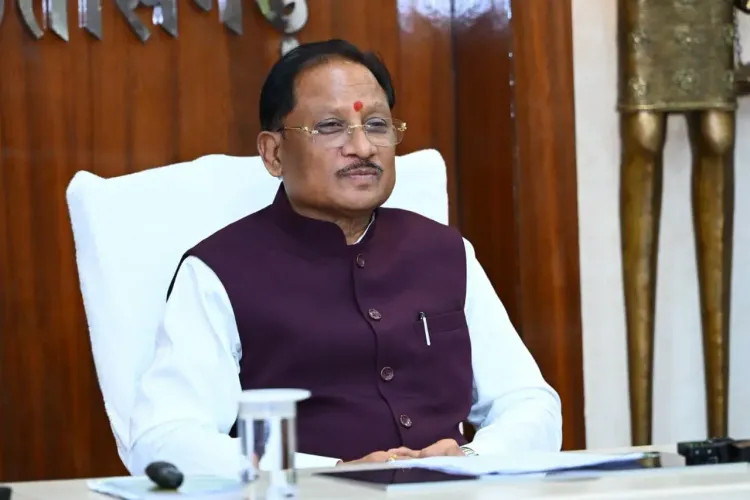
Chief Minister Vishnu Dev Sai joined the Baba Kartik Oraon Birth Centenary Celebrations 2026 in Ambikapur virtually from Raipur on 29 October, honouring the Oraon tribal leader and parliamentarian under the Janjatiya Gaurav banner.
Key Takeaways
CM Vishnu Dev Sai participated virtually from the Raipur residence office in the Baba Kartik Oraon Janm Shatabdi Samaroh 2026 on 29 October 2026 .
The event was held in Ambikapur , headquarters of Surguja district , a tribal-majority region in northern Chhattisgarh.
Baba Kartik Oraon was an engineer, former parliamentarian, and prominent advocate for Scheduled Tribe rights from the Oraon community.
The centenary falls under the Janjatiya Gaurav framework, which the Central Government formalised from 2021 to honour tribal contributions to India's freedom movement.
Virtual attendance reflects Chhattisgarh's approach to connecting state leadership with geographically dispersed tribal districts.
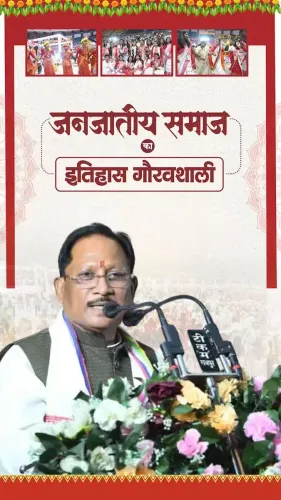
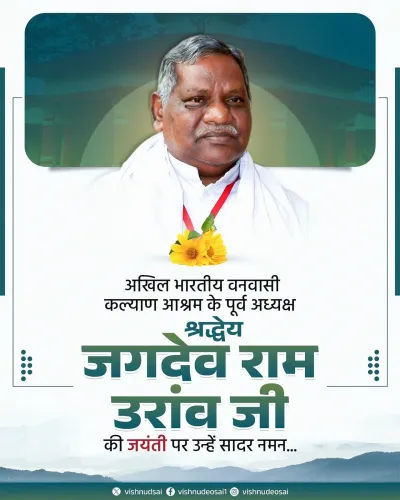
A century after his birth, Baba Kartik Oraon — tribal rights champion, engineer, and former parliamentarian — was honoured in his home region on Thursday, 29 October 2026, as Chief Minister Vishnu Dev Sai joined the birth centenary celebrations from the Raipur residence office via a virtual link to Ambikapur.
The Chief Minister's Office of Chhattisgarh confirmed on X that Sai attended the Baba Kartik Oraon Janm Shatabdi Samaroh 2026 (Birth Centenary Celebrations) organised in Ambikapur, the headquarters of Surguja district in northern Chhattisgarh — a region where the Oraon community holds deep historical and cultural roots.
Who was Baba Kartik Oraon?
Kartik Oraon was a pioneering figure from the Oraon tribal community of central India — an engineer by training who rose to become a member of Parliament and one of the most vocal advocates for Scheduled Tribe rights during the post-independence decades. His legacy spans both institutional politics and grassroots mobilisation for adivasi dignity and land rights. A centenary tribute in Ambikapur — surrounded by the tribal heartland he once championed — carries symbolic weight that extends well beyond a single ceremony.
Raipur to Surguja: governing at scale through technology
CM Sai's virtual attendance from Raipur reflects a pattern the Chhattisgarh administration has leaned into: using digital connectivity to bridge the vast, forested distances separating the state capital from its tribal-majority northern districts. Surguja and its surrounding belt are among the most geographically dispersed constituencies in the state, and in-person presence at every district-level programme is logistically demanding. Virtual participation keeps the political and symbolic signal strong without the travel overhead.
The event falls under the broader Janjatiya Gaurav initiative — the Central Government formally instituted Janjatiya Gaurav Diwas on 15 November from 2021 onwards, anchored around the birth anniversary of Birsa Munda, to recognise tribal contributions to India's freedom movement and civilisational heritage. Chhattisgarh, with one of the country's largest tribal populations, has hosted multiple such recognition events since then, each honouring a different regional icon from the adivasi tradition.
The government's hashtags — #JanjatiyaGaurav, #ViksitChhattisgarh, #Sushasansarkar — frame the ceremony squarely within its twin narratives of tribal pride and development governance, signalling that the centenary is being positioned as more than a historical commemoration.
For communities in the Surguja belt, the centenary of one of their most prominent modern voices is a moment of cultural affirmation. Whether the event catalyses fresh policy commitments on tribal development in the district will be worth watching in the days ahead.
Point of View
Himself from a tribal background, lends personal credibility to these gestures that a non-tribal Chief Minister could not. Virtual participation, while practical, also allows the administration to multiply its presence across simultaneous district-level events, amplifying symbolic outreach without proportional resource deployment. The centenary calendar, if followed by concrete scheme announcements for Surguja, would signal a shift from commemoration to policy commitment.
NationPress
29 Oct 2026
Frequently Asked Questions
Who was Baba Kartik Oraon?
Baba Kartik Oraon was a tribal leader, engineer, and member of Parliament from the Oraon community who championed Scheduled Tribe rights in central India. His birth centenary falls in 2026.
Where is Ambikapur and why was the event held there?
Ambikapur is the headquarters of Surguja district in northern Chhattisgarh, a region with a large Oraon tribal population and strong historical ties to Baba Kartik Oraon's legacy.
What is Janjatiya Gaurav Diwas?
Janjatiya Gaurav Diwas is observed on 15 November each year, instituted by the Central Government from 2021 to recognise tribal contributions to India's freedom movement, anchored on the birth anniversary of Birsa Munda.
Why did CM Vishnu Dev Sai attend virtually instead of in person?
Sai participated from his Raipur residence office via virtual link, a practice the Chhattisgarh government regularly uses to connect with events in the state's geographically dispersed tribal districts.
What is the Janjatiya Gaurav initiative in Chhattisgarh?
It is a broader state and central government framework honouring regional tribal icons and promoting tribal culture and welfare, under which Chhattisgarh has hosted multiple commemorative events since 2021.