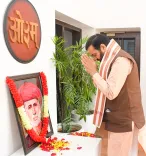
CM Vishnu Deo Sai greets state on Chhattisgarhi Rajbhasha Diwas
Synopsis
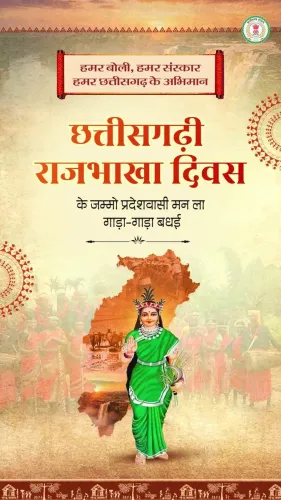
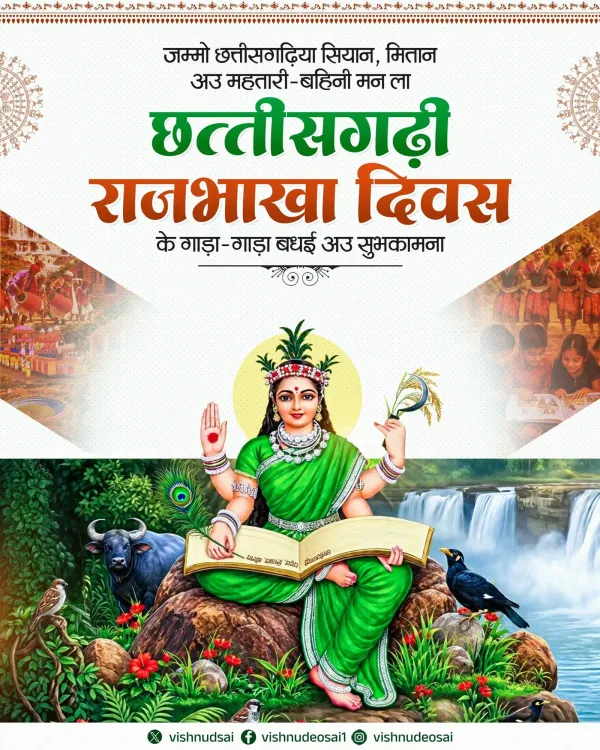
Chhattisgarh Chief Minister Vishnu Deo Sai on 28 November 2026 offered heartfelt greetings on Chhattisgarhi Rajbhasha Diwas. Writing in Chhattisgarhi, he said the language carries love, affection and belonging and is the pride and identity of the state's people.
Key Takeaways
Chhattisgarh Chief Minister Vishnu Deo Sai greeted people on Chhattisgarhi Rajbhasha Diwas on 28 November 2026 .
He said Chhattisgarhi holds love, affection and belonging, and is the pride and identity of Chhattisgarhiyas.
The message was issued in Chhattisgarhi, spoken by a majority in the state formed in November 2000 .
Successive governments have promoted Chhattisgarhi in education, media and limited official use alongside Hindi.
Sai, a BJP leader, has been Chief Minister since December 2023 .
The words came in Chhattisgarhi, not in bureaucratic Hindi. On 28 November 2026, Chhattisgarh Chief Minister Vishnu Deo Sai greeted brothers and sisters across Chhattisgarh on Chhattisgarhi Rajbhasha Diwas, calling the language their pride and their identity. Love, affection, belonging — that, he said, is what lives in the mother tongue.
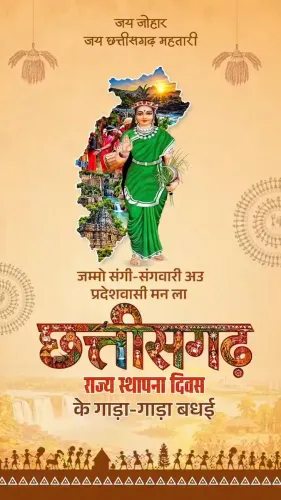
Sai wrote: जम्मो भाई-बहिनी मन ल छत्तीसगढ़ी राजभाखा दिवस के अंतस ले बधई (‘Heartfelt greetings to all brothers and sisters on Chhattisgarhi Rajbhasha Diwas’). He added, हमर भाखा म मया, दुलार अउ अपनत्व हे (‘Our language has love, affection and belonging’). Then the claim that frames the day: Chhattisgarhi is the self-respect and identity of Chhattisgarhiyas.
Chhattisgarhi since the 2000 statehood cut
Chhattisgarh was formed in November 2000. From that first year, successive governments have pushed Chhattisgarhi in education, media and limited official use alongside Hindi. Rajbhasha Diwas sits in that line — a public reminder that regional speech is identity, not a private habit.
Sai, a BJP leader who took office in December 2023, is speaking into a wider Indian pattern. New and reorganised states mark language days to assert belonging within the Eighth Schedule framework and state official-language laws. The ritual is cultural first. The administrative follow-through, when it comes, is usually modest.
From greeting to the district desk
This message does not unveil a new statute. It puts the Chief Minister's voice in Chhattisgarhi and names the language as self-respect and identity for those who speak it. That is the political payload of a language day: the state's highest office talking the way the village talks.
Any later government orders expanding Chhattisgarhi in primary classrooms or at the district desk will tell whether the greeting hardens into administration. For now the instruction is simpler, and it is meant to travel.
Language days do not rewrite the statute book overnight. They tell a people that the words they grew up with still have a seat at the table.
Point of View
In which Chhattisgarh has used Chhattisgarhi in schools, media and limited official work to mark a distinct identity beside Hindi. Sai's government, in office since December 2023, is continuing that cultural line rather than announcing a statutory leap. Indian states routinely stage such days to reinforce regional linguistic identity within official-language law. The practical test is whether Rajbhasha Diwas is followed by orders that expand classroom and district-level use.
NationPress
28 Nov 2026
Frequently Asked Questions
What did CM Vishnu Deo Sai say on Chhattisgarhi Rajbhasha Diwas?
He offered heartfelt greetings to all brothers and sisters and said Chhattisgarhi carries love, affection and belonging. He called it the pride and identity of Chhattisgarhiyas.
When did Vishnu Deo Sai issue his Rajbhasha Diwas message?
He posted the greeting on 28 November 2026. The day is observed annually in Chhattisgarh to promote the language as a marker of regional identity.
Who is Vishnu Deo Sai?
Vishnu Deo Sai is the Chief Minister of Chhattisgarh and a BJP leader. He assumed office in December 2023.
Why does Chhattisgarh observe Chhattisgarhi Rajbhasha Diwas?
The annual observance promotes Chhattisgarhi as a marker of regional identity. Since the state was formed in November 2000, governments have used education, media and limited official channels to support the language alongside Hindi.
Is Chhattisgarhi used in official work in Chhattisgarh?
Chhattisgarhi is promoted in education, media and limited official use alongside Hindi. The Chief Minister's 2026 greeting did not announce a new expansion of that use.