CM Sai Marks Emergency Remembrance Day in Chhattisgarh
Synopsis
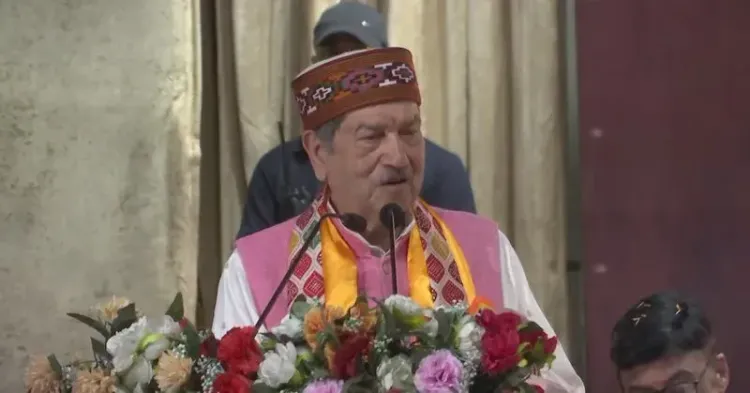
Chhattisgarh Chief Minister Vishnu Deo Sai attended an 'Aapatkaal Smriti Diwas' programme on 28 June 2026, commemorating the 51st anniversary of the 1975 Emergency imposed by the then Congress government — an event the BJP marks annually as a reminder of democratic suppression.
Key Takeaways
Chhattisgarh CM Vishnu Deo Sai participated in an 'Aapatkaal Smriti Diwas' (Emergency Remembrance Day) event on 28 June 2026 .
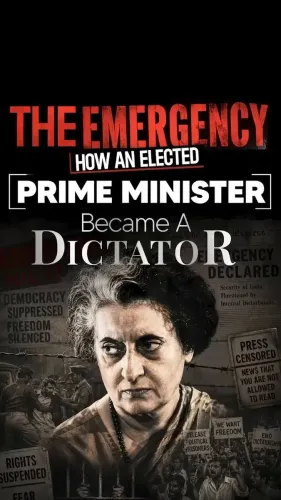
The event marks the anniversary of the 1975 Emergency declared by PM Indira Gandhi's Congress government, which lasted 21 months .
The BJP has institutionalised Emergency remembrance events across states it governs, framing the occasion as a defence of democratic values.
Chhattisgarh has been under BJP rule since December 2023 , with Sai as Chief Minister.
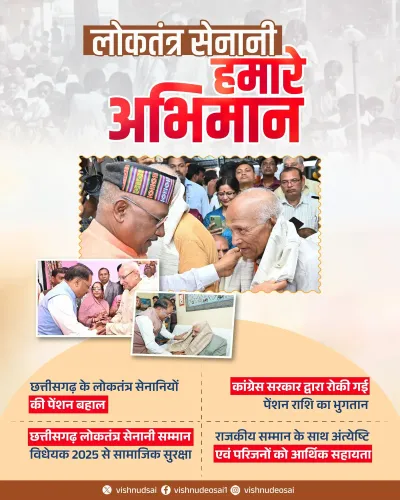
Such events honour those who resisted or were imprisoned during the Emergency, including veterans of the Jayaprakash Narayan movement .
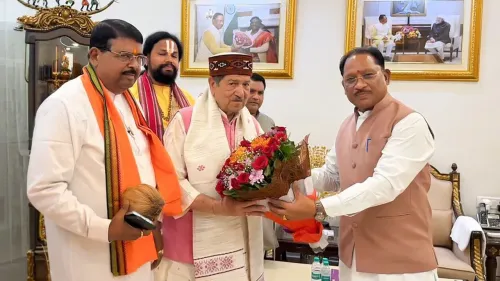
Chhattisgarh Chief Minister Vishnu Deo Sai participated in an 'Aapatkaal Smriti Diwas' (Emergency Remembrance Day) programme on Sunday, 28 June 2026, marking the anniversary of one of India's most contested constitutional episodes — the imposition of the Emergency by the then Congress government in 1975.
Context
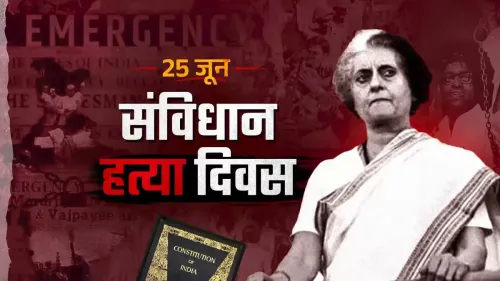
The Emergency, declared on 25–26 June 1975 by the government of Prime Minister Indira Gandhi, suspended fundamental rights, curtailed press freedom, and allowed mass detentions of political opponents for 21 months until March 1977. It remains a defining trauma in Indian democratic memory and is commemorated annually by the Bharatiya Janata Party (BJP) and its ideological ecosystem as a reminder of what they describe as authoritarian overreach by the Indian National Congress.
Chief Minister Sai's participation in the event reflects the BJP's sustained political mobilisation around the Emergency anniversary, which has intensified in recent years as the party has institutionalised remembrance events across states it governs.
Policy Backdrop
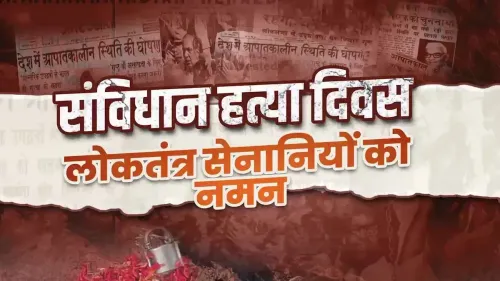
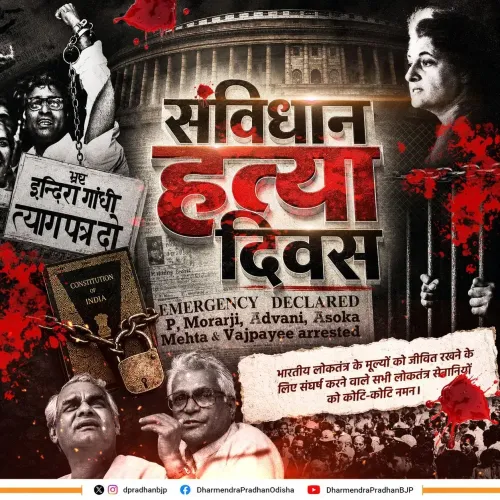
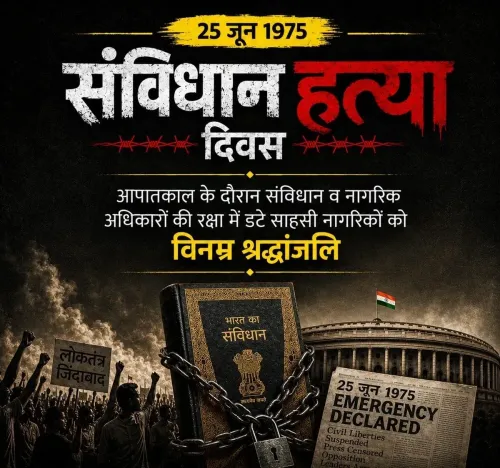
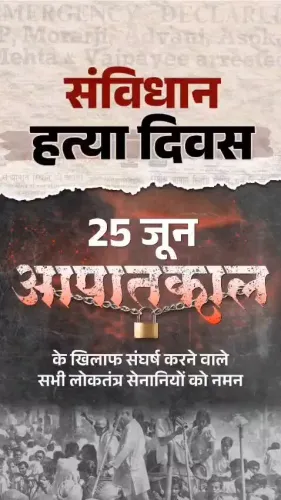
Since coming to power at the Centre in 2014, the BJP has progressively elevated Emergency Remembrance Day into a formal political occasion. June 25 is observed by the party as 'Samvidhaan Hatya Diwas' (Constitution Murder Day), and state governments led by the BJP have been directed to hold programmes honouring those who resisted or were imprisoned during the Emergency.
In Chhattisgarh, where the BJP returned to power in December 2023 with Vishnu Deo Sai sworn in as Chief Minister, such commemorative events carry both historical and political weight — reinforcing the party's narrative of being a guardian of democratic values against Congress-era authoritarianism.
Stakeholders and Impact
The primary audience for such events includes BJP workers, RSS affiliates, and citizens who experienced or have family memory of the Emergency period. Veterans of the Lok Sangharsh Samiti and Jayaprakash Narayan's movement — who were jailed during the Emergency — are typically honoured at such gatherings.
For the opposition Congress, these annual commemorations represent a persistent political challenge, as the party is forced to defend or contextualise a chapter widely regarded as a low point in Indian democratic history. The events also serve to energise BJP's grassroots base ahead of local political cycles.
What's Next
As the 51st anniversary of the Emergency approaches in 2026, BJP-governed states are expected to scale up remembrance programming. Chief Minister Sai's visible participation signals that Chhattisgarh will continue to be an active participant in this national commemoration framework. The broader political contest over India's democratic narrative — with the Emergency as a recurring flashpoint — is likely to intensify as the next electoral cycle draws closer.
Point of View
Such high-visibility commemorations also serve to consolidate the party's ideological identity at the grassroots level. The annual repetition of this narrative, amplified by chief ministers and state machinery, suggests the BJP views the Emergency anniversary not merely as history but as an active electoral instrument. As long as the Congress remains the principal opposition nationally, this framing is unlikely to recede.
NationPress
28 Jun 2026
Frequently Asked Questions
What is Aapatkaal Smriti Diwas?
'Aapatkaal Smriti Diwas' translates to Emergency Remembrance Day and is observed annually to mark the imposition of the 1975 Emergency by the then Congress government under PM Indira Gandhi, which suspended fundamental rights for 21 months.
Why did CM Vishnu Deo Sai attend the Emergency Remembrance Day programme?
As Chief Minister of a BJP-governed state, Sai's participation reflects the party's policy of formally commemorating the 1975 Emergency across states it governs, honouring those who resisted the period of democratic suppression.
When was the Emergency imposed in India?
The Emergency was declared on the night of 25–26 June 1975 by Prime Minister Indira Gandhi's government and remained in force until March 1977 — a period of approximately 21 months.
Who is Vishnu Deo Sai?
Vishnu Deo Sai is the Chief Minister of Chhattisgarh and a senior BJP leader. He was sworn in as Chief Minister in December 2023 after the BJP's victory in the state assembly elections.
How does the BJP observe Emergency anniversary every year?
The BJP observes June 25 as 'Samvidhaan Hatya Diwas' (Constitution Murder Day) and organises remembrance programmes across BJP-governed states, honouring political prisoners and resistance leaders from the Emergency era.