CM Pema Khandu marks Samvidhan Hatya Diwas, recalls 1975 Emergency
Synopsis
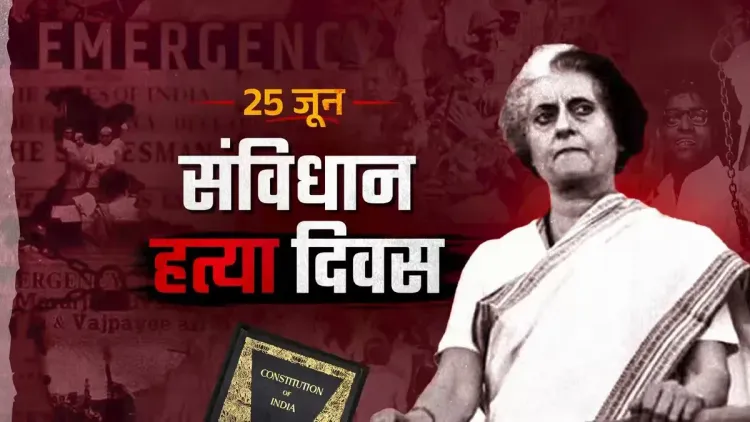
Arunachal Pradesh Chief Minister Pema Khandu on 25 June 2026 observed Samvidhan Hatya Diwas, recalling the 51st anniversary of the 1975 Emergency, the suspension of fundamental rights, and the imprisonment of opposition leaders, calling for eternal vigilance to protect constitutional democracy.
Key Takeaways
Pema Khandu posted on X on 25 June 2026 to mark Samvidhan Hatya Diwas , the official national day commemorating the 1975 Emergency .
The Emergency began on 25 June 1975 and lasted 21 months , during which fundamental rights were suspended and press freedom was curtailed.
Opposition leader Jayaprakash Narayan was among prominent figures imprisoned during the Emergency period.
The Union government formally designated 25 June as Samvidhan Hatya Diwas in June 2024 , making it an official state observance.
Khandu's post included a video and carried the message: 'Eternal vigilance is the price of freedom.' The commemoration is part of an annual BJP-led national narrative framing the 1975 Emergency as the gravest assault on India's constitutional order.
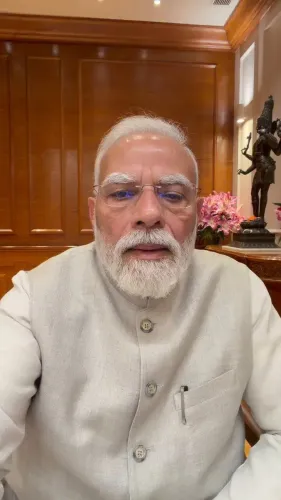
Arunachal Pradesh Chief Minister Pema Khandu on Thursday, 25 June 2026, invoked the 51st anniversary of the Emergency to call for perpetual vigilance in defence of constitutional values, sharing a video on X and urging citizens to remember those who resisted the suspension of fundamental rights in 1975.
Context
On 25 June 1975, then Prime Minister Indira Gandhi proclaimed a state of Emergency under Article 352 of the Constitution, citing 'internal disturbance.' The proclamation ushered in a 21-month period during which fundamental rights were suspended, the press was censored, and prominent opposition leaders — including Jayaprakash Narayan — were imprisoned without trial. The period remains one of the most contested episodes in post-Independence Indian political history.
Khandu's post stated directly: 'Democracy survives only when power respects the Constitution.' He described 25 June 1975 as 'one of the darkest chapters in its democratic history' and called on citizens to remember 'the sacrifices of those who stood firm in defence of democracy and constitutional values.'
Policy Backdrop
In June 2024, the Union government formally designated 25 June as Samvidhan Hatya Diwas — 'Constitution Murder Day' — to institutionalise annual commemoration of the Emergency's imposition. The designation transformed what had been a BJP-led political observance into an official state occasion, giving it a permanent place in the national calendar.
The move was part of a broader effort to embed Emergency history in public consciousness, with similar messaging rolled out each year by central and state BJP leaders. Khandu's post fits squarely within that pattern, amplifying the national narrative from the north-eastern frontier.
Stakeholders and Impact
The commemoration resonates most acutely with civil society groups, media organisations, and opposition parties that trace their own institutional memory to the Emergency years. Journalists who experienced press censorship firsthand, political workers who were detained, and legal scholars who documented the suspension of habeas corpus form the core audience for such observances.
For the BJP, the annual ritual serves a dual purpose: honouring those who resisted authoritarian overreach while simultaneously drawing an implicit contrast with the post-2014 political order. Critics from opposition benches, particularly the Congress, have in past years contested this framing, arguing that selective historical memory distorts the fuller record of democratic governance.
Arunachal Pradesh, as a border state with a history of political sensitivity, adds a distinct regional dimension to Khandu's participation — signalling that the constitutional memory exercise extends to every corner of the country, including the north-east.
What's Next
State-level commemorative events and parliamentary references on 25 June are expected to multiply in coming years as Samvidhan Hatya Diwas becomes more entrenched in the official calendar. Proposals for educational modules on Emergency history in school curricula remain a watch point, as do any fresh government orders expanding the scope of the commemoration.
The broader question of how successive governments institutionalise historical memory — and which episodes receive formal state recognition — will continue to shape India's constitutional discourse well beyond this anniversary.
Point of View
In which state and central leaders collectively reinforce the Emergency as the defining cautionary tale of Indian democracy. By invoking 'eternal vigilance' rather than naming any contemporary adversary, the messaging stays legally safe while carrying an unmistakable political charge. The formalisation of Samvidhan Hatya Diwas in 2024 has elevated these posts from party rhetoric to state-sanctioned commemoration, giving them greater institutional weight each successive year. For Khandu specifically, the intervention signals Arunachal Pradesh's alignment with the national BJP narrative on constitutional history, reinforcing his standing as a reliable voice within the party's ideological ecosystem.
NationPress
24 Sept 2026
Frequently Asked Questions
What is Samvidhan Hatya Diwas and why is it observed on 25 June?
Samvidhan Hatya Diwas — meaning 'Constitution Murder Day' — is observed on 25 June to mark the anniversary of the Emergency proclaimed by Prime Minister Indira Gandhi on 25 June 1975 . The Union government formally designated the date in 2024 to commemorate the suspension of fundamental rights during that period.
What happened during the 1975 Emergency in India?
The 1975 Emergency was a 21-month period beginning 25 June 1975 during which the Indira Gandhi government suspended fundamental rights, imposed press censorship, and detained opposition leaders including Jayaprakash Narayan without trial under Article 352 of the Constitution.
Who is Pema Khandu and why did he post about the Emergency?
Pema Khandu is the Chief Minister of Arunachal Pradesh and a senior BJP leader. He posted on 25 June 2026 to observe Samvidhan Hatya Diwas , calling for vigilance in defence of constitutional democracy — consistent with the BJP's annual commemoration of the 1975 Emergency .
When was Samvidhan Hatya Diwas officially declared?
The Union government officially declared 25 June as Samvidhan Hatya Diwas in June 2024 , institutionalising the annual commemoration of the Emergency's imposition on 25 June 1975 .
Who was Jayaprakash Narayan and what was his role during the Emergency?
Jayaprakash Narayan was a prominent opposition leader who spearheaded the movement against the 1975 Emergency and was subsequently imprisoned by the Indira Gandhi government during the period of suspension of fundamental rights.