CM Vishnu Deo Sai condoles deaths in Delhi Malviya Nagar hotel fire
Synopsis
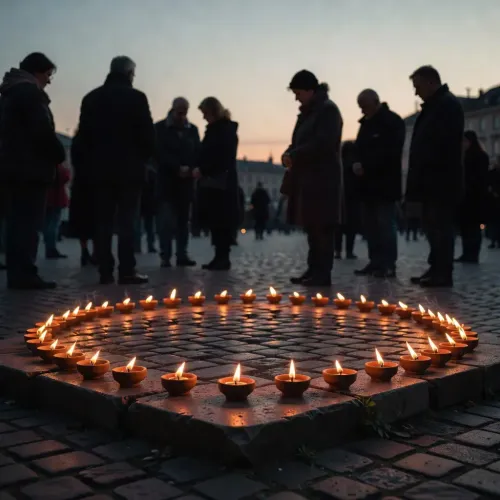
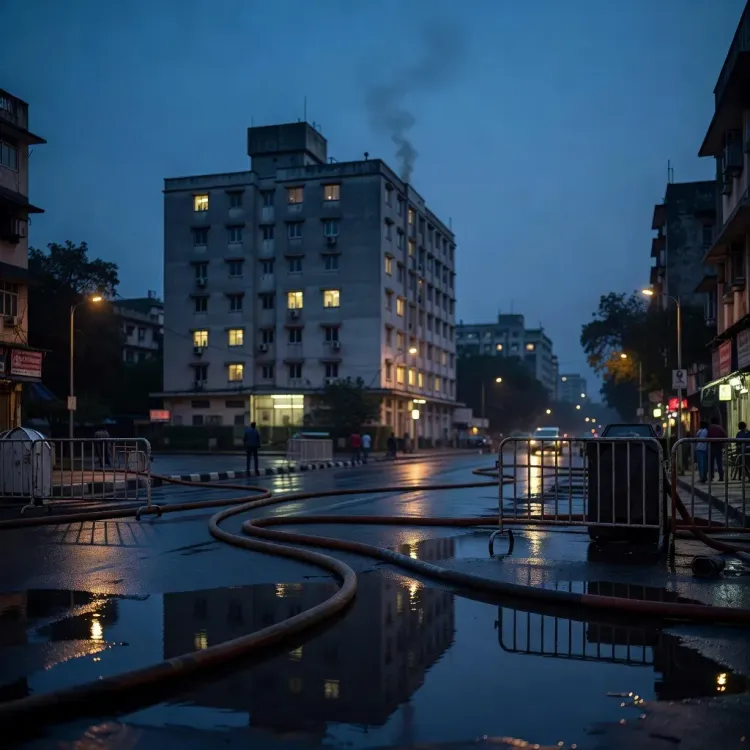
Chhattisgarh Chief Minister Vishnu Deo Sai voiced deep grief over the loss of lives in a fire at a hotel in Delhi's Malviya Nagar. The BJP leader offered condolences to the bereaved families, prayed for the departed souls and wished a speedy recovery for all those injured in the blaze.
Key Takeaways
Chhattisgarh CM Vishnu Deo Sai issued a public condolence message over the Malviya Nagar hotel fire.
The fire occurred at a hotel in Malviya Nagar, a busy locality in South Delhi.
Sai called the loss of lives 'extremely sad and heart-rending' in his Hindi post.
He extended sympathies to bereaved families and prayed for the injured.
The statement reflects a pattern of cross-state condolence messages by Indian Chief Ministers after urban tragedies.
Focus will shift to the official inquiry and fire-safety audits of Delhi hotels.
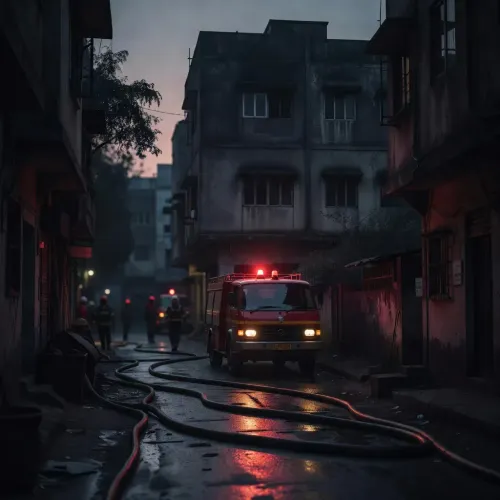
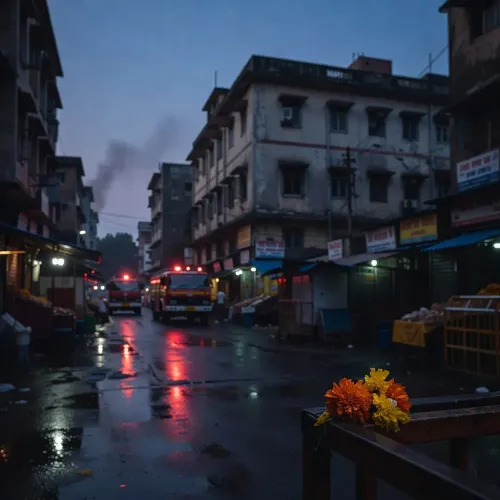
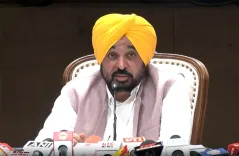
Chhattisgarh Chief Minister Vishnu Deo Sai on Wednesday expressed grief over the loss of lives in a fire at a hotel in Malviya Nagar, South Delhi. In a post on X, the BJP leader extended condolences to the bereaved families and prayed for the swift recovery of those injured in the blaze.
'The news of loss of lives in the fire accident at a hotel in Delhi's Malviya Nagar is extremely sad and heart-rending,' the Chief Minister wrote in Hindi. 'My deep condolences are with all the grieving families who have lost their loved ones in this incident.' He closed his message with 'Om Shanti' (May the souls rest in peace), a customary Hindu invocation of peace for the departed.
Context
The Chief Minister's message responded to a fire incident reported at a hotel in Malviya Nagar, a dense residential and commercial pocket of South Delhi known for budget hotels, guesthouses and student accommodation. The locality lies along a key arterial stretch and houses several mid-sized hospitality establishments that cater to travellers, patients visiting nearby medical facilities and long-stay guests.
Sai prayed that the departed souls find a place at the feet of the divine and that the bereaved families be granted strength to bear the loss. He also wished a speedy recovery for all those injured in the incident.
Policy backdrop
Hotel and guesthouse fires in Indian metros have repeatedly drawn attention to compliance gaps around fire-safety clearances, emergency exits, electrical wiring and the use of inflammable interior materials. Urban local bodies and fire services in Delhi conduct periodic audits of hospitality establishments, but enforcement against violations is often uneven across older buildings that have been converted into commercial use.
Cross-state condolence statements by Chief Ministers have become a settled feature of Indian political communication after major urban accidents. They signal federal solidarity and acknowledge that domestic travel, employment and education frequently place residents of one state inside the boundaries of another at the time of tragedy.
Stakeholders and impact
The immediate stakeholders are the families of those who died in the fire and the injured undergoing treatment. For first responders, including Delhi Fire Service personnel and local police, the incident adds to a recurring caseload of hospitality-sector emergencies in the capital.
For the hospitality industry in Malviya Nagar and similar South Delhi pockets, such incidents typically trigger short-term inspection drives, occupancy reviews and renewed scrutiny of no-objection certificates issued by fire authorities. Insurance claims, regulatory notices and possible criminal proceedings against owners and managers often follow, depending on the findings of the official inquiry.
What's next
Attention will turn to the official inquiry into the cause of the fire and to any safety audits ordered for hotels in the area. Decisions on compensation, accountability and the future operating status of the establishment will depend on the findings of Delhi civic and fire authorities.
For Sai, the statement aligns with the convention of state heads publicly registering grief during national tragedies, even when the incident lies outside their jurisdiction. The broader policy question of fire-safety enforcement in budget-segment urban hotels is likely to resurface in administrative reviews in the days ahead.
Point of View
Avoiding any commentary on culpability or regulatory failure, which keeps the political tone neutral while the facts of the incident are still being established. The broader arc, however, points to a recurring policy question for Indian metros: whether fire-safety enforcement in the budget hospitality segment is keeping pace with rapid commercial conversion of older buildings. Expect renewed administrative attention to inspections and compliance in South Delhi's hospitality clusters.
NationPress
14 Sept 2026
Frequently Asked Questions
What did Chhattisgarh CM Vishnu Deo Sai say about the Delhi Malviya Nagar hotel fire?
He called the loss of lives 'extremely sad and heart-rending' and offered deep condolences to the bereaved families. He also prayed for the departed souls and wished a speedy recovery for those injured in the incident.
Where exactly did the hotel fire take place?
The fire occurred at a hotel in Malviya Nagar, a residential and commercial locality in South Delhi. The area is known for several mid-sized hotels and guesthouses.
Who is Vishnu Deo Sai?
Vishnu Deo Sai is the Chief Minister of Chhattisgarh and a senior BJP leader. He assumed office after the BJP's victory in the 2023 Chhattisgarh assembly elections.
Why does a Chhattisgarh CM comment on a Delhi incident?
Indian Chief Ministers routinely issue condolence messages after major tragedies anywhere in the country. Such statements reflect federal solidarity and are a settled feature of political communication in India.
What happens after a hotel fire incident like this in Delhi?
Authorities typically launch an official inquiry into the cause of the fire and may order fresh fire-safety inspections of hotels in the affected area. Decisions on accountability and compensation depend on the findings.