CM Hemant Soren mourns lives lost in Delhi Malviya Nagar hotel fire
Synopsis
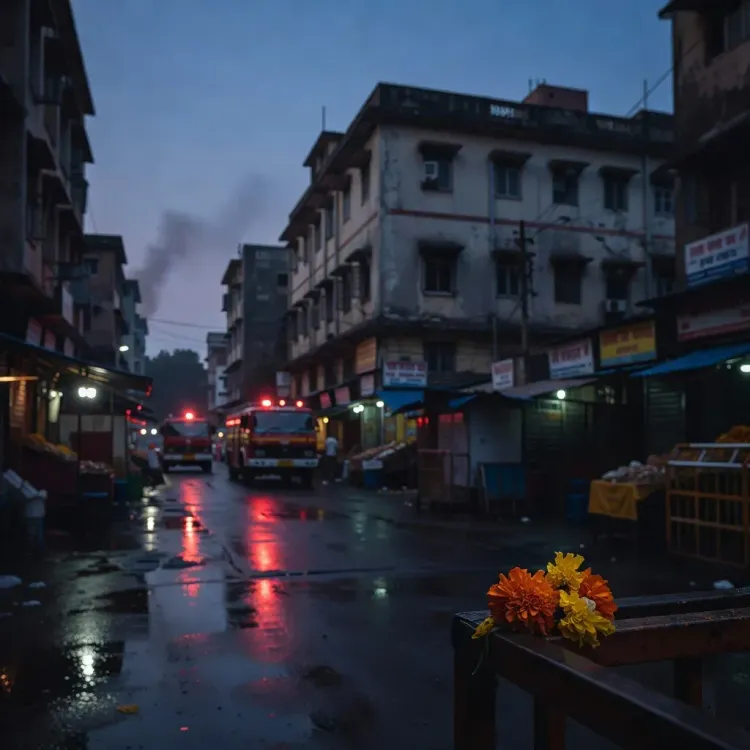
Jharkhand Chief Minister Hemant Soren has voiced deep anguish over a fatal hotel fire in Delhi's Malviya Nagar, praying to Marang Buru for peace for the departed and strength for grieving families. He also wished the injured a swift recovery, extending solidarity from Ranchi to the national capital.
Key Takeaways
Jharkhand CM Hemant Soren condoled the loss of lives in a hotel fire in Malviya Nagar , Delhi .
The message was posted in Hindi on his official X handle.
He invoked Marang Buru , the supreme Santhal deity, praying for peace for the departed.
He wished a 'speedy recovery' for those injured in the accident.
The statement did not specify the casualty count or cause of the blaze.
Cross-state condolence messages are a standard protocol response by Indian CMs to urban disasters.
Jharkhand Chief Minister Hemant Soren on Wednesday expressed deep anguish over the loss of lives in a hotel fire in Malviya Nagar, Delhi, offering prayers for the departed and wishing a swift recovery for those injured. The condolence message was posted on X from his official handle, extending solidarity from Ranchi to the affected families in the national capital.
In his post, written in Hindi, the Chief Minister said his mind was 'atyant vyathit' (extremely distressed) on receiving the 'heart-rending news' of deaths caused by the fire at a hotel in Malviya Nagar. He invoked Marang Buru, the supreme deity in Santhal tradition, praying that the divinity 'grant peace to the souls of the departed and strength to the grieving families to bear this hour of sorrow'. He added that he wished for the 'speedy recovery' of those injured in the accident.
Context
Malviya Nagar is a densely built locality in South Delhi, with a mix of residential colonies, market streets and budget-to-mid-range hotels catering to students, traders and out-of-town visitors. Fires in such tightly packed commercial structures have repeatedly raised questions about adherence to building bye-laws, emergency exits and fire-safety clearances.
The Chief Minister's message did not specify casualty figures or the cause of the blaze, sticking to a tone of condolence and prayer. The post is timestamped from his official handle and was circulated widely on social media shortly after publication.
Policy backdrop
Cross-state condolence statements have become a standard feature of how Indian chief ministers respond to urban disasters. They serve a dual purpose: signalling political solidarity beyond party and state lines, and acknowledging that migrant populations, students and travellers from one state often live and work in another.
Mr Soren's invocation of Marang Buru is notable. As executive president of the Jharkhand Mukti Morcha (JMM), a party rooted in Adivasi identity and Santhal cultural traditions, his condolence messages frequently draw on indigenous spiritual references rather than generic religious idioms — a consistent feature of his public communication.
Stakeholders and impact
The immediate stakeholders are the families of those who died and the guests injured in the blaze, who now face the dual burden of grief and medical care, often far from their hometowns. Hotel staff, neighbouring establishments and local traders in Malviya Nagar are likely to bear secondary disruption as investigations proceed.
For the Jharkhand government, such statements also keep open a channel of assistance should any victim be traced to the state. State governments often follow up condolence messages with offers of transport, medical aid or ex-gratia where their residents are among the affected.
Politically, the gesture aligns Mr Soren with a wider chorus of leaders who routinely respond to urban tragedies in metropolitan India, irrespective of which party governs the affected city or state. Delhi is administered by an elected government with the Lieutenant Governor and the Union Home Ministry holding overlapping responsibilities on policing and disaster response.
What's next
Attention will turn to the findings of the Delhi Fire Service and Delhi Police on the cause of the blaze, the hotel's fire-safety clearances and whether any structural violations contributed to the casualties. Municipal authorities may also be pressed to conduct fresh audits of hotels and guest houses in older South Delhi neighbourhoods.
For Mr Soren, the post is consistent with the protocol-driven outreach expected of a sitting Chief Minister. Whether it is followed by specific assistance from Ranchi will depend on whether any victims are identified as residents of Jharkhand — a detail that typically emerges only after formal identification by Delhi authorities.
Point of View
But Mr Soren's invocation of Marang Buru gives it a distinct Adivasi cultural register that is consistent with his public voice as JMM's executive president. Such posts are low-cost, high-visibility gestures that keep a chief minister connected to events beyond his jurisdiction, especially in a capital city where citizens from every state converge. The real test, as in past urban fires, will lie in whether municipal and fire-safety enforcement is tightened after the inquiry. Until then, the political response will remain a chorus of statements rather than a structural review.
NationPress
23 Sept 2026
Frequently Asked Questions
What did Hemant Soren say about the Delhi hotel fire?
He expressed deep anguish over the loss of lives in a hotel fire in Delhi's Malviya Nagar, prayed to Marang Buru for peace for the departed, and wished the injured a swift recovery.
Where did the hotel fire mentioned by Hemant Soren take place?
The fire took place at a hotel in Malviya Nagar, a locality in South Delhi, according to the Chief Minister's post.
Who is Marang Buru, referenced in the Chief Minister's message?
Marang Buru is the supreme deity in Santhal Adivasi tradition, often invoked in prayers by leaders of the Jharkhand Mukti Morcha, including Hemant Soren.
Did Hemant Soren announce any compensation for the victims?
No, the post was a condolence message and did not announce any specific compensation or assistance from the Jharkhand government.
In which language did Hemant Soren post the condolence message?
The message was posted in Hindi on his official X handle, expressing grief and prayers for the affected families.