CM Vishnu Deo Sai Offers Chhath Prayers at Jashpur Ghat
Synopsis
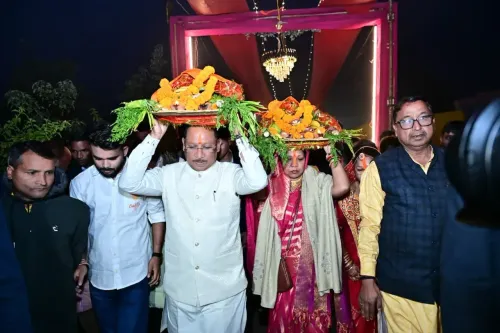
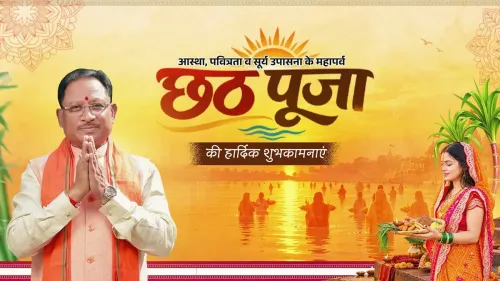
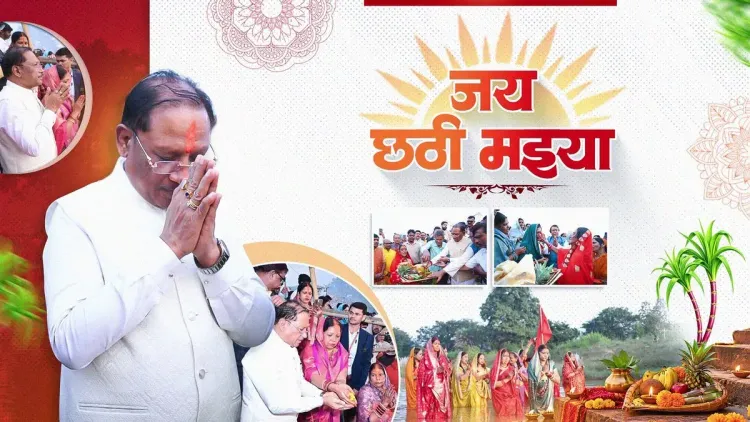
Chhattisgarh Chief Minister Vishnu Deo Sai participated personally in Chhath Puja at the Jashpur Chhath Ghat on 16 November 2026, offering sandhya and usha arghya with his wife and praying for the well-being of all residents of the state.
Key Takeaways
Chhattisgarh CM Vishnu Deo Sai observed the conclusion of the four-day Chhath Puja 2026 at Jashpur on 16 November 2026 .
He offered both sandhya arghya (evening offering) and usha arghya (dawn offering) alongside his wife at the local Chhath Ghat.
The festival is dedicated to the Sun God ( Bhagwan Bhaskar ) and Chhathi Maiya , and involves rigorous fasting and riverside rituals.
The CM prayed publicly for the happiness, prosperity, and good health of every family across Chhattisgarh .
Jashpur is a district in northern Chhattisgarh and a constituency closely associated with the Chief Minister.
At the riverbank in Jashpur, as the final light of the setting sun caught the water, Chhattisgarh Chief Minister Vishnu Deo Sai stood with his wife and offered sandhya arghya (evening water offering) and usha arghya (dawn water offering) to mark the conclusion of the four-day Chhath Puja festival on Monday, 16 November 2026.
Prayers from the Jashpur Ghat
Posting on X, CM Sai described the festival as a 'prakriti upasana aur surya aradhana ka mahaparyav' — a grand festival of nature worship and sun veneration. He offered prayers to Chhathi Maiya and Bhagwan Bhaskar (the Sun God), seeking happiness, prosperity, and good health for every family across the state. The post was accompanied by a video from the ghat ceremony.
What Chhath Puja Means and Why Leaders Show Up
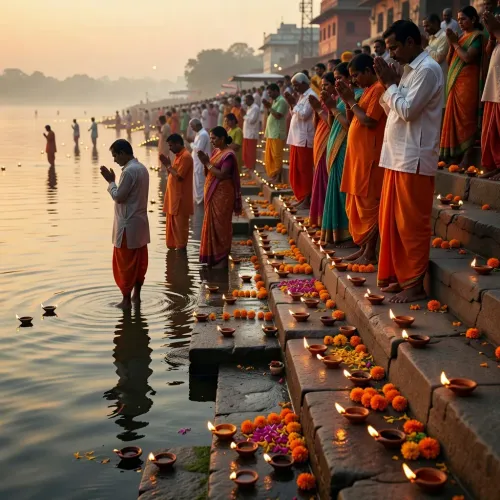
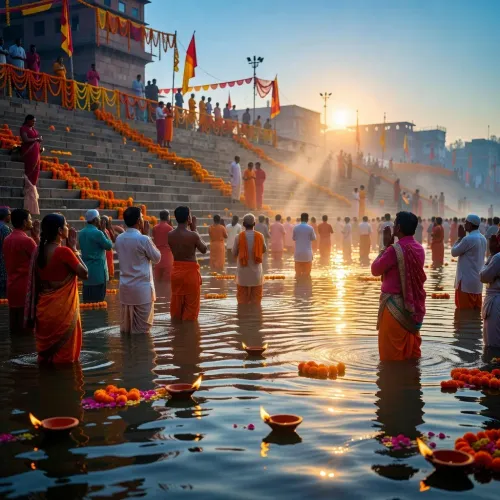
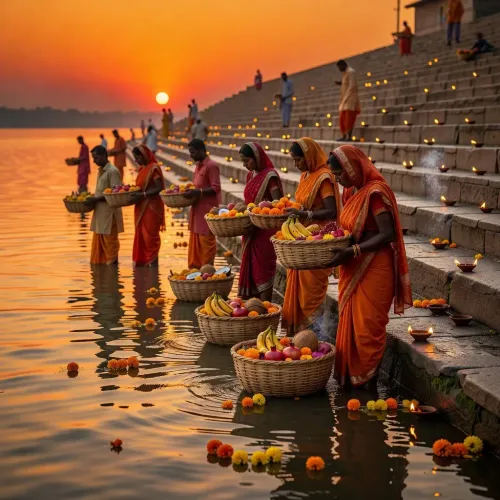
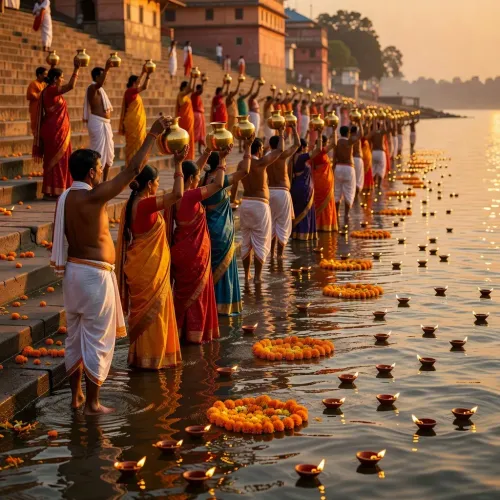
Chhath Puja is one of India's oldest solar festivals — a rigorous four-day observance marked by strict fasting, ritual bathing, and offerings made at the water's edge at both sunset and sunrise. It is dedicated to Surya Dev, the Sun God, and Chhathi Maiya, his sister, with devotees seeking blessings for longevity, prosperity, and the well-being of their families.
The festival carries enormous emotional and cultural weight, particularly in states with large communities tracing roots to Uttar Pradesh, Bihar, and Jharkhand. Chhattisgarh, which shares a border with Jharkhand and has a significant migrant and mixed-heritage population, sees broad participation across its districts, including Jashpur — a district in the state's northern reaches that CM Sai has long been associated with.
A Chief Minister's Personal Participation
Vishnu Deo Sai, who assumed office as Chief Minister of Chhattisgarh in 2023, chose to personally participate at the Jashpur Chhath Ghat alongside his wife rather than issue a ceremonial message from the state capital. The gesture — standing in the water at dawn and dusk — signals a direct identification with devotees observing the festival, not just an official acknowledgment of it.
Indian state leaders routinely mark major festivals publicly, but personal ghat participation, particularly at a district-level site rather than a high-profile Raipur venue, carries a distinct grassroots register. Chhattisgarh observes a diverse festival calendar spanning both Hindu and tribal traditions, and state leadership visibility at such events is a consistent feature of its political culture.
As the fourth day's usha arghya closed the Chhath 2026 cycle, the Chief Minister's prayer was simple and public: may every family in the state live in health and joy. The sun rose. The offering was made. The festival was complete.
Point of View
Alongside-spouse participation also projects an accessible, community-first image that complements the CM's tribal identity and his long-standing ties to Jashpur. As Chhattisgarh's BJP government approaches the mid-point of its term, cultural visibility at high-participation festivals remains a steady thread in its public engagement.
NationPress
16 Nov 2026
Frequently Asked Questions
Where did CM Vishnu Deo Sai celebrate Chhath Puja 2026?
CM Vishnu Deo Sai celebrated Chhath Puja 2026 at the Chhath Ghat in Jashpur district, Chhattisgarh, where he offered sandhya arghya and usha arghya alongside his wife.
What is Chhath Puja and why is it observed?
Chhath Puja is a four-day Hindu festival dedicated to the Sun God (Surya Dev) and Chhathi Maiya. Devotees fast, bathe in rivers, and offer water at sunset and sunrise to seek blessings for health, prosperity, and longevity.
What are sandhya arghya and usha arghya in Chhath Puja?
Sandhya arghya is the ritual evening water offering made to the setting sun on the third day of Chhath Puja, while usha arghya is the dawn offering to the rising sun on the fourth and final day, marking the conclusion of the festival.
Who is Vishnu Deo Sai?
Vishnu Deo Sai is the Chief Minister of Chhattisgarh and a senior BJP leader. He assumed office in 2023 and has long-standing ties to the Jashpur region.
Is Chhath Puja celebrated widely in Chhattisgarh?
Yes. While Chhath Puja has its roots in Bihar, UP, and Jharkhand, it is widely observed in Chhattisgarh due to the state's significant population with connections to those regions, particularly in districts bordering Jharkhand like Jashpur.