CM Sai: Naxal-free Bastar Now on Fast Track to Development
Synopsis
On Janjatiya Gaurav Diwas, Chhattisgarh CM Vishnu Deo Sai declared that a Naxal-free Bastar is now rapidly receiving roads, education, and healthcare — framing security gains and tribal welfare as a single, integrated mission under PM Modi's leadership.
Key Takeaways
CM Vishnu Deo Sai posted on 16 November 2026 , marking Janjatiya Gaurav Diwas , to highlight Bastar's post-Naxal development push.
He cited roads, education, healthcare, and basic infrastructure as deliverables now reaching communities 'deprived for decades.' Bastar in southern Chhattisgarh was long considered the heartland of Left-Wing Extremism in India.
Janjatiya Gaurav Diwas, observed on 15 November — birth anniversary of Birsa Munda — was institutionalised by the Modi government in 2021 to honour tribal freedom fighters.
The post frames Naxal neutralisation and tribal welfare as a unified policy outcome, not separate goals.
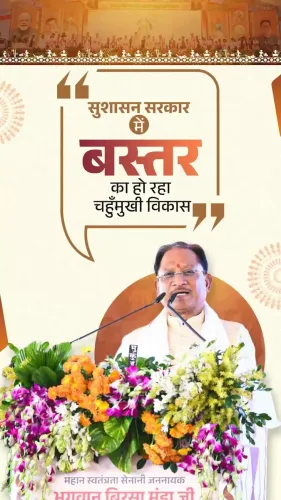
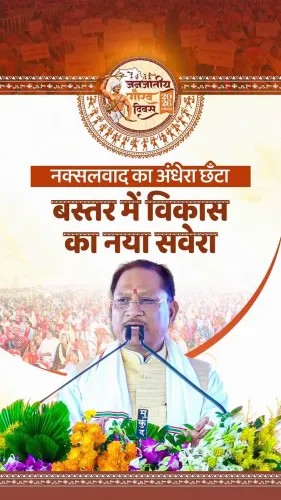
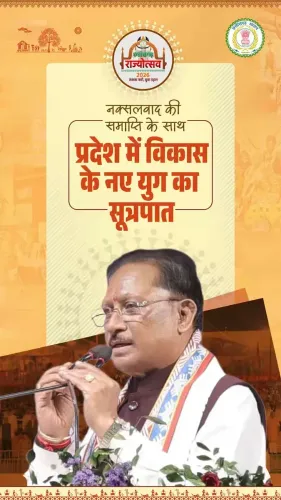
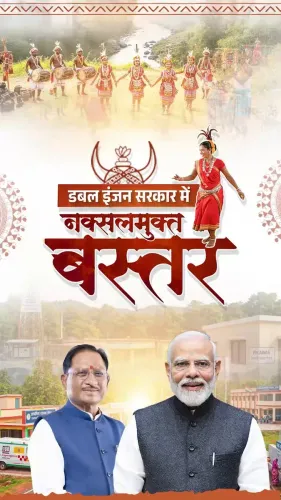
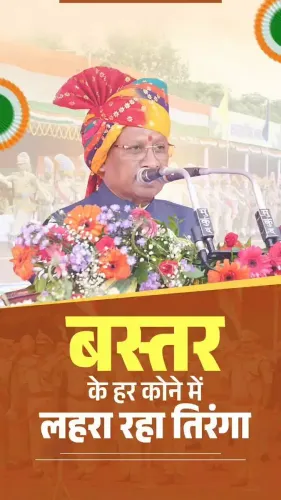
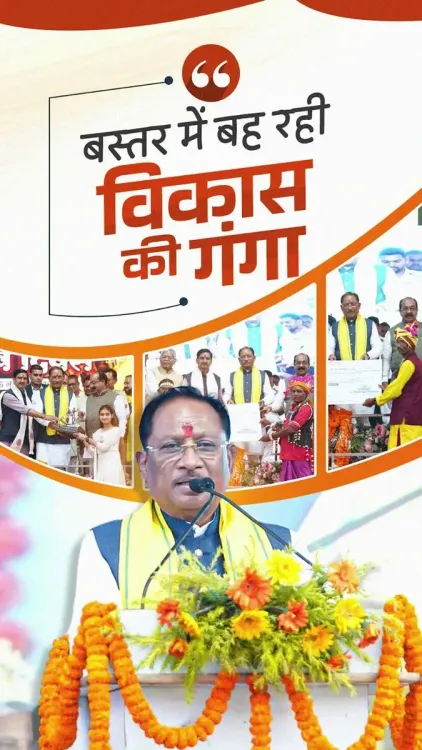
Decades of conflict and enforced isolation are giving way to roads, schools, and clinics in Bastar — and Chhattisgarh Chief Minister Vishnu Deo Sai wants the country to notice. On Monday, 16 November 2026, marking Janjatiya Gaurav Diwas, the Chief Minister posted on X that a Naxal-free Bastar is now 'rapidly advancing on a new path of development' under the leadership of Prime Minister Narendra Modi.
What CM Sai said — and why the timing matters
Writing in Hindi, Sai declared: 'नक्सलमुक्त बस्तर अब विकास की नई राह पर तेजी से आगे बढ़ रहा है' — 'Naxal-free Bastar is now moving rapidly on a new path of development.' He specifically named roads, education, healthcare, and basic infrastructure as the deliverables now reaching communities that had been 'deprived of development for decades.' The post was timed to coincide with Janjatiya Gaurav Diwas, the national day commemorating tribal pride observed on 15 November — the birth anniversary of Birsa Munda — making the message one of both security achievement and tribal welfare in the same breath.
Bastar's long shadow of insurgency
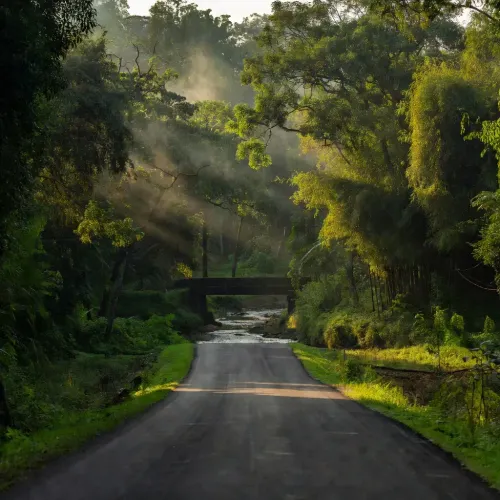
Bastar, the sprawling forested division in southern Chhattisgarh, was for years considered the heartland of Left-Wing Extremism in India. Its dense geography and administrative under-reach made it simultaneously a stronghold for Maoist cadres and a blind spot for welfare delivery. The state and central governments have in recent years intensified security operations alongside infrastructure pushes — new all-weather roads into interior villages, mobile health units, and school construction in areas previously inaccessible. Sai's post reflects the official narrative that the security gains have created a window for developmental catch-up that the state intends to exploit at speed.
Janjatiya Gaurav Diwas as a policy signal
The choice to post on Janjatiya Gaurav Diwas is deliberate politics married to genuine policy. The day — institutionalised by the Modi government in 2021 to honour tribal freedom fighters — is observed with welfare announcements, scheme launches, and outreach in Scheduled Tribe-heavy states. Chhattisgarh's tribal population, concentrated heavily in the Bastar belt, has historically been caught between insurgent pressure and state neglect. A Chief Minister invoking the day to highlight infrastructure delivery is signalling that security normalisation and tribal dignity are being treated as a single, integrated project — not sequential ones.
The question that will define Bastar's next chapter is not whether roads are being built, but whether the communities at the end of those roads are gaining durable economic agency. That answer will come from the ground, not from a post — but the fact that the ground is now accessible enough to ask the question is itself the story.
Point of View
Verifiable claim: that Bastar's security gains have unlocked infrastructure delivery. This matters because Chhattisgarh's tribal belt has historically been an electoral and administrative fault line. By tying development to Naxal clearance, the BJP government is building a political template it can carry into future state and national elections. The durability of that narrative, however, will depend on whether ground-level metrics — school enrolment, health outcomes, road connectivity — actually reflect the momentum Sai describes.
NationPress
16 Nov 2026
Frequently Asked Questions
What is Janjatiya Gaurav Diwas and why is it observed on 15 November?
Janjatiya Gaurav Diwas is a national day honouring tribal freedom fighters, observed on 15 November — the birth anniversary of tribal icon Birsa Munda . The Modi government institutionalised it in 2021 to recognise the contributions of India's tribal communities.
What is the current situation in Bastar regarding Naxalism?
Bastar in southern Chhattisgarh was long the core of Left-Wing Extremism in India. In recent years, intensified security operations have significantly reduced Maoist presence, allowing state and central agencies to push infrastructure into previously inaccessible interior areas.
What development work is happening in Bastar after Naxal clearance?
CM Vishnu Deo Sai cited roads, education, healthcare, and basic infrastructure as the key deliverables now reaching Bastar communities that had been cut off from development for decades.
Who is Chhattisgarh Chief Minister Vishnu Deo Sai?
Vishnu Deo Sai is a senior BJP leader and the Chief Minister of Chhattisgarh. He belongs to the tribal community and has been a prominent voice on tribal welfare and development in the state.
Why is Bastar important for tribal communities in Chhattisgarh?
Bastar has one of the highest concentrations of Scheduled Tribe population in Chhattisgarh. Its communities bore the brunt of decades of Maoist conflict and state under-reach, making it a critical region for tribal welfare, education, and economic development.