CM Sai orders RBC 6-4 aid after Surajpur family of four drowns

Synopsis
Chhattisgarh CM Vishnu Deo Sai condoled the death of four members of one family who drowned in a river in Surajpur's Bishrampur area, and directed authorities to provide ex-gratia financial assistance under the state's RBC 6-4 relief provision.
Key Takeaways
Four people from a single family drowned in a river in the Bishrampur police station area of Surajpur district , Chhattisgarh.
Chief Minister Vishnu Deo Sai described the incident as 'deeply agonising and heartbreaking' in a public condolence post on 24 October 2026 .
The Chief Minister has directed financial assistance under RBC 6-4 of the Chhattisgarh Relief Code for the bereaved family.
RBC 6-4 allows district administrations to sanction immediate ex-gratia payments in cases of accidental or unnatural deaths without prolonged procedural delays.
Timely disbursement by the Surajpur district administration is now the key next step following the public directive.
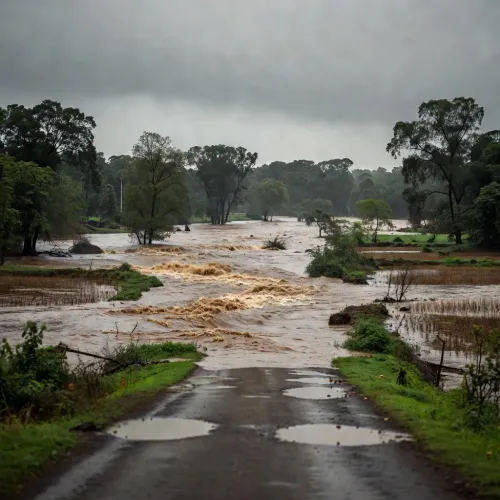
Four members of the same family are dead after drowning in a river in Bishrampur police station area, Surajpur district, Chhattisgarh — a loss that Chief Minister Vishnu Deo Sai called 'deeply agonising and heartbreaking' in a condolence message posted on Saturday, 24 October 2026. The Chief Minister confirmed that he has directed authorities to disburse financial assistance to the bereaved household under state relief provisions.
Writing in Hindi, CM Sai expressed: 'Dukh ki is ghadi mein meri samvedanayein shokakul parivaar ke saath hain' ('In this hour of grief, my condolences are with the bereaved family'). He added a prayer for the departed souls and asked for strength for those left behind — signing off with the traditional 'Om Shanti'.
What RBC 6-4 means for the family
The Chief Minister specifically invoked RBC 6-4 — a provision under the Chhattisgarh Relief Code — to trigger ex-gratia financial assistance for the affected household. The clause allows district administrations to sanction immediate monetary relief in cases of accidental or unnatural deaths, including drownings, without waiting for prolonged bureaucratic clearance.
Such directives are a standard but critical part of Chhattisgarh's disaster-relief protocol: by naming the specific provision publicly, the Chief Minister places the Surajpur district administration on notice to act swiftly. Timely disbursement now becomes a matter of public record, not quiet procedure.
Surajpur's geography and the pattern behind the tragedy
Surajpur, a district in northern Chhattisgarh bordering Jharkhand and Uttar Pradesh, has multiple rivers and seasonal waterways that draw local residents during warm months. Drownings involving multiple family members — typically when a group enters unfamiliar or swollen water together — are among the most acute forms of sudden collective grief in rural India, and they recur every year across riparian districts.
Indian state chief ministers routinely combine personal condolences with a public commitment to codified relief as a signal that government machinery is already in motion. The practice acknowledges both the emotional reality of sudden loss and the administrative machinery designed to soften its economic blow on households that are frequently rural and income-constrained.
The question that now follows every such announcement is the same: how fast does the money actually reach the family? All eyes are on the Surajpur administration to answer it.
Point of View
CM Sai converts a personal condolence into an administrative accountability mechanism — district officials now act under public scrutiny, not just internal instruction. This reflects a broader pattern in Indian state governance where social-media-era chief ministers use public platforms to simultaneously project empathy and signal bureaucratic responsiveness. The real test, as analysts of welfare delivery frequently note, is last-mile disbursal speed in rural, under-banked districts. Whether Surajpur delivers quickly will quietly shape how residents perceive the state's relief machinery beyond the headline moment.
NationPress
24 Oct 2026
Frequently Asked Questions
What happened in Surajpur Bishrampur river drowning?
Four members of the same family drowned in a river in the Bishrampur police station area of Surajpur district, Chhattisgarh. Chief Minister Vishnu Deo Sai condoled the deaths on 24 October 2026 and directed ex-gratia assistance for the family.
What is RBC 6-4 in Chhattisgarh?
RBC 6-4 is a provision under the Chhattisgarh Relief Code that authorises district administrations to sanction immediate ex-gratia financial assistance to families affected by accidental or unnatural deaths, including drownings, without lengthy procedural delays.
How much compensation is given under RBC 6-4?
The specific quantum of assistance under RBC 6-4 is determined by the state's relief code guidelines and administered at the district level. The exact amount for this case has not been publicly disclosed.
Who is Vishnu Deo Sai?
Vishnu Deo Sai is the Chief Minister of Chhattisgarh and a BJP leader. He has held the office since December 2023.
Where is Surajpur district in Chhattisgarh?
Surajpur is a district in northern Chhattisgarh, bordering both Jharkhand and Uttar Pradesh. It has several rivers and seasonal waterways running through its rural terrain.