CM Vishnu Deo Sai Offers Prayers at Bhormadev Temple in Kabirdham
Synopsis
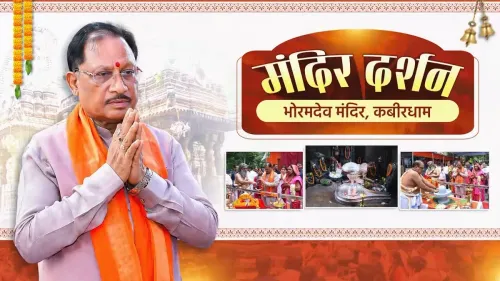
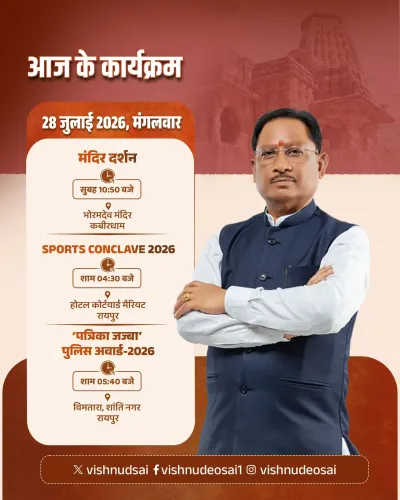
Chhattisgarh Chief Minister Vishnu Deo Sai visited the ancient Baba Bhormadev Temple in Kabirdham on 28 July 2026, joining a five-day Vedic ritual and seeking divine blessings for the state's people.
Key Takeaways
CM Vishnu Deo Sai visited Baba Bhormadev Temple in Kabirdham district on 28 July 2026 , accompanied by his wife.
He participated in the five-day 'Maha Chatur Shuddhi Sahasra Kalasham' Vedic ritual at the temple.
CM Sai opened his post with the classical Sanskrit Shaivite verse Karpuragauram Karunavataram and closed with Om Namah Shivaya .
He prayed for the happiness, prosperity, and well-being of all Chhattisgarh residents.
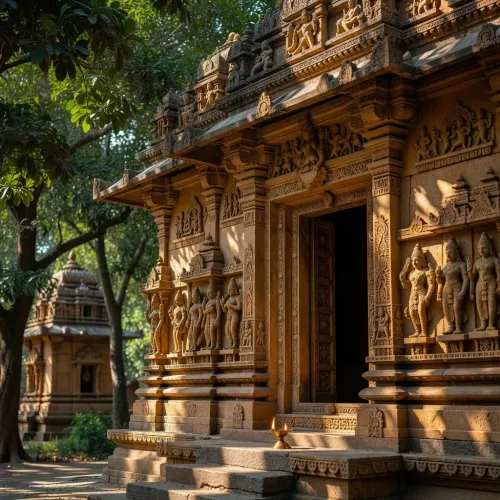
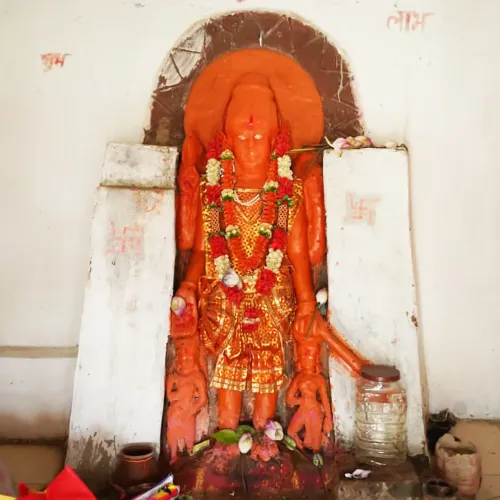
Baba Bhormadev Temple is a major Shaivite pilgrimage site in Kabirdham, known for its medieval carved architecture.
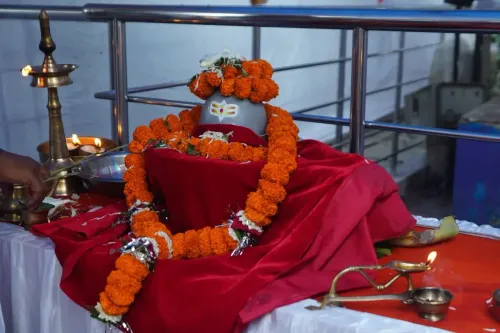
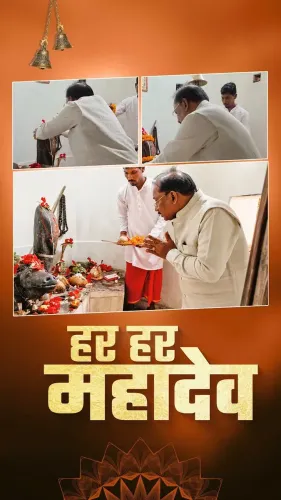
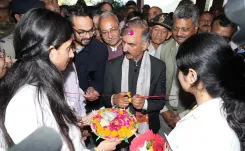
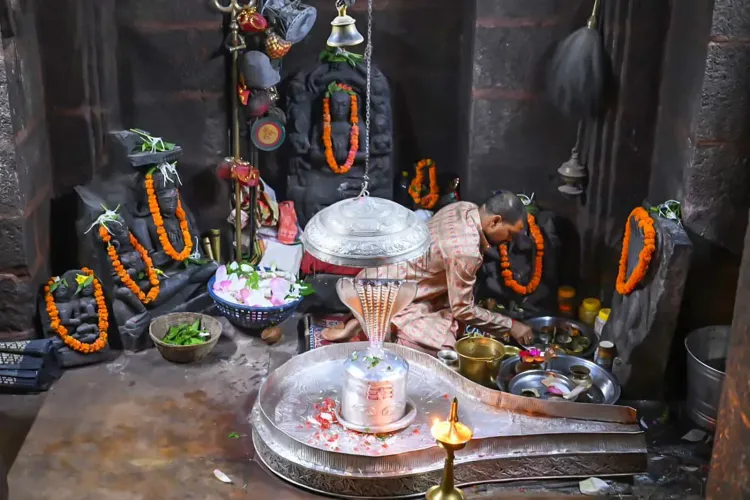
At the ancient Baba Bhormadev Temple in Kabirdham district, Chhattisgarh, a Vedic hymn opened the day — and Chief Minister Vishnu Deo Sai was there to receive it. On Tuesday, 28 July 2026, CM Sai visited the revered Shiva shrine accompanied by his wife, participating in the ongoing five-day Maha Chatur Shuddhi Sahasra Kalasham ritual and offering prayers for the welfare of Chhattisgarh's people.
A Vedic Verse and a Pilgrimage to Kabirdham
CM Sai opened his post with the Sanskrit shloka 'Karpuragauram Karunavataram' — a classical Shaivite verse invoking Lord Shiva as the embodiment of compassion and purity. He described the visit as a privilege: 'I received the good fortune of having darshan and performing puja of Bholenath with my wife on the sacred land of Kabirdham.' The Chief Minister prayed for the happiness, prosperity, and well-being of all residents of the state, closing with Om Namah Shivaya.
The Sahasra Kalasham Ritual at Bhormadev
The occasion was the five-day 'Maha Chatur Shuddhi Sahasra Kalasham' anushthan — a Vedic ritual described by CM Sai as 'a divine event for the revival of our Sanatan tradition, Vedic culture, and spiritual consciousness.' Baba Bhormadev Temple, often called the 'Khajuraho of Chhattisgarh' for its intricately carved medieval architecture, is the district's most prominent Shaivite pilgrimage site and draws devotees from across the state. CM Sai concluded with a blessing: 'May the grace of Baba Bhormadev always remain upon all the people of Chhattisgarh.'
BJP's Cultural Outreach Through Temple Visits
The visit fits a visible pattern among BJP-governed states, where chief ministers have regularly participated in temple rituals and Vedic ceremonies, framing them as affirmations of cultural continuity rather than political events. For CM Sai, who took office after the BJP's 2023 Chhattisgarh election victory, engagements at sites like Bhormadev reinforce the party's Sanatan identity plank at the grassroots level. Whether the state government follows up with announcements on temple infrastructure or cultural festival support linked to the ritual will be worth watching.
Point of View
Where tribal communities and Hindu traditions overlap in complex ways, Bhormadev's symbolism carries particular weight. The five-day ritual format also gives the BJP an extended media window at a site with deep local resonance. The real political test will come if the state follows the ceremony with concrete investments in temple infrastructure or heritage tourism.
NationPress
27 Oct 2026
Frequently Asked Questions
Where is Baba Bhormadev Temple located?
Baba Bhormadev Temple is located in Kabirdham district of Chhattisgarh, formerly known as Kawardha. It is one of the most significant ancient Shiva temples in the state and is often compared to the Khajuraho temples for its carved medieval architecture.
Why did CM Vishnu Deo Sai visit Bhormadev Temple?
CM Vishnu Deo Sai visited the temple on 28 July 2026 to participate in the five-day 'Maha Chatur Shuddhi Sahasra Kalasham' Vedic ritual and to offer prayers for the prosperity and well-being of Chhattisgarh's people.
What is the Maha Chatur Shuddhi Sahasra Kalasham ritual?
The Maha Chatur Shuddhi Sahasra Kalasham is a five-day Vedic anushthan (ritual) being held at Baba Bhormadev Temple . CM Sai described it as a divine event for the revival of Sanatan tradition, Vedic culture, and spiritual consciousness.
What is the significance of Kabirdham district in Chhattisgarh?
Kabirdham district , formerly called Kawardha, is home to several historic temples and religious sites in Chhattisgarh . The Baba Bhormadev Temple is its most prominent landmark and a major centre of Shaivite pilgrimage.
What did CM Vishnu Deo Sai pray for at the temple?
CM Sai prayed for the happiness, prosperity ( sukh, samridhi aur khushhali ), and well-being of all residents of Chhattisgarh , and invoked the blessings of Baba Bhormadev upon the state.