CM Vishnu Deo Sai Marks Navratri Day 5 With Skanda Mata Prayers
Synopsis
Chhattisgarh Chief Minister Vishnu Deo Sai marked the fifth day of Sharadiya Navratri 2026 with a Sanskrit shloka and prayers to Maa Skandamata, seeking the goddess's blessings of wisdom and prosperity for all residents of the state.
Key Takeaways
Chhattisgarh CM Vishnu Deo Sai posted a devotional message on October 15, 2026 , the fifth day of Sharadiya Navratri.
He offered reverence to Maa Skandamata , the fifth form of Adi Shakti Maa Durga, revered as the deity of wisdom and discernment.
The post opened with a traditional Sanskrit shloka praising Skandamata as the lotus-holding, lion-enthroned bestower of auspiciousness.
CM Sai prayed specifically for the 'happiness, prosperity, and progress' of all Chhattisgarh residents.
The post was tagged #CGNavratri2026 and the culturally resonant Chhattisgarhi hashtags #महतारी_का_सम्मान and #महतारी_के_मान .
On the fifth day of Sharadiya Navratri 2026, Chhattisgarh Chief Minister Vishnu Deo Sai offered his reverence to Maa Skandamata — the fifth form of Adi Shakti Maa Durga — with a devotional post on Thursday, October 15, invoking the goddess's blessings for every resident of the state.
Sharing a Sanskrit shloka — 'Sinhasanagata nityam padmashritakaradwaya, Shubhdaastu sada devi Skandamata yashasvini' (May the ever-glorious Skandamata, forever enthroned and lotus-holding, always bestow auspiciousness) — CM Sai offered his 'sadar pranam' at the feet of the goddess whom Hindu tradition reveres as the deity of wisdom and discernment.
A Prayer for Chhattisgarh's Prosperity
In his message, CM Sai prayed that Maa Skandamata, as the presiding deity of knowledge and wisdom, 'illuminate the path of happiness, prosperity, and progress for all the people of the state.' The post closed with a resounding 'Jai Maa Skandamata!' — a salutation widely echoed across the state during the festival.
The post was tagged under #CGNavratri2026, as well as the hashtags #महतारी_का_सम्मान and #महतारी_के_मान — both rooted in the Chhattisgarhi word 'mahtari' (mother), reflecting the state's cultural idiom for honouring maternal and feminine power.
Skandamata's Place in the Navratri Cycle
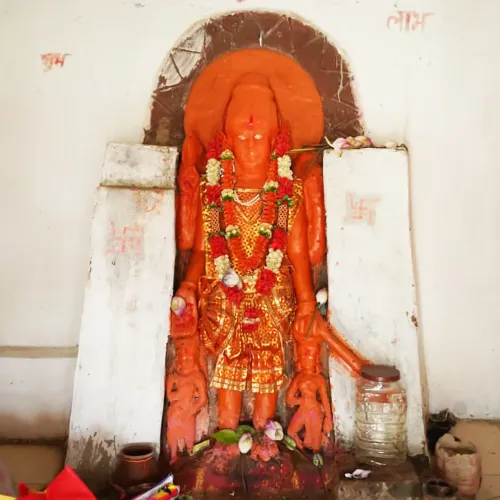
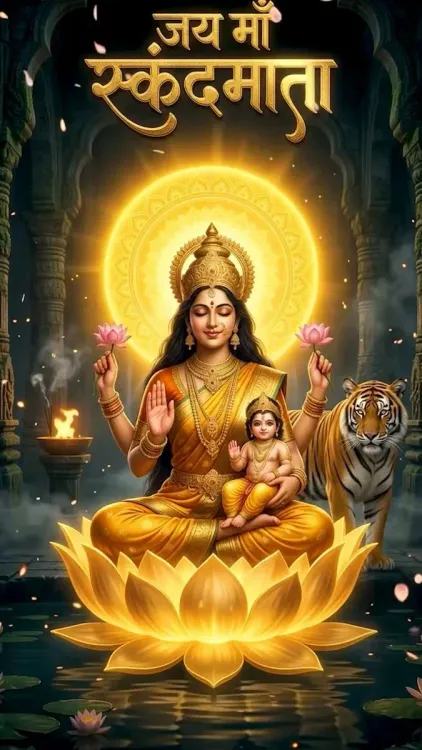
Navratri devotees worship a distinct form of the goddess on each of the nine nights. Skandamata, the fifth form, is traditionally associated with motherhood, nurturing energy, and the light of wisdom — she is depicted seated on a lion, cradling the infant Skanda (the war god Kartikeya) in her arms. The fifth day is regarded by many devotees as a particularly spiritually charged moment in the festival arc.
Indian state leaders routinely mark each day of Navratri with devotional messages — a practice that blends public piety with an acknowledgement of the festival's deep cultural resonance for constituents. For a state like Chhattisgarh, where tribal and folk traditions weave into mainstream Hindu observance, such gestures carry genuine community significance.
Point of View
Mahtari Vandan Yojana — signals an effort to weave cultural identity with political branding. Such consistent devotional outreach on each day of Navratri reinforces a leader's accessibility to a predominantly rural, devout constituency. The broader trend reflects how social media has become the primary medium for elected officials to demonstrate cultural participation in real time.
NationPress
15 Oct 2026
Frequently Asked Questions
Who is Maa Skandamata and why is she worshipped on Navratri Day 5?
Maa Skandamata is the fifth form of Goddess Durga, venerated on the fifth day of Navratri. She is depicted as a mother cradling infant Skanda (Kartikeya) and is associated with wisdom, nurturing energy, and spiritual light.
What did Chhattisgarh CM Vishnu Deo Sai post for Navratri Day 5?
CM Vishnu Deo Sai shared a Sanskrit shloka in praise of Maa Skandamata and prayed for the happiness, prosperity, and progress of all Chhattisgarh residents on the fifth day of Sharadiya Navratri 2026.
What does 'mahtari' mean in the Chhattisgarh Navratri hashtags?
'Mahtari' is a Chhattisgarhi word meaning 'mother.' The hashtags #महतारी_का_सम्मान and #महतारी_के_मान translate roughly to 'respect for the mother' and 'honour of the mother,' reflecting the state's cultural reverence for feminine power.
What is the Sanskrit shloka CM Sai shared for Skandamata?
The shloka — 'Sinhasanagata nityam padmashritakaradwaya, Shubhdaastu sada devi Skandamata yashasvini' — means: 'May Skandamata, forever enthroned, holding lotuses in both hands, the glorious one, always bestow auspiciousness.'
How do Chhattisgarh leaders typically observe Navratri publicly?
Chhattisgarh's Chief Minister and other state leaders typically post daily devotional messages during Navratri, each marking the specific goddess form of that day, as part of routine public observance of the nine-day festival.