Karnataka Cabinet may weigh mercy pleas in 2003 Ring Road Shubha murder case
Synopsis
More than two decades after the murder of a 27-year-old Intel engineer just days after his engagement, the Karnataka Cabinet is set to weigh in on mercy petitions from all four convicted killers — a decision that could define the final chapter of one of Bengaluru's most sensational criminal cases, which even inspired a Kannada film.
Key Takeaways
The Karnataka State Cabinet is likely to consider mercy petitions of Shubha Shankarnarayan and three co-convicts at a meeting on Thursday, 16 October 2026 .
The petitions were filed after the Supreme Court upheld their life sentences for the 2003 murder of software engineer B.V.
Girish in Bengaluru .
The Governor's office forwarded the petitions to the Home Department , seeking the state government's formal opinion on clemency.
All four convicts — Shubha Shankarnarayan , Arun Varma , Venkatesh , and Dinesh — were convicted under Sections 302 and 120-B of the Indian Penal Code.
The Supreme Court granted the convicts an eight-week window to file mercy petitions before enforcement of arrest.
The case inspired the Kannada film Ring Road Shubha , released in 2014 and made by an all-women crew.
The Karnataka State Cabinet is likely to deliberate on the mercy petitions filed by Shubha Shankarnarayan and her three co-convicts in the 2003 Ring Road Shubha murder case of Bengaluru, in a meeting scheduled for Thursday, 16 October 2026. The petitions, forwarded by the Governor's office to the state Home Department for its opinion, could determine the next step in a clemency process set in motion after the Supreme Court upheld the convicts' life sentences.
Background: A Premeditated Murder in 2003
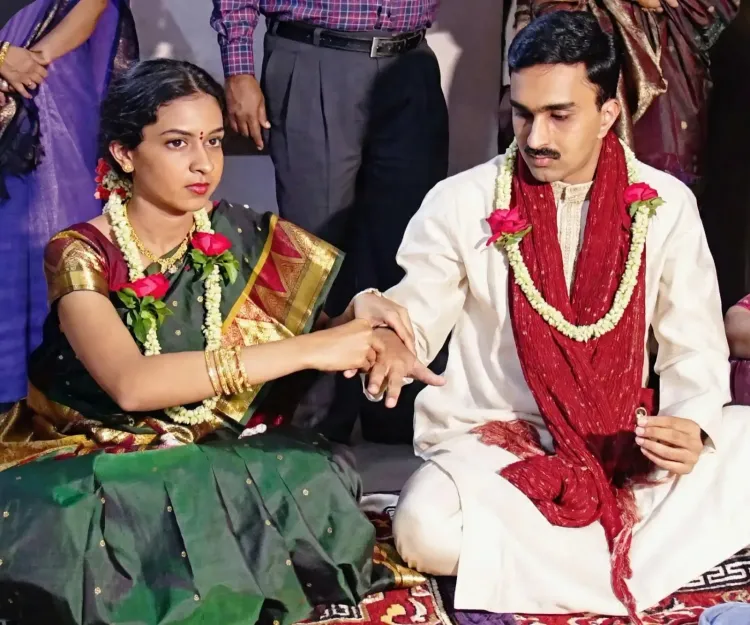
The case traces back to 3 December 2003, when B.V. Girish, a 27-year-old software engineer employed with Intel, was killed just four days after his engagement to Shubha. According to the prosecution, Shubha lured Girish to the Outer Ring Road area in Bengaluru on the pretext of watching an aircraft land. Associates allegedly attacked him with a metal rod, inflicting severe injuries from which he later died in hospital.
Investigators established that Shubha was reportedly opposed to the family-arranged engagement and had allegedly conspired with Arun Varma — with whom she was said to be in a relationship — and two others, Venkatesh and Dinesh, to kill Girish.
Convictions and Legal Journey
Shubha Shankarnarayan, Arun Varma, Venkatesh, and Dinesh were convicted of murder and criminal conspiracy under Sections 302 and 120-B of the Indian Penal Code and sentenced to life imprisonment. The Karnataka High Court upheld the convictions and sentences, a decision subsequently affirmed by the Supreme Court.
While upholding the sentences, the Supreme Court acknowledged the social and family pressures associated with forced marriage and granted the convicts an eight-week window to submit mercy petitions to the Karnataka Governor before enforcement of arrest. The convicts exercised that option, approaching the Governor seeking clemency.
Where the Process Stands Now
The Governor's office has routed the petitions to the state government — specifically the Home Department — seeking its formal views on the clemency requests. The Cabinet meeting on Thursday may consider the petitions and decide whether to recommend granting or rejecting them before submitting a report to the Governor. The state government's recommendation is widely regarded as a pivotal input in the final decision on clemency.
Cultural Footprint of the Case
The Ring Road Shubha case drew widespread public attention at the time and later inspired the Kannada film Ring Road Shubha, released in 2014 and notably made by an all-women crew. The case remains one of the most discussed criminal proceedings in Karnataka's recent legal history, illustrating the complexities of personal relationships, family pressure, and premeditated violence.
How the Cabinet frames its recommendation to the Governor is expected to shape the final resolution of a legal saga that has spanned more than two decades.
Point of View
And cabinet recommendations to governors carry enormous weight without a codified framework for consistency. The Supreme Court's rare acknowledgement of 'social and family pressures' around forced marriage while still upholding life sentences signals the judiciary's discomfort with a binary outcome — yet that ambiguity is now passed to the executive. How the Karnataka Cabinet frames its recommendation will matter not just for these four convicts, but as a signal on how the state treats cases where personal coercion intersects with violent crime.
NationPress
15 Oct 2026
Frequently Asked Questions
What is the Ring Road Shubha murder case?
The Ring Road Shubha case refers to the murder of B.V. Girish , a 27-year-old software engineer, on 3 December 2003 in Bengaluru, just four days after his engagement. His fiancée Shubha Shankarnarayan and three associates — Arun Varma, Venkatesh, and Dinesh — were convicted of murder and criminal conspiracy and sentenced to life imprisonment.
Why is the Karnataka Cabinet discussing this case now?
The Cabinet is deliberating because the four convicts filed mercy petitions with the Karnataka Governor after the Supreme Court upheld their life sentences. The Governor's office forwarded the petitions to the state Home Department for its opinion, and the Cabinet meeting scheduled for Thursday may formalise the government's recommendation.
What did the Supreme Court say while upholding the life sentences?
The Supreme Court affirmed the life sentences of all four convicts but acknowledged the social and family pressures associated with forced marriage. It also granted the convicts an eight-week window to submit mercy petitions to the Karnataka Governor before enforcement of their arrest.
What happens after the Karnataka Cabinet gives its recommendation?
Once the Cabinet submits its report, the Governor will factor in the state government's opinion before deciding on the mercy petitions. The government's recommendation is considered a key input in the clemency process, though the final decision rests with the Governor.
Is there a Kannada film based on this case?
Yes. The case inspired the Kannada film Ring Road Shubha , released in 2014 . The film was notably made by an all-women crew and drew significant attention to the 2003 murder case.