CM Sai Backs NEP-2020 for Quality, Skill-Based Education
Synopsis
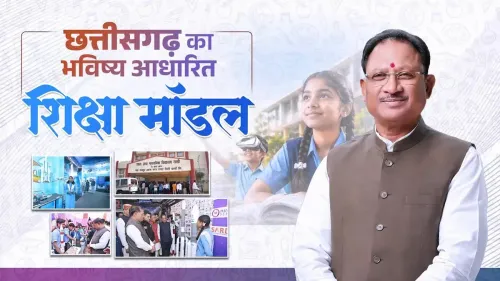
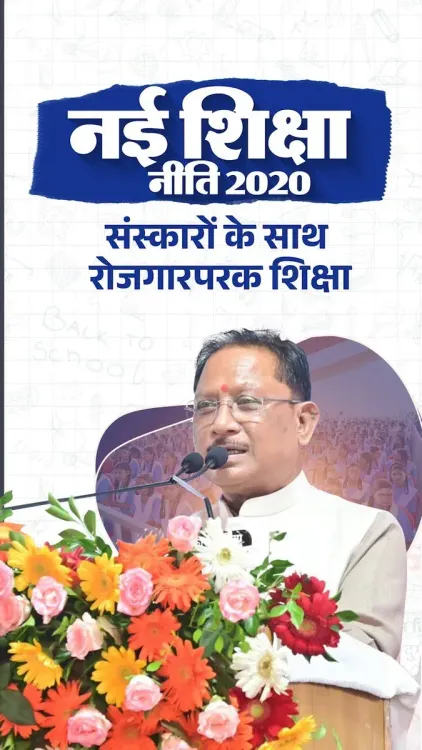
Chhattisgarh Chief Minister Vishnu Deo Sai on 20 July 2026 backed the National Education Policy 2020, saying his government is working to expand quality, employment-oriented, and value-based education in the state in line with the central framework championed by PM Narendra Modi.
Key Takeaways
CM Vishnu Deo Sai publicly reaffirmed Chhattisgarh's commitment to implementing NEP-2020 on 20 July 2026 .
He described NEP-2020 as linking education with knowledge, values, and skills under PM Narendra Modi's leadership.
The National Education Policy 2020 was approved by the Union Cabinet on 29 July 2020 , replacing the 1986 policy.
Chhattisgarh formed a state NEP implementation committee in 2021 and has been revising its curriculum since.
The government's stated focus is on quality, employment-oriented, and value-based education across the state.
Budget allocations for 2026-27 and legislative action in the state assembly are key indicators to watch.
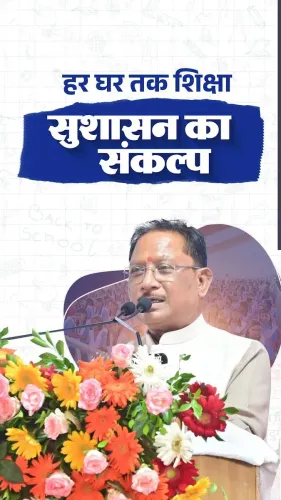
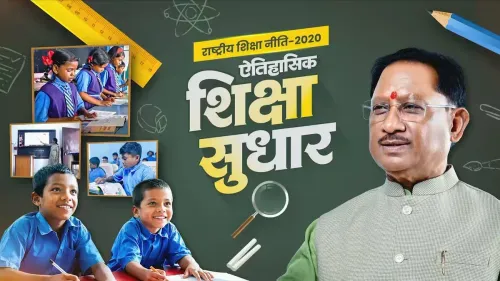
Chhattisgarh Chief Minister Vishnu Deo Sai on Monday, 20 July 2026 reaffirmed his government's commitment to implementing the National Education Policy 2020 (NEP-2020), calling it a vital initiative that links education with knowledge, values, and skills under the leadership of Prime Minister Narendra Modi.
Posting on X, CM Sai wrote in Hindi: 'यशस्वी प्रधानमंत्री श्री नरेंद्र मोदी जी के नेतृत्व में लागू नई शिक्षा नीति-2020 शिक्षा को ज्ञान, संस्कार और कौशल से जोड़ने की महत्वपूर्ण पहल है।' ['The New Education Policy-2020 implemented under the leadership of the distinguished Prime Minister Shri Narendra Modi is an important initiative that connects education with knowledge, values, and skills.'] He added that his government is 'continuously working' to expand quality, employment-oriented, and value-based education across the state.
Context
The National Education Policy 2020 was approved by the Union Cabinet on 29 July 2020, replacing the previous National Policy on Education of 1986. It is India's most comprehensive education reform in over three decades, emphasising multidisciplinary learning, vocational training, and the integration of Indian cultural values into the curriculum. Prime Minister Narendra Modi has been the policy's chief advocate at the national level.
Chhattisgarh, a central Indian state governed by the BJP since December 2023 under CM Sai, constituted a state implementation committee for NEP-2020 in 2021 and initiated curriculum revision exercises to align with the policy's goals. Monday's post signals continued political momentum behind that alignment heading into the 2026-27 academic year.
Policy Backdrop
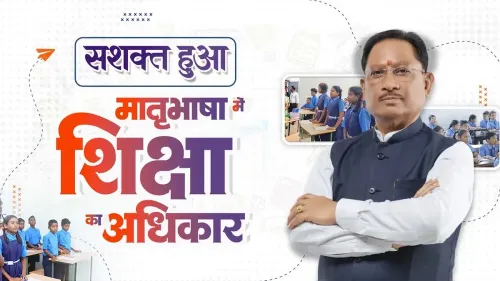
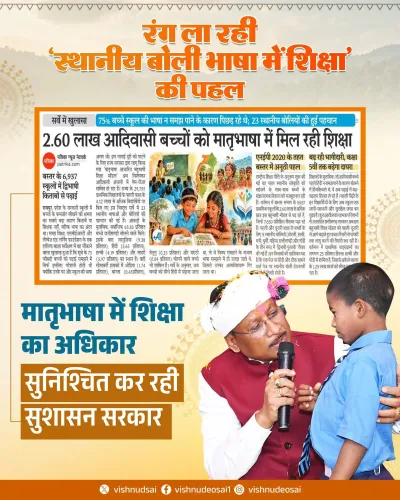
NEP-2020 introduces structural changes across school and higher education, including a shift to a 5+3+3+4 curricular framework, emphasis on mother-tongue instruction in early years, and mandatory vocational exposure from middle school. The policy explicitly aims to raise the Gross Enrolment Ratio in higher education to 50 per cent by 2035.
CM Sai's framing — 'gyan, sanskar aur kaushal' (knowledge, values, and skills) — mirrors the three-pronged language used in the central policy document itself, reflecting a deliberate alignment of state messaging with the national framework. This pattern has been consistent across BJP-governed states since the policy's rollout.
Stakeholders and Impact
The primary beneficiaries of NEP-aligned reforms in Chhattisgarh are students at the school and higher-education levels, teachers undergoing retraining, and youth seeking vocational pathways into employment. The state has a significant tribal and rural population, making employment-oriented education a particularly pressing concern for local communities.
Teachers and educational administrators face the practical challenge of curriculum revision, infrastructure upgradation, and professional development — all prerequisites for meaningful NEP implementation. The Chief Minister's public commitment adds political weight to these ongoing administrative processes.
What's Next
Observers will watch the Chhattisgarh state budget allocations for the 2026-27 academic year for concrete spending commitments on NEP-aligned programmes, including new vocational courses and teacher training initiatives. Any legislative action on NEP-aligned bills in the Chhattisgarh Legislative Assembly will be a further indicator of the pace of implementation. CM Sai's statement sets an expectation of tangible policy announcements in the months ahead.
Point of View
Reinforcing the party's national narrative on education reform. The emphasis on 'gyan, sanskar aur kaushal' is not incidental — it mirrors the cultural-values language embedded in the policy document, signalling ideological as well as administrative alignment. For Chhattisgarh, a state with large rural and tribal constituencies, the pivot to employment-oriented education carries electoral as well as developmental weight. The real test will come when state budget figures and legislative actions translate this rhetorical commitment into measurable outcomes.
NationPress
20 Oct 2026
Frequently Asked Questions
What is the National Education Policy 2020 and why is it significant?
The National Education Policy 2020 is India's comprehensive education reform framework approved by the Union Cabinet on 29 July 2020, replacing the 1986 policy. It emphasises multidisciplinary learning, vocational skills, mother-tongue instruction in early years, and Indian cultural values, aiming to raise the Gross Enrolment Ratio in higher education to 50 per cent by 2035.
What did Chhattisgarh CM Vishnu Deo Sai say about NEP-2020?
CM Vishnu Deo Sai said on 20 July 2026 that NEP-2020, implemented under PM Narendra Modi's leadership, is an important initiative linking education with knowledge, values, and skills, and that his government is continuously working to expand quality, employment-oriented, and value-based education in Chhattisgarh.
How is Chhattisgarh implementing NEP-2020?
Chhattisgarh constituted a state implementation committee for NEP-2020 in 2021 and began curriculum revision exercises. The state government has stated its focus on quality, employment-oriented, and value-based education aligned with the central policy framework.
Who is Vishnu Deo Sai?
Vishnu Deo Sai is the Chief Minister of Chhattisgarh and a senior BJP leader who assumed office in December 2023. He is responsible for state-level policy decisions including education reforms.
What should we watch for next on NEP-2020 in Chhattisgarh?
Key developments to watch include state budget allocations for the 2026-27 academic year that fund NEP-aligned vocational courses and teacher training, as well as any NEP-related legislative action in the Chhattisgarh Assembly.