CM Sai Puts Chhattisgarh on the Global Tourism Map
Synopsis
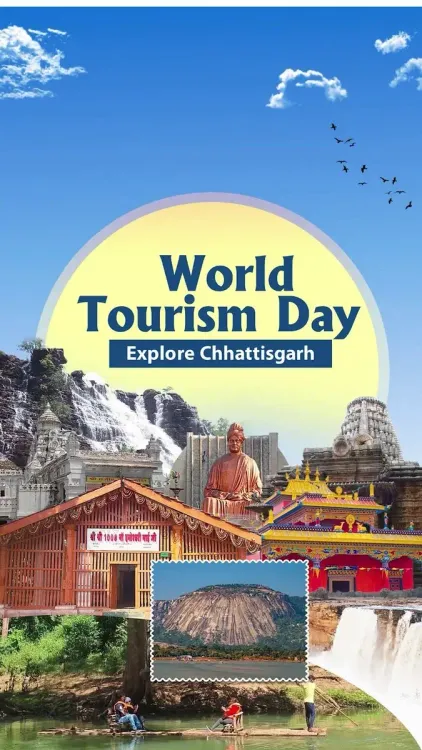
On World Tourism Day 2026, Chhattisgarh's CMO declared the state an emerging global destination, linking CM Vishnu Deo Sai's leadership to new opportunities in local entrepreneurship, employment and economic growth through nature, culture and heritage tourism.
Key Takeaways
The Chief Minister's Office of Chhattisgarh marked World Tourism Day, 27 September 2026 , by branding the state a 'vibrant destination on the global tourism map.' Chief Minister Vishnu Deo Sai , in office since December 2023 , is positioning tourism as a pillar of the broader Viksit Chhattisgarh development agenda.
The state's pitch centres on its triple asset base: natural landscapes, living tribal culture, and deep historical heritage sites.
Tourism is framed explicitly as an engine for local entrepreneurship and employment , targeting guides, artisans, and small hospitality operators.
Concrete budget allocations and visitor-number data will be the benchmark for whether the branding translates into on-ground economic impact.
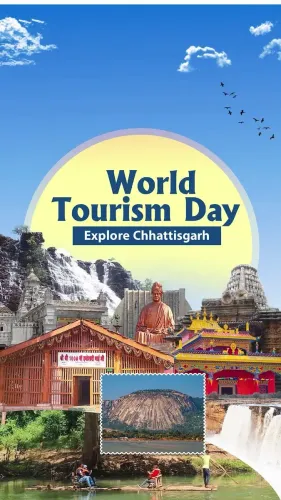
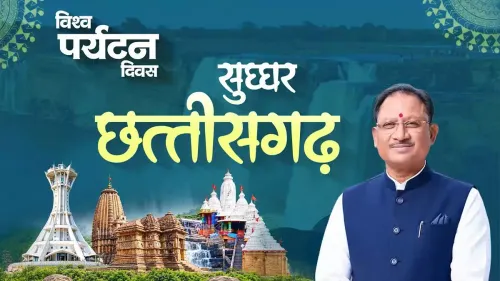
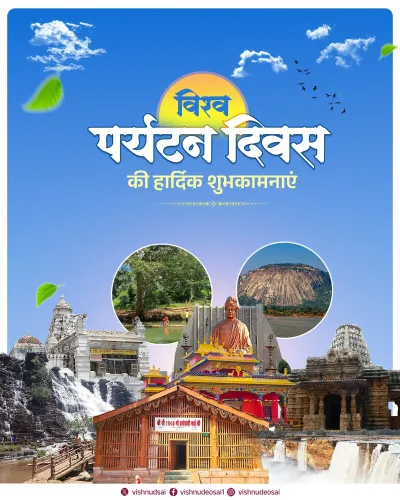
On World Tourism Day, 27 September 2026, the state of Chhattisgarh stepped into the spotlight — not as a footnote in India's travel story, but as a destination staking its own claim. The Chief Minister's Office of Chhattisgarh declared the state an emerging 'vibrant destination on the global tourism map,' framing its forests, festivals and tribal heritage as engines of jobs and economic growth under Chief Minister Vishnu Deo Sai.
From Bastar's Forests to a Global Brand
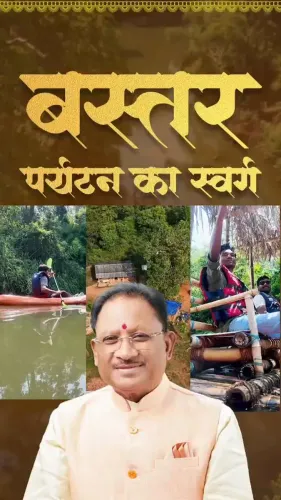
Chhattisgarh carries one of India's richest — and least-exported — cultural inventories. Its tribal heartland, ancient temple circuits, and dense eco-tourism corridors in regions such as Bastar and Surguja have long attracted niche travellers. The state's pitch on World Tourism Day is a deliberate signal: Chhattisgarh is done being a hidden gem and is ready to compete for mainstream domestic and international visitors.
Tourism as a Jobs Engine Under CM Sai
Chief Minister Vishnu Deo Sai, who has led the state since December 2023, has placed tourism inside the broader Viksit Chhattisgarh development frame — positioning visitor-economy spending as a direct pathway to local entrepreneurship and rural employment. The CMO's messaging explicitly ties tourist footfall to new avenues for guides, artisans, homestay operators and small hospitality businesses across the state's diverse geography.
The logic is straightforward: every traveller who sleeps in a local homestay, buys tribal craft or hires a forest guide keeps income in the village. That chain of benefit is precisely what the state's tourism narrative is being built around — culture and nature as economic infrastructure, not just scenery.
India's State Tourism Race and What Chhattisgarh Must Deliver Next
Indian states have turned World Tourism Day into an annual branding moment, and Chhattisgarh's 2026 campaign fits a nationwide pattern of sub-national tourism competition. The real test, however, lies beyond hashtags: budget allocations for road and hospitality infrastructure, new destination development projects, and the hard data on visitor numbers and revenue that back any 'global map' claim. Those numbers — from the coming state budget cycle and annual tourism surveys — will determine whether this moment is a turning point or a talking point.
What is already clear is that Chhattisgarh is assembling the right narrative ingredients — nature, culture, heritage, and a human face of local livelihoods. The story has a compelling first chapter. The chapters that follow depend on the ground-level infrastructure to match the ambition.
Point of View
CM Sai's administration is attempting to convert cultural assets — which the state possesses in abundance — into a measurable economic development argument ahead of future budget cycles. The challenge is credibility: aspirational branding must be validated by infrastructure investment and verifiable visitor-economy data. If the state can demonstrate a clear pipeline of destination development projects and employment numbers, this narrative graduates from political messaging to genuine policy positioning.
NationPress
27 Sept 2026
Frequently Asked Questions
Why is Chhattisgarh promoting tourism on World Tourism Day 2026?
The state government used World Tourism Day on 27 September 2026 to position Chhattisgarh as an emerging global destination, highlighting its natural landscapes, tribal culture and heritage as drivers of local jobs and entrepreneurship under CM Vishnu Deo Sai.
What are Chhattisgarh's main tourism attractions?
Chhattisgarh is known for its dense forests, tribal heritage particularly in the Bastar region, ancient temple circuits and eco-tourism corridors in areas like Surguja — assets the state is actively promoting to domestic and international travellers.
Who is Vishnu Deo Sai and what is his role in Chhattisgarh tourism?
Vishnu Deo Sai has served as Chief Minister of Chhattisgarh since December 2023 . His administration has placed tourism inside the Viksit Chhattisgarh development framework, linking visitor-economy growth to local employment and entrepreneurship.
What is Viksit Chhattisgarh?
'Viksit Chhattisgarh' — meaning 'Developed Chhattisgarh' — is the overarching development vision of the current state government, under which sectors including tourism are being promoted as pathways to economic growth and employment.
How does Chhattisgarh's tourism push compare to other Indian states?
Using World Tourism Day for destination branding is a common strategy among Indian states. Chhattisgarh's focus on tribal culture and eco-tourism differentiates it somewhat, though the real test remains infrastructure investment and verifiable growth in tourist arrivals and local revenue.