CM Sai Pays Tribute to Jhiram Valley Attack Martyrs
Synopsis
Chhattisgarh Chief Minister Vishnu Deo Sai paid tribute on 25 May to the martyrs of the 2013 Jhiram Valley Naxal ambush, which killed 27 people including senior Congress leader Mahendra Karma in Dantewada district, marking a defining moment in the state's decades-long battle against Left Wing Extremism.
Key Takeaways
CM Vishnu Deo Sai posted a tribute on X on 25 May to the martyrs of the Jhiram Valley Naxal attack .
The original ambush occurred on 25 May 2013 in Dantewada district, Chhattisgarh , killing 27 people .
Among those killed was Mahendra Karma , Congress leader and founder of the Salwa Judum anti-Naxal movement.
The attack prompted the Union government to strengthen its National Policy and Action Plan to Address Left Wing Extremism from 2014 onwards.
Annual commemorations of the attack have become a recurring feature of Chhattisgarh political discourse across party lines.
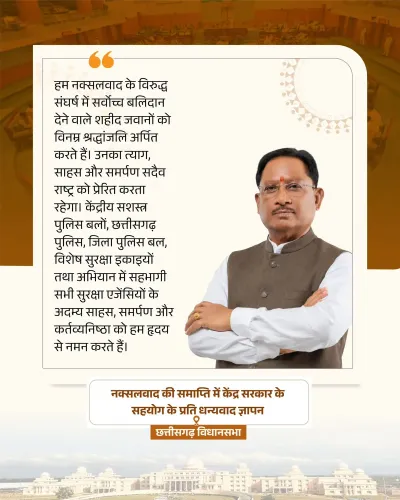
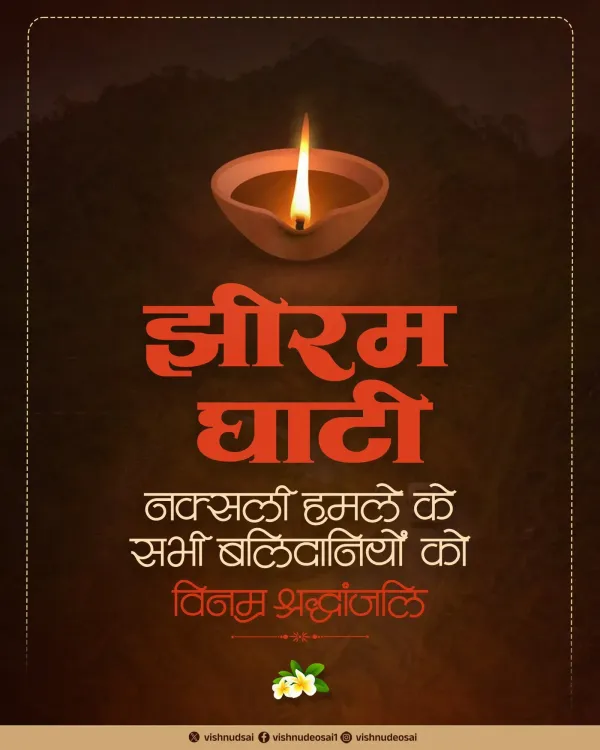
Chhattisgarh Chief Minister Vishnu Deo Sai on Monday, 25 May paid homage to those killed in the Jhiram Valley Naxal attack, marking the anniversary of one of the deadliest political massacres in the state's history. In a post on X, he offered a humble tribute to all those who lost their lives in the ambush.
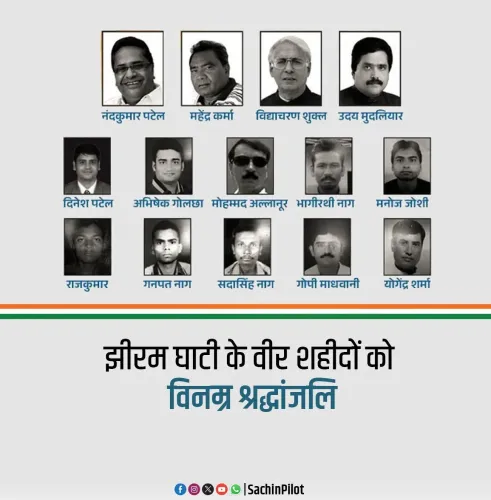
In Hindi, the Chief Minister wrote: 'Jhiram Ghati naksali hamle ke sabhi balidaniyon ko vinamra shraddhanjali' ['Humble tribute to all the martyrs of the Jhiram Valley Naxal attack']. The message was accompanied by an image, underscoring the solemn nature of the commemoration.
Context
On 25 May 2013, Naxalites carried out a deadly ambush in the Jhiram Valley in Chhattisgarh's Dantewada district, killing 27 people including senior political leaders and security personnel. Among those killed was Mahendra Karma, the Congress leader widely known as the founder of the Salwa Judum anti-Naxal movement. The attack remains one of the most significant acts of Left Wing Extremist violence in independent India's political history.
The convoy, which was carrying senior Congress leaders returning from a party event, was targeted in a coordinated assault. The scale of the attack triggered national outrage and brought renewed scrutiny to the security situation in Bastar and the broader Red Corridor.
Policy Backdrop
The 2013 attack accelerated central and state coordination on counter-insurgency, eventually leading to the formulation of a National Policy and Action Plan to Address Left Wing Extremism from 2014 onwards. The policy combined enhanced security operations with infrastructure development and welfare outreach in tribal districts.
Chhattisgarh, which returned to Bharatiya Janata Party rule in December 2023, has since prioritised both security operations and development schemes in Naxal-affected districts of the Bastar region. Annual tributes to the victims of the Jhiram Valley attack have become a fixed feature of the state's political calendar across party lines.
Stakeholders and Impact
The victims of the 2013 ambush included elected representatives, party workers, and security personnel — a cross-section that highlighted the broad human cost of Naxal violence in Chhattisgarh. Families of the deceased, security forces operating in the Bastar belt, and tribal communities caught in the conflict zone remain the primary stakeholders in the state's long-running counter-insurgency effort.
For the ruling BJP government, the commemoration also carries political weight, as the party has consistently positioned itself as committed to restoring peace and development in the state's insurgency-affected south.
What's Next
Observers will watch for any fresh government announcements around the anniversary, particularly on development packages, infrastructure projects, or surrender-and-rehabilitation schemes aimed at Naxal-affected districts. The Jhiram Valley anniversary has historically served as a moment for governments to restate their commitment to eliminating Left Wing Extremism while honouring those who perished.
Point of View
Brief as it is, carries layered significance: it positions the BJP-led state government as the custodian of memory for victims of a violence that struck the then-ruling Congress hardest. The annual commemoration has evolved beyond grief into a political ritual that all Chhattisgarh governments use to signal their resolve on internal security. Against the backdrop of intensified anti-Naxal operations in Bastar in recent years, the tribute also implicitly frames the ruling dispensation's security agenda as a continuation of a long unfinished mission. The durability of this commemoration reflects how deeply the 2013 attack scarred the state's political consciousness.
NationPress
19 Sept 2026
Frequently Asked Questions
What was the Jhiram Valley Naxal attack?
The Jhiram Valley Naxal attack was a deadly ambush on 25 May 2013 in Dantewada district, Chhattisgarh , in which Naxalites killed 27 people including senior Congress leaders and security personnel. It remains one of the worst acts of Left Wing Extremist violence in India's political history.
Who was Mahendra Karma?
Mahendra Karma was a Congress leader from Chhattisgarh and the founder of the Salwa Judum , a controversial anti-Naxal civilian militia movement. He was among those killed in the 2013 Jhiram Valley ambush .
Why did CM Vishnu Deo Sai pay tribute to Jhiram Valley victims?
25 May marks the anniversary of the 2013 Jhiram Valley Naxal attack . Chief Minister Vishnu Deo Sai posted a tribute on X to honour the memory of the 27 martyrs killed in the ambush, continuing a tradition of annual commemoration observed by Chhattisgarh governments.
What action did the government take after the 2013 Jhiram Valley attack?
Following the 2013 attack , the Union government strengthened central-state security coordination and from 2014 implemented a National Policy and Action Plan to Address Left Wing Extremism , combining enhanced security operations with development and welfare measures in affected tribal districts.
Is Naxal violence still a problem in Chhattisgarh?
Chhattisgarh's southern Bastar region remains a core area of Left Wing Extremism activity, though successive state and central governments have reported a reduction in Naxal influence through combined security operations and infrastructure development programmes in tribal districts.